
Last updated November 4, 2026
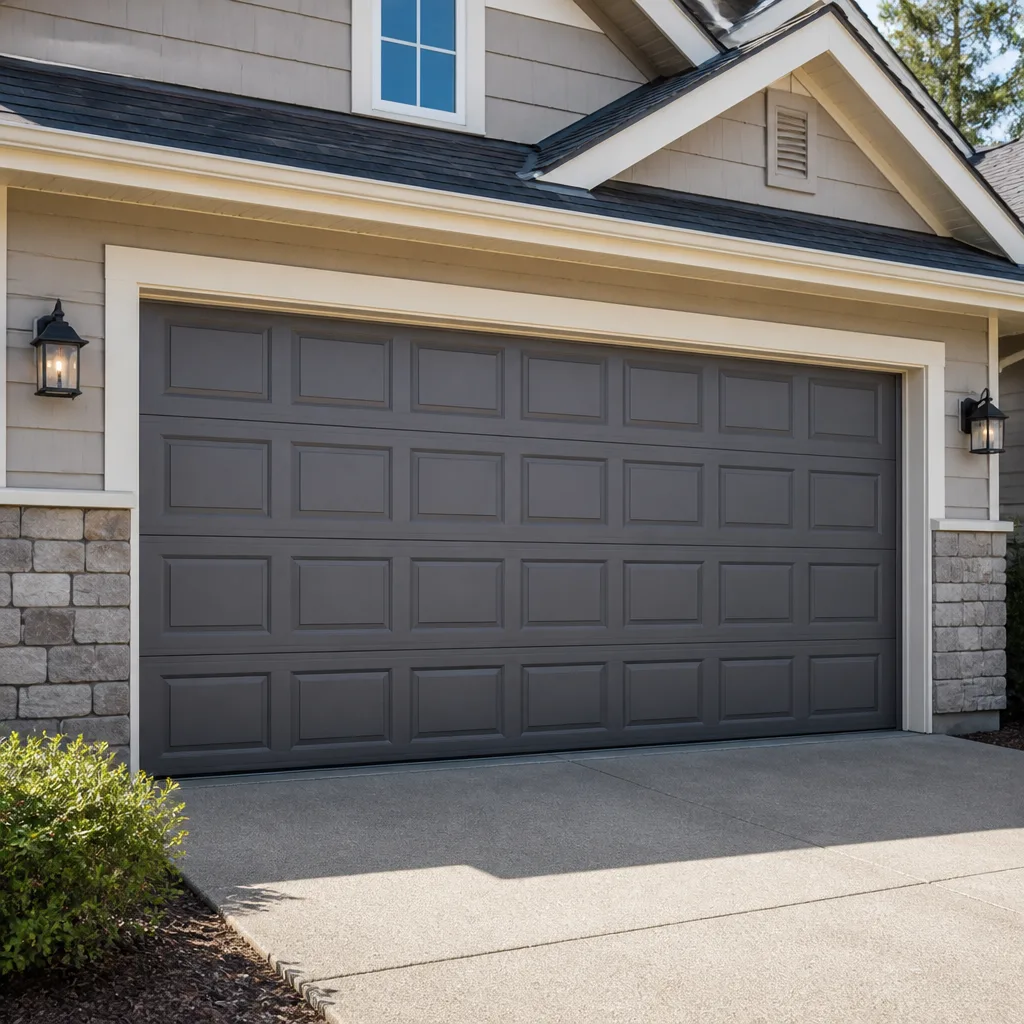 Raised-panel steel
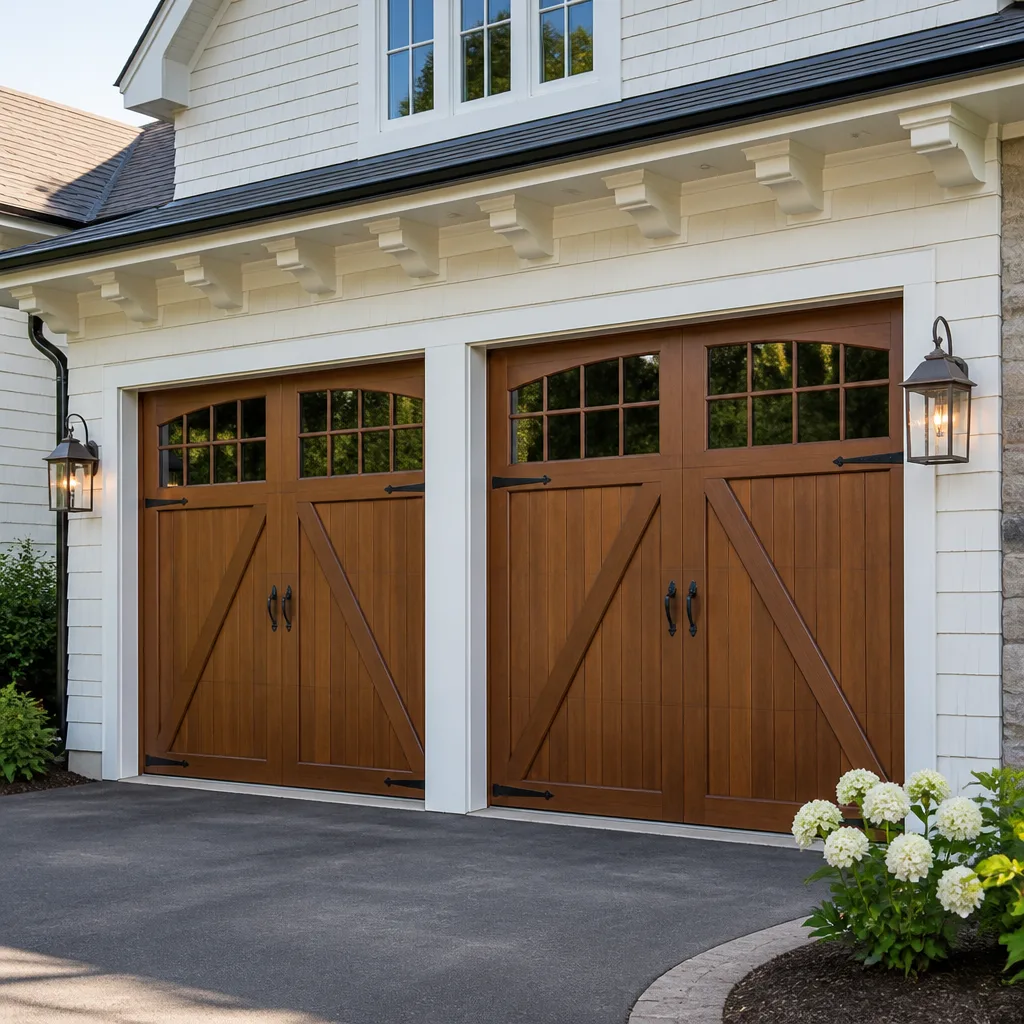 Carriage house
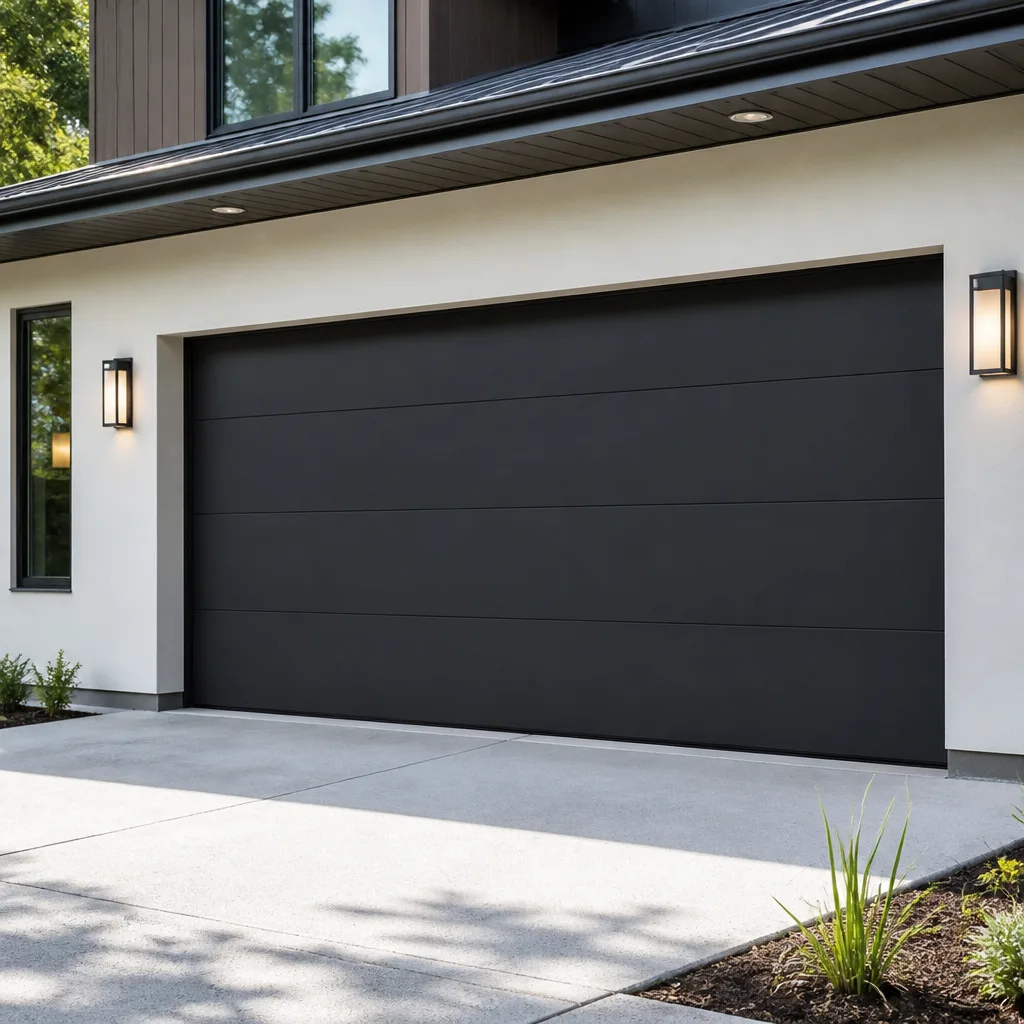 Modern flush
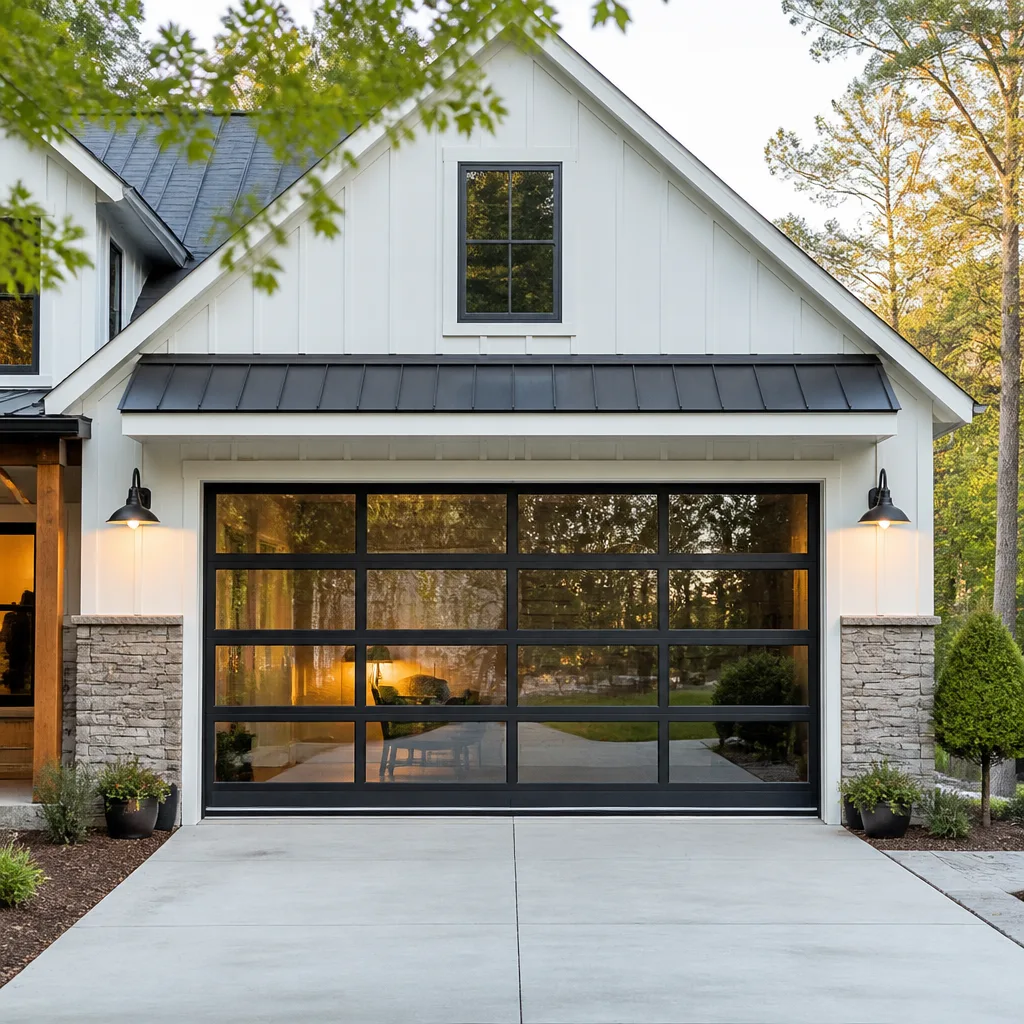 Full-view glass
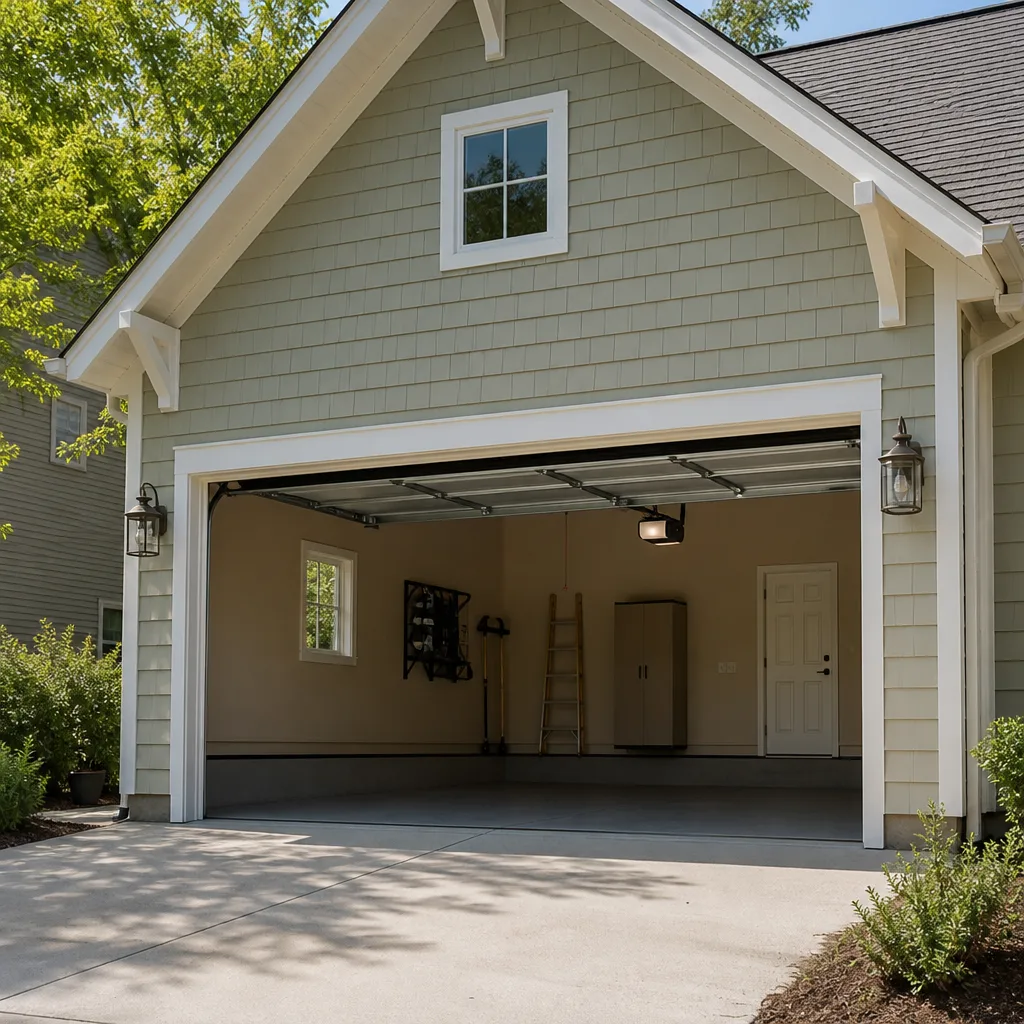 LiftMaster openers
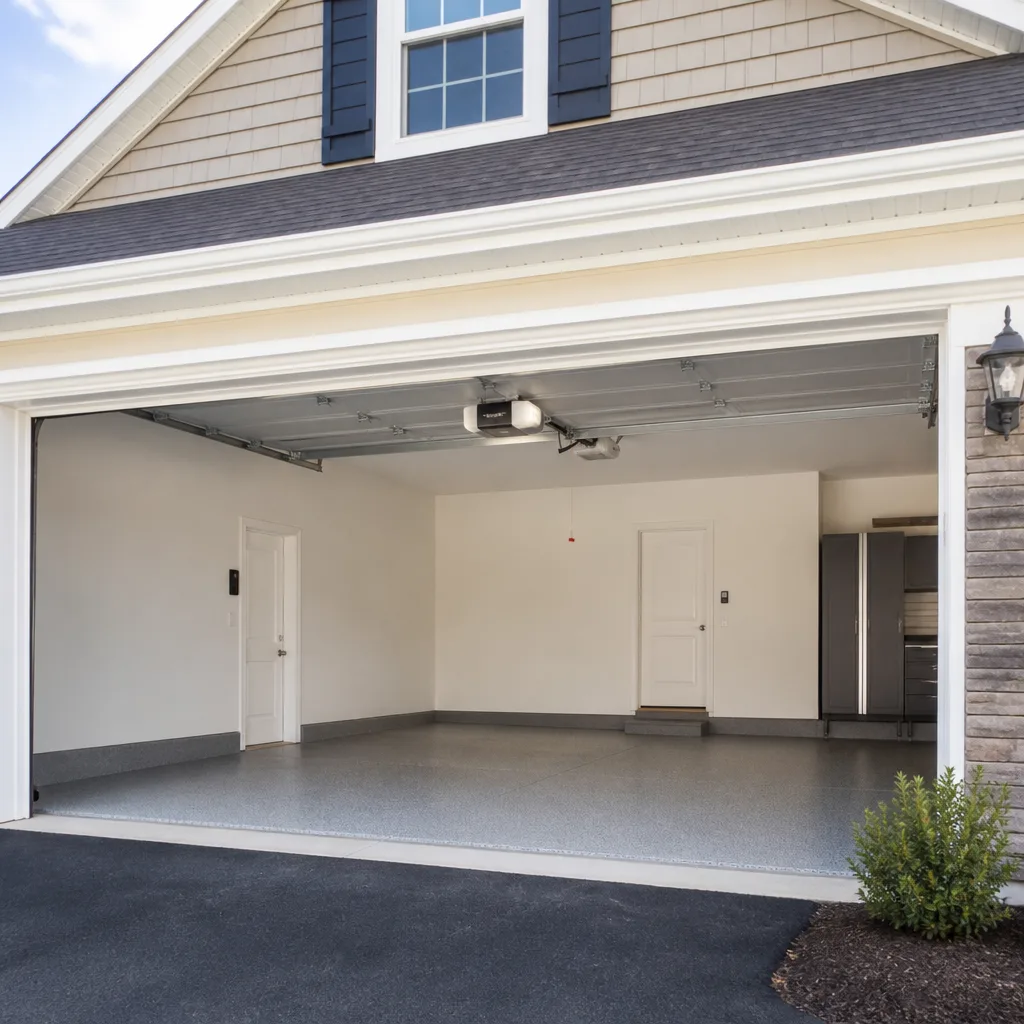 Chamberlain openers
Full 25-point door and opener safety check with every visit - springs, cables, rollers, tracks, and your LiftMaster or Chamberlain opener included
You get a price before we start. It does not change when the truck arrives.
Get your free estimateSeasonal Garage Door Care for Evergreen: Year-Round Homeowner’s Guide
Garage door failures feel sudden, but they almost never are. They’re the accumulated result of a missed late-summer seal check, a skipped fall lubrication, or an ignored winter cable inspection. The timing of those misses is predictable in Evergreen. This guide maps specific maintenance tasks to the actual stress windows our local climate creates, so you can catch small problems before they become a door that will not open on a Monday morning. If you own a home here, you’ll learn what to check each season, why it matters for your specific door and opener, and when a trained eye beats a can of spray lubricant.
Quick Answer
Seasonal garage door care in Evergreen means checking track alignment and lubricating moving parts in spring, monitoring heat-related photo-eye drift and opener motor airflow in summer, replacing worn weatherstripping in fall, and inspecting cables and springs for cold-weather tension stress in winter. Ten minutes of targeted attention each season prevents most mid-life repairs and extends the working life of your door and opener system.
Styles & brands we work with
- Raised-panel steel
- Carriage house
- Modern flush
- Full-view glass
- LiftMaster openers
- Chamberlain openers
Table of Contents
- Spring (March – May): Realignment and the Thermal Expansion Window
- Summer (June – August): Heat, Photo-Eyes, and Opener Motors
- Fall (September – November): The Weatherstripping and Seal Window
- Winter (December – February): Cable Inspection Before the Cold-Stress Peak
- The Evergreen Seasonal Maintenance Log
- Common Mistakes to Avoid
- When to Call a Professional
- Frequently Asked Questions
Spring (March – May): Realignment and the Thermal Expansion Window
Evergreen springs are mild, but they bring exactly the kind of temperature swing that tests a garage door’s tracking system. Cool nights in the high 40s, followed by daytime highs in the 70s and sometimes 80s, make metal expand and contract. Over repeated cycles, this thermal movement works against the bolts and brackets that hold your horizontal and vertical tracks in place. A track that shifts even a quarter inch can cause rollers to bind, the door to shudder mid-travel, or the opener to strain harder than it should.
What to do in March, April, and May:
- Watch the door move. Stand inside the garage and run the door through a full cycle. Look for hesitation, a rubbing sound, or the door leaning slightly to one side at any point in the travel.
- Check track-to-door clearance. With the door closed, look at the gap between the roller and the track on both sides. It should be consistent. A roller that presses hard against one side of the track is telling you something has shifted.
- Tighten track bolts. Use a socket wrench on the bolts that hold the vertical and horizontal track sections to their brackets. Do not over-tighten; you want them snug, not deformed.
- Lubricate moving parts. Apply a garage door-specific lubricant to rollers, hinges, and the bearing plates on the spring shaft. Skip the chain unless it’s dry. White lithium grease on the opener rail works for screw and chain drives.
- Run an auto-reverse test. Place a 2×4 flat in the door’s path and close it. The door should reverse within two seconds of contact. If it does not, call for a professional adjustment. This is a safety feature, not a convenience one.
Spring is also a sensible time to catch up on anything you noticed but put off during winter. If your door has been noisier than usual since January, that noise is now worth investigating. In our experience, a spring-time noise complaint is often an early sign that a roller or hinge needs replacement, not just lubrication.
This work applies to any door. Whether you have a Clopay steel door, an Amarr carriage-house design, or a Wayne Dalton model, the mechanical principles are the same. What matters in Evergreen is that the swing from cool to warm happens fast in March and April, so checking alignment early in the season prevents the mid-summer misalignment that tends to be more serious.
Summer (June – August): Heat, Photo-Eyes, and Opener Motors
Evergreen summers are warm and dry, and the long stretches of direct afternoon sun do two things to garage door systems that most homeowners never think about. First, the photo-eye sensors at the bottom of the door track can drift out of alignment as their mounting brackets expand and contract through hot afternoons. Second, the opener motor itself works harder in trapped garage heat, which builds up in enclosed garages that reach 90 degrees or more by late afternoon.
Photo-eye misalignment shows up as a door that starts to close and then immediately reverses for no visible reason. The sensors send an invisible beam across the door opening; if that beam breaks, the door refuses to close. A bracket that shifted a fraction of an inch can make it look like the door is broken when it is not.
Here is a structured summer checklist:
- Clean sensor lenses. Dust, spider webs, and light debris on the lens face can diffuse the beam enough to trigger a false reversal. Wipe both lenses with a dry cloth.
- Check sensor alignment. Most sensors have an indicator light. When both lights are steady and bright, the beam is aligned. If one light blinks or is dim, the bracket has likely shifted. Loosen the wing nut, re-aim the sensor until the light turns steady, and retighten.
- Test the closing force. Run the door down. When it touches the ground, it should stop without bouncing. If it reverses off the floor or slams down, the force settings need adjustment. A door that slams is a safety risk and a sign the opener’s logic board or force settings have drifted.
- Clear around the motor unit. Openers need airflow. In a hot garage, a motor that is boxed in by stored items runs hotter and wears out its capacitors and drive gears faster. Keep a clear foot of space around the motor housing.
- Listen to the motor. A healthy opener hums steadily. A motor that groans, rattles, or changes pitch during travel is working against heavier resistance than it should. That resistance is usually the door itself: dry rollers, a fatiguing spring, or a track that has drifted.
- Bottom seal. Look at the rubber strip along the bottom of the door. Check for flattening, cracks, or tears. Run your hand along it with the door open. If it feels dry or brittle, replace it now. A new bottom seal takes minutes to install and costs far less than the heat loss and dust entry it prevents.
- Side and top weatherstripping. These are the flexible strips mounted on the door frame. They should press gently against the door when closed. If you can see daylight around the edges from inside a dark garage, they have compressed or curled and need replacing.
- Lubricate the spring assembly. Before cooler weather increases spring tension, lubricate the torsion spring with a light, non-drip garage door oil. Do not use WD-40 as a primary lubricant; it is a cleaner, not a long-term lubricant.
- Clean the tracks. Use a dry brush or vacuum to remove summer dust and debris from the vertical tracks. Do not grease the tracks themselves; rollers are meant to roll on clean metal, not slide through grease.
- Tighten all hardware. Every nut and bolt has vibrated through a full season of cycles. A five-minute pass with a wrench catches the ones that have loosened before they cause bigger alignment problems.
- Look at the lift cables. With the door closed, inspect the cables that run up the sides. Look for frayed strands, rust-colored spots, or flattening where the cable wraps around the drum. If you see even a few broken strands, call a professional. A cable that snaps under tension can cause significant damage and is dangerous to anyone nearby.
- Test the balance. Pull the red release handle and lift the door manually to waist height. It should stay in place without you holding it. If it falls or rises on its own, the springs are not correctly tensioned for the season. A door that is out of balance puts uneven strain on the cables and the opener.
- Watch the door during opening. Listen for popping or creaking from the spring area. A creaking spring is not always failing, but a popping sound can indicate the spring is binding on the shaft.
- Check the cable drums. Look at the drums where the cables wind up near the top of the door. The cable should wind in clean, parallel rows. If it overlaps or bunches, the drum is slipping or the cable is stretching unevenly.
- Skipping the fall seal check because the door still opens. A door that opens is not the same as a door that seals. The bottom seal is a wear item, and it fails silently. By the time you notice dust and drafts, you have already lost months of protection.
- Using general-purpose grease in the tracks. Tracks should stay clean and dry. Grease attracts dust and grime, which turns into a paste that makes rollers slide instead of roll and causes the door to bind.
- Treating photo-eye problems as an opener failure. A door that reverses before closing is usually a sensor issue, not a motor issue. Clean and align the sensors before assuming the opener is broken. You will save yourself a service call, or at least narrow the problem down.
- Ignoring a slow door. If the door takes noticeably longer to open than it used to, something is adding resistance. That resistance is almost never harmless. It wears opener gears faster and puts extra strain on cables and springs.
- Doing nothing because you rent or plan to sell. Even if you will not be in the house for the full life of the door, a neglected door is a liability and a point of failure during escrow home inspections. A door that fails an inspection costs more to fix in a hurry than to maintain gradually.
- Adjusting anything spring-related yourself. We have said it before and will say it again: torsion springs are not a DIY component. The risk of serious injury is real. Leave spring work to a professional, period.
- Buying parts without confirming your door model. Weatherstripping and bottom seal profiles are not universal. A seal that does not match your door will not seat correctly, no matter how carefully you install it.
Garage door opener repair needs in Evergreen spike in late summer, and the cause is usually accumulated heat stress on older units. A LiftMaster or Genie opener that has run for years will eventually show capacitor fatigue on hot afternoons: the motor clicks but does not start, or starts slowly. If that happens, do not assume the motor is dead. Capacitors are a replaceable part, and a technician can test and replace one quickly.
The summer window is also the best time to check insulation and airflow around the door itself. A garage that traps heat shortens the life of everything stored in it, including the opener’s plastic gears and rubber drive belts. If your garage faces direct afternoon sun, consider whether poor sealing at the sides is letting hot air in all summer long. That is a fall-season fix, which we cover next.
Fall (September – November): The Weatherstripping and Seal Window
The most predictable maintenance moment in Evergreen is not a dramatic season change. It is the gradual cooling from October into November, when rubber and vinyl components stiffen and become less forgiving. The bottom seal that has flexed through a hot summer will start to harden as nights cool into the 50s and then the 40s. A seal that was pliable in July can crack by December. Once it cracks, it stops sealing, and your garage starts trading air with the outdoors through a gap you cannot see from inside.
Fall is the time to inspect every flexible component before the coldest stretch of the year. Here is the order we follow on a fall inspection:
A door that seals well matters more in Evergreen than in harsher climates precisely because we do not have deep freezes. Our mild winters mean pests, dust, and low-humidity air are the persistent intruders. A torn bottom seal is an open invitation for mice, lizards, and the fine dust that drifts in during dry spells. The repair is simple, but only if you do it before the rubber hardens.
If your door is a Raynor or Amarr model with a specific seal profile, bring a photo or the door’s model number when you call for replacement parts. Some seal profiles are proprietary, and the wrong profile will not seat properly. Our technicians carry common profiles for Clopay, Amarr, Wayne Dalton, and Raynor doors, which covers most of what is installed in Evergreen.
Winter (December – February): Cable Inspection Before the Cold-Stress Peak
Winter in Evergreen is mild by national standards, but it is the season when your garage door’s springs and cables work under the most tension. Cold nights, even when daytime temperatures stay comfortable, make the spring steel in your torsion or extension spring system contract. A spring under higher tension stores more energy, and that energy gets released through the lift cables every time the door moves. Cables that have been quietly fraying all year find their breaking point in winter.
Here is what to check during December, January, and February:
Safety note: The torsion spring is under enormous tension. Never attempt to adjust, replace, or even loosen a torsion spring yourself. The same is true for lift cables under load. These components store enough energy to cause serious injury. Inspection from a few feet away is safe; adjustment is not.
Winter is also the season when we see more door panels binding in their tracks. Cool, dry air reduces the natural lubricity of rollers and hinges. A door that moved smoothly in October may start sticking by January. If lubrication does not fix a bind, the track has probably shifted and needs professional realignment.
This is the highest-stress period for your door’s lifting system. The homeowners who inspect cables in December are usually replacing a worn cable before it snaps. The ones who skip it are calling us from a closed garage with a door that will not lift. Both calls happen. The first one is cheaper.
The Evergreen Seasonal Maintenance Log
Tools wear out slowly. A door that has not been lubricated in eighteen months will not fail on a specific day; it will fail across the following year in the form of rolling resistance, opener strain, and eventual part failure. The way to see problems coming is to write down what you did and when. A simple one-page log kept in the garage is the difference between guessing and knowing.
Copy or print this template and keep it near your water heater or on the garage wall:
Garage Door Seasonal Log – Evergreen, CA
Spring (March – May)
Date: ____
Track alignment checked: Yes / No
Bolts tightened: Yes / No
Rollers and hinges lubricated: Yes / No
Auto-reverse test passed: Yes / No
Notes: ______________________
Summer (June – August)
Date: ____
Sensor lenses cleaned: Yes / No
Sensor alignment checked: Yes / No
Closing force test passed: Yes / No
Opener motor area cleared: Yes / No
Notes: ______________________
Fall (September – November)
Date: ____
Bottom seal inspected: Good / Worn / Replaced
Side weatherstripping: Good / Worn / Replaced
Spring assembly lubricated: Yes / No
Track interior cleaned: Yes / No
Hardware tightened: Yes / No
Notes: ______________________
Winter (December – February)
Date: ____
Lift cables inspected: Good / Frayed / Replaced
Door balance test passed: Yes / No
Cable drums winding evenly: Yes / No
Unusual noises noted: ______________________
Notes: ______________________
A log like this also helps when something does fail. When you call for garage door repair, a technician who knows your door was balanced in November and started binding in January has a much faster path to the problem than one who starts from zero. It moves the conversation from “it broke” to “here is what changed.”
Common Mistakes to Avoid
When to Call a Professional
Most seasonal maintenance is within reach of a careful homeowner. The line is drawn at anything under tension, anything electrical, and anything that affects safety. If your cables show fraying, call before they snap. If your door slams down or fails the auto-reverse test, that is not a tune-up; it is a safety repair. If your opener clicks but will not start, if the door is binding no matter how you adjust it, or if you see a broken spring, professional help is the right call. Ashton Garage Door Repair offers free estimates in Evergreen – call (833) 400-0995. We answer 24/7. Fast dispatch from 7am to 7pm, Sunday through Friday.
One call covers the whole door. From the spring to the smart opener, our technicians work on mechanical and electronic systems together, so you do not need to coordinate separate contractors for a door problem and an opener problem. That matters when a seasonal check turns up issues in both systems at once, which happens more often than homeowners expect.
Frequently Asked Questions
Twice a year is the right rhythm for Evergreen’s climate: once in spring as temperatures stabilize and once in fall before the cool season. Use a garage-door-specific lubricant on rollers, hinges, and the spring bearing plates. Over-lubricating is a mistake too; a light coat is all you need.
Winter causes the most dramatic failures, because cold nights increase spring tension and expose weakened cables. But the root cause is usually an earlier season’s skipped maintenance. A frayed cable in December was visible and replaceable in November. Call (833) 400-0995 if you find cable wear – estimates are free.
That is almost always a photo-eye alignment issue. The metal brackets holding the sensors expand and shift in heat, breaking the beam and triggering the safety reversal. Clean the lenses and check that both sensor lights are steady. If realignment does not fix it, the sensor itself may be failing.
You should not try. Torsion springs are under extreme tension and can cause serious injury during adjustment. A heavy or unbalanced door means the spring system needs professional evaluation. Our technicians are trained on springs, cables, and drums for every major door brand, from Genie openers to Wayne Dalton doors.
Open the door and inspect the rubber strip. If it is flat, cracked, or feels stiff instead of pliable, it is time. A healthy seal flexes when you bend it. In Evergreen’s dry climate, seals typically need replacing every 3-5 years, sooner if the door faces direct afternoon sun.
The mechanical maintenance is the same across brands, but opener-specific checks vary. A LiftMaster with a DC motor benefits from different force-test checks than an older Genie screw-drive. The fix for any opener issue starts with identifying the brand and model. We work on LiftMaster, Chamberlain, Genie, and Craftsman openers, so your brand is covered. For an exact assessment, call (833) 400-0995 – the estimate is free.
No. At Ashton Garage Door Repair, the written estimate sets the final price, and that price is quoted and agreed before any work starts. If a seasonal check reveals more than you expected, you will know the full cost before you approve anything. Repair or replace – we will tell you which one actually makes sense.
The Bottom Line
Evergreen does not shock your garage door with ice and snow, but it does test it through four distinct windows: thermal expansion in spring, heat stress in summer, rubber hardening in fall, and cold-tension spike in winter. The homeowners who keep a simple seasonal log and spend ten minutes every few months on targeted checks will catch the small problems before they become big ones. The ones who wait for the door to stop working will always be surprised. You do not have to become a garage door expert; you just have to look at the right things at the right time. And when the problem is beyond a wrench and a can of lubricant, one call to a specialist beats a weekend of guesswork.
From the spring to the smart opener, your door, your brand, our specialty. For garage door opener repair, full door replacement, or a seasonal check-up in Evergreen, call (833) 400-0995. We answer 24/7. Fast dispatch from 7am to 7pm, Sunday through Friday. The estimate is free.
Written by the team at Ashton Garage Door Repair, serving Evergreen since 2013.
See the difference
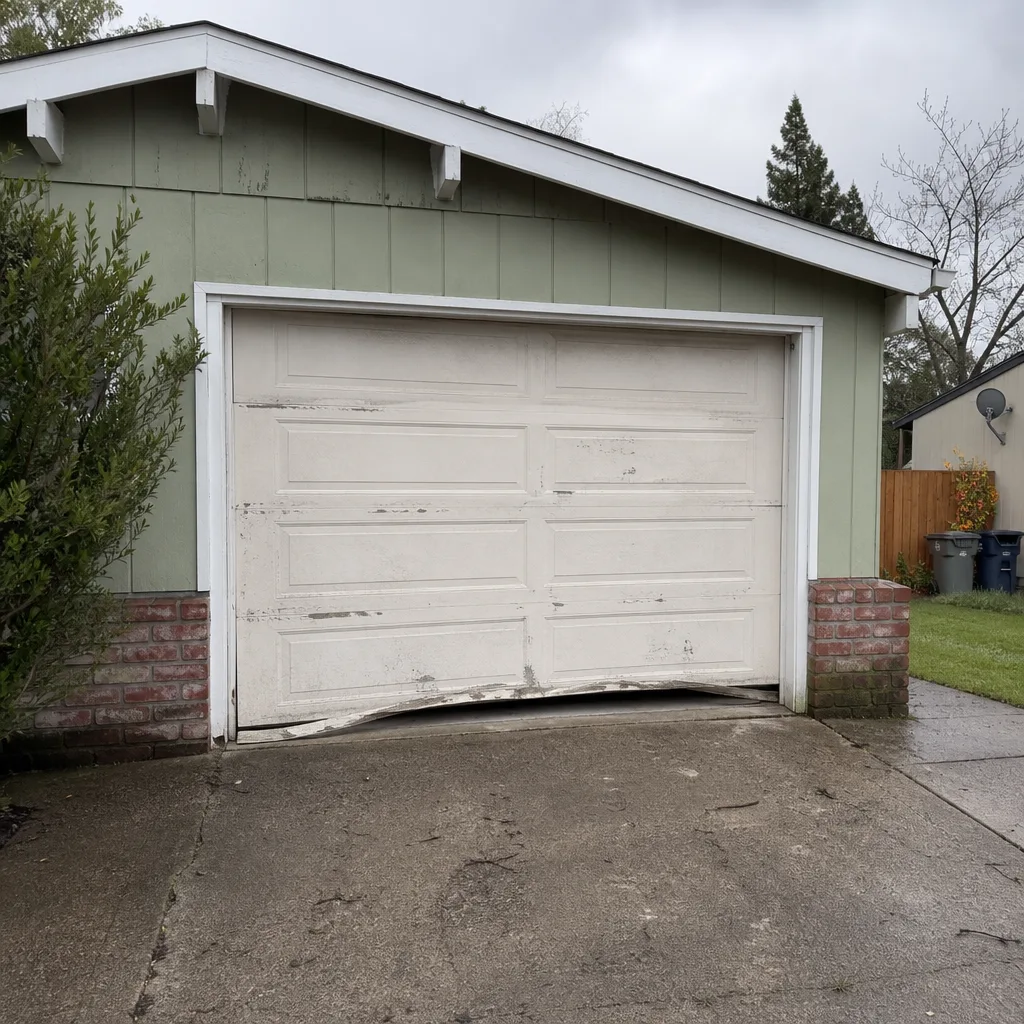 Before
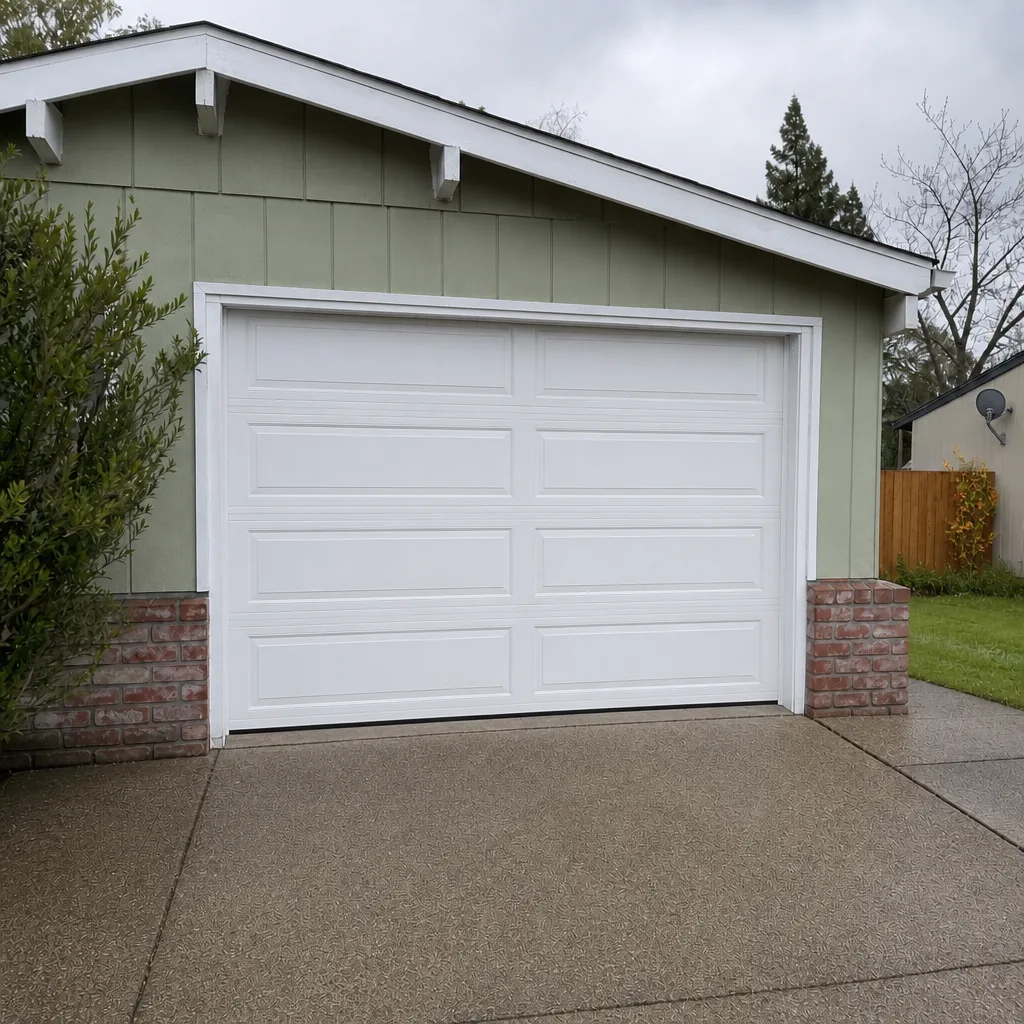 After
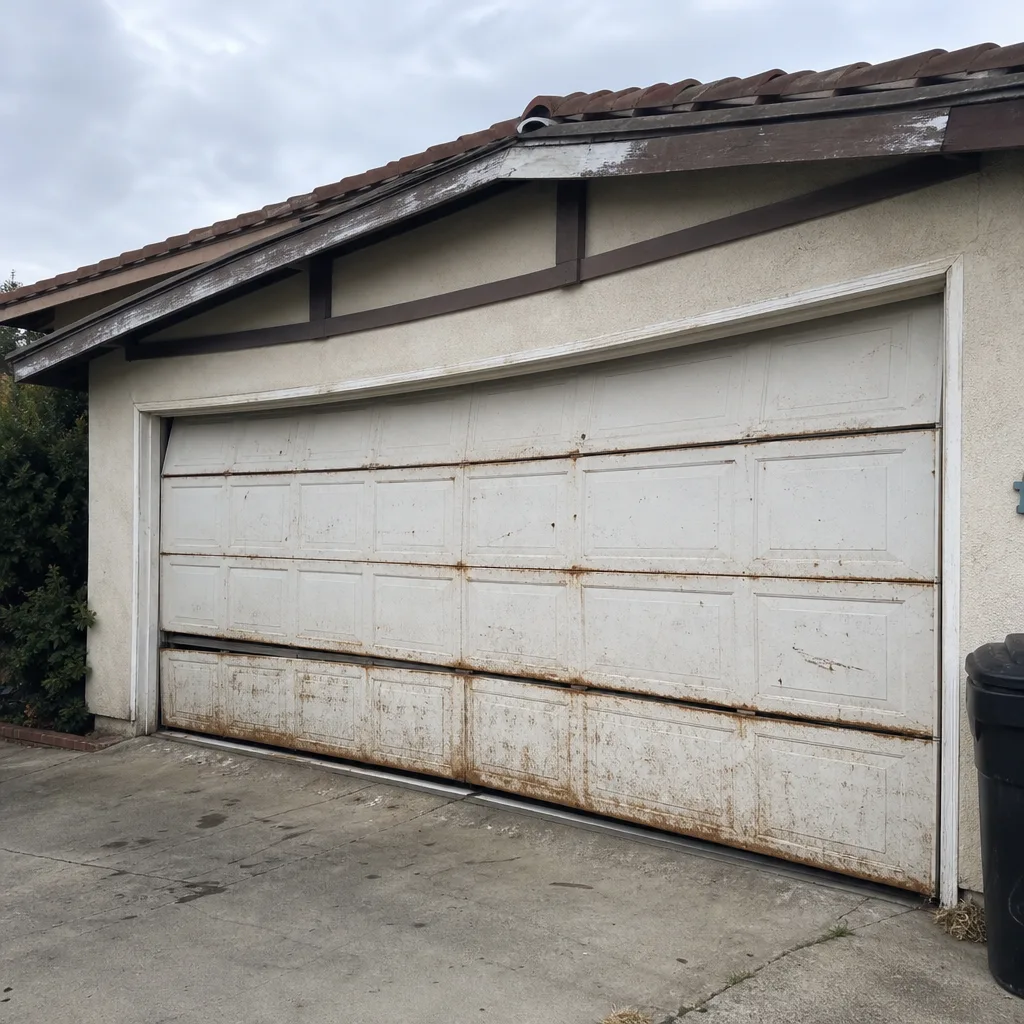 Before
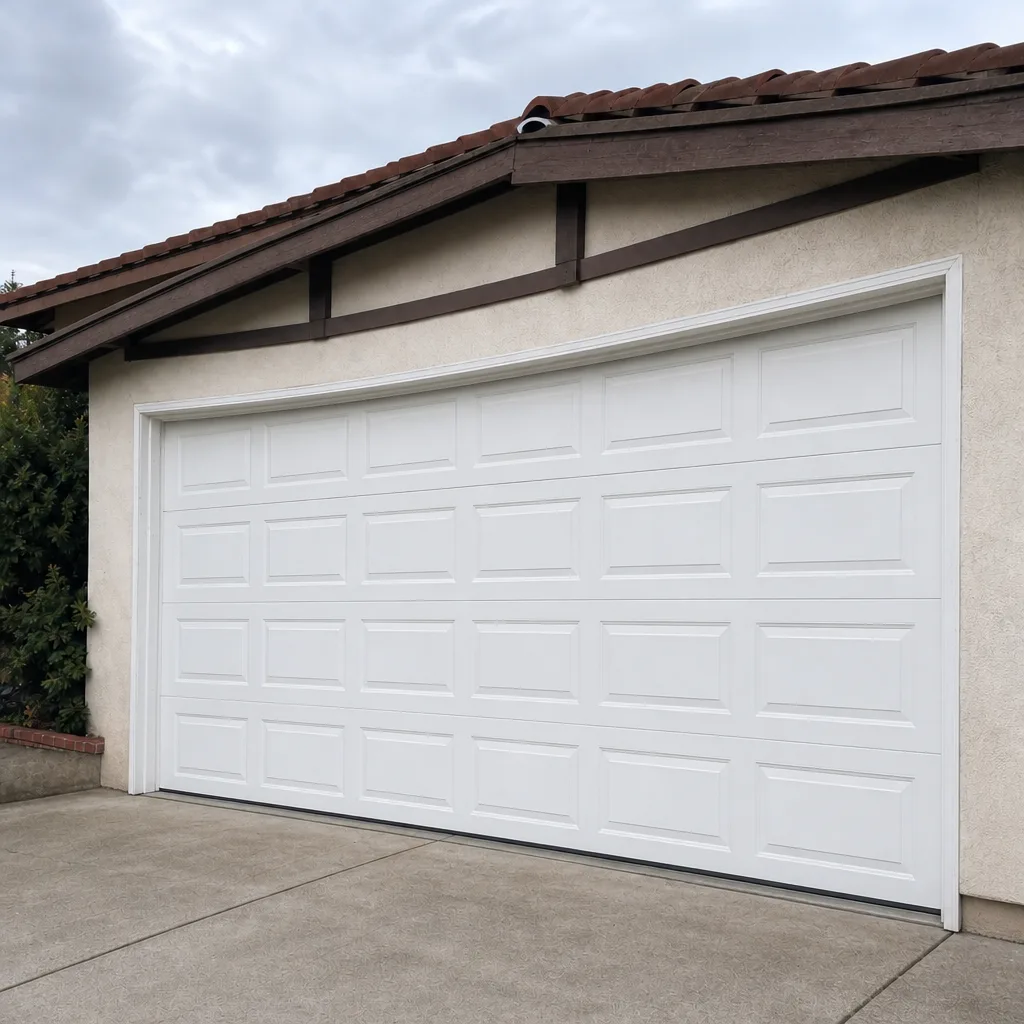 After
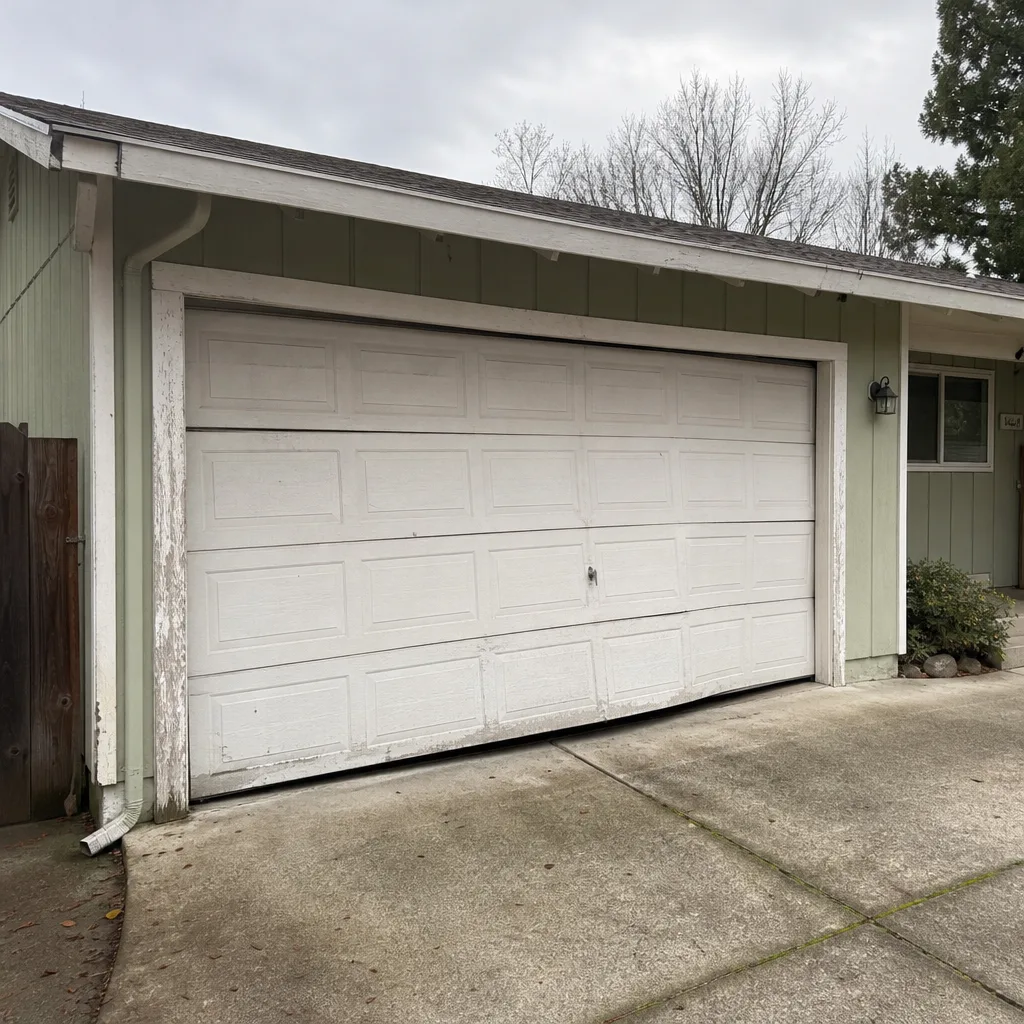 Before
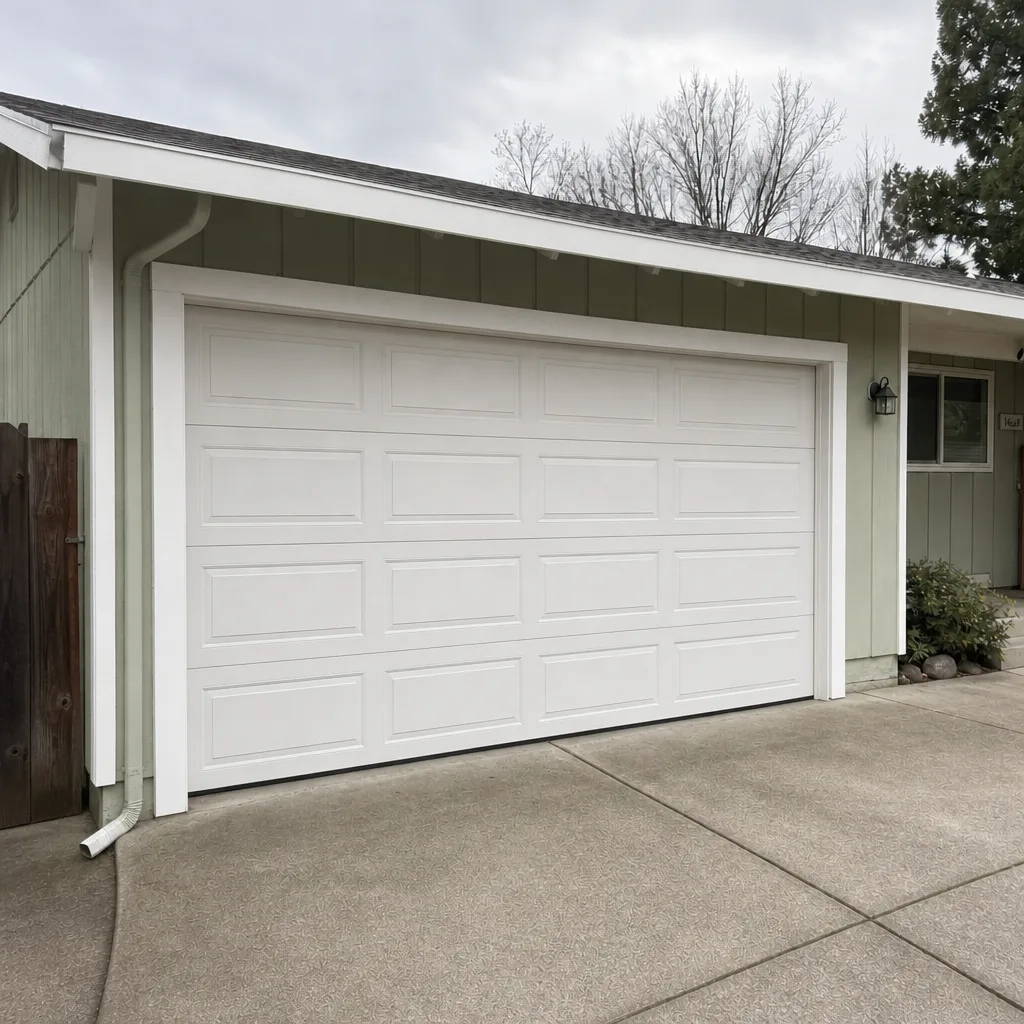 After