
Last updated November 4, 2026
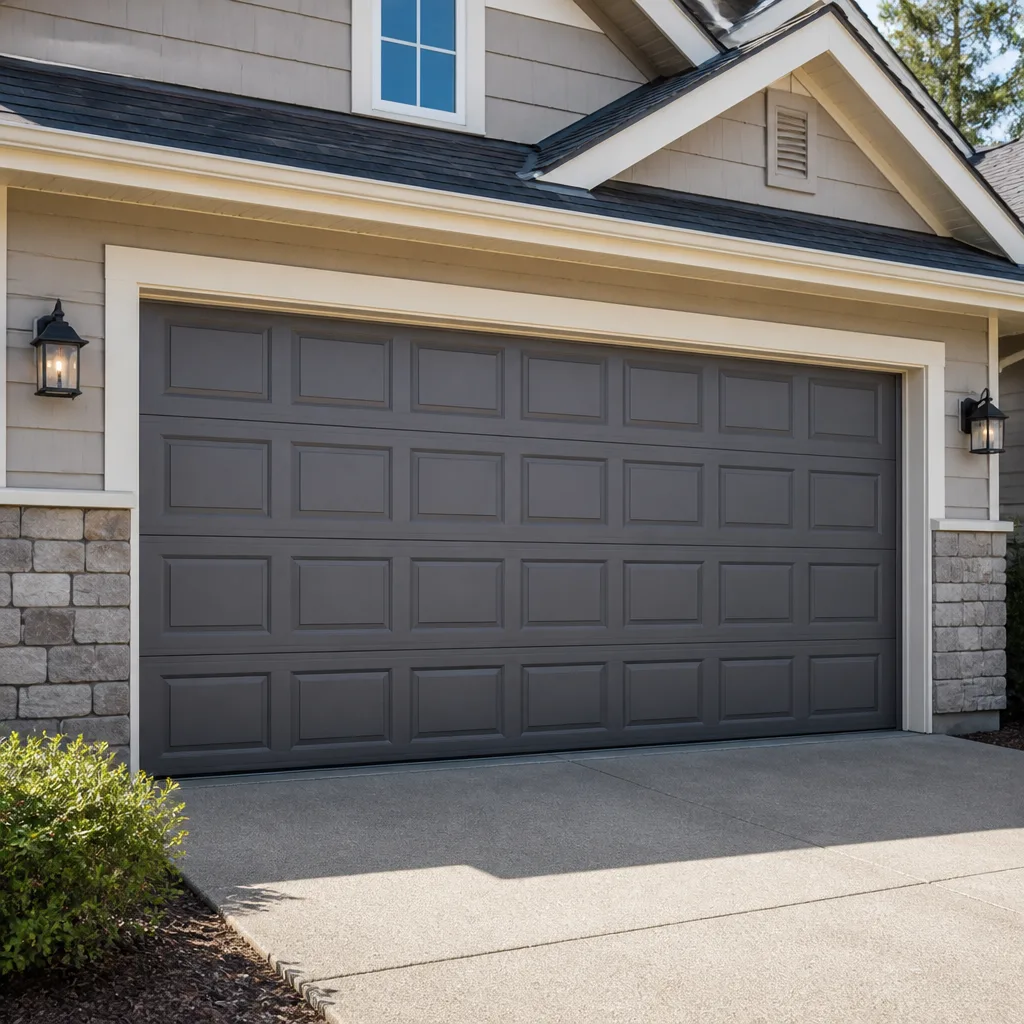 Raised-panel steel
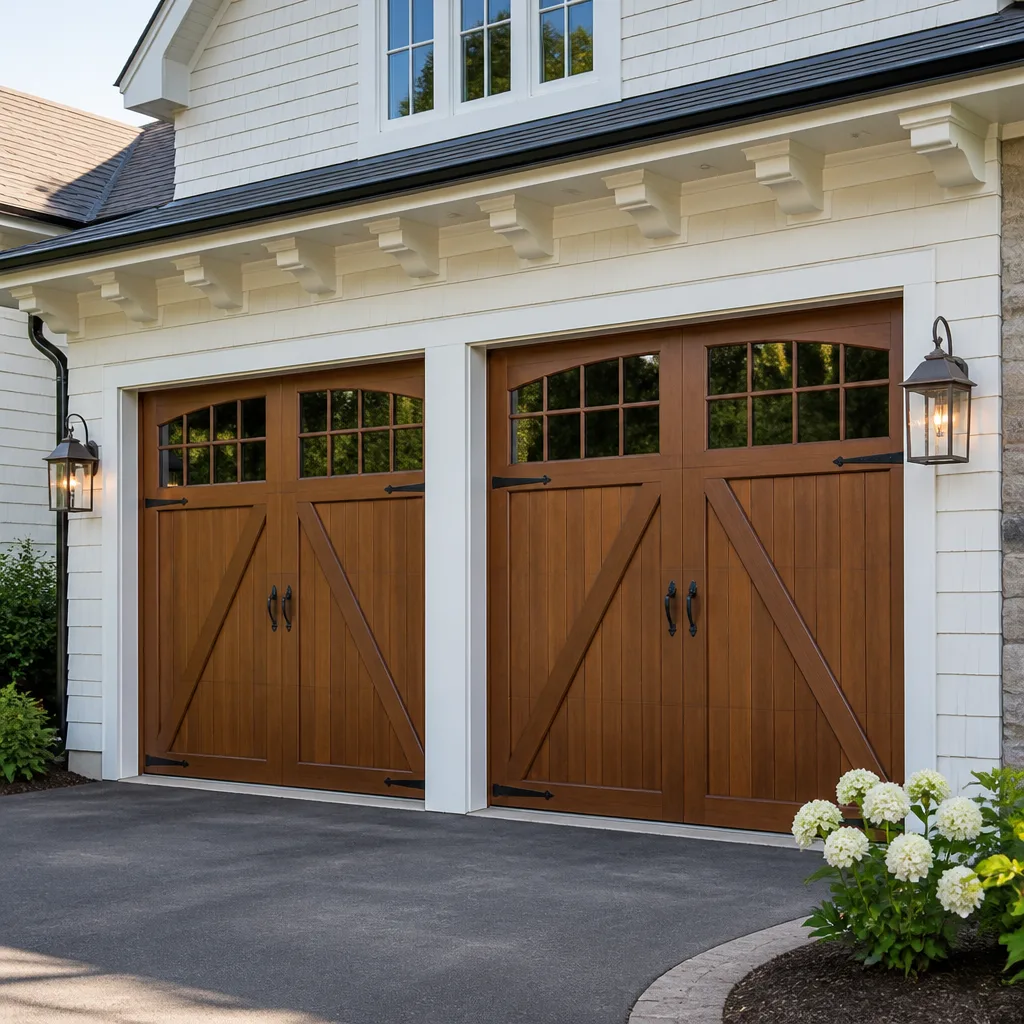 Carriage house
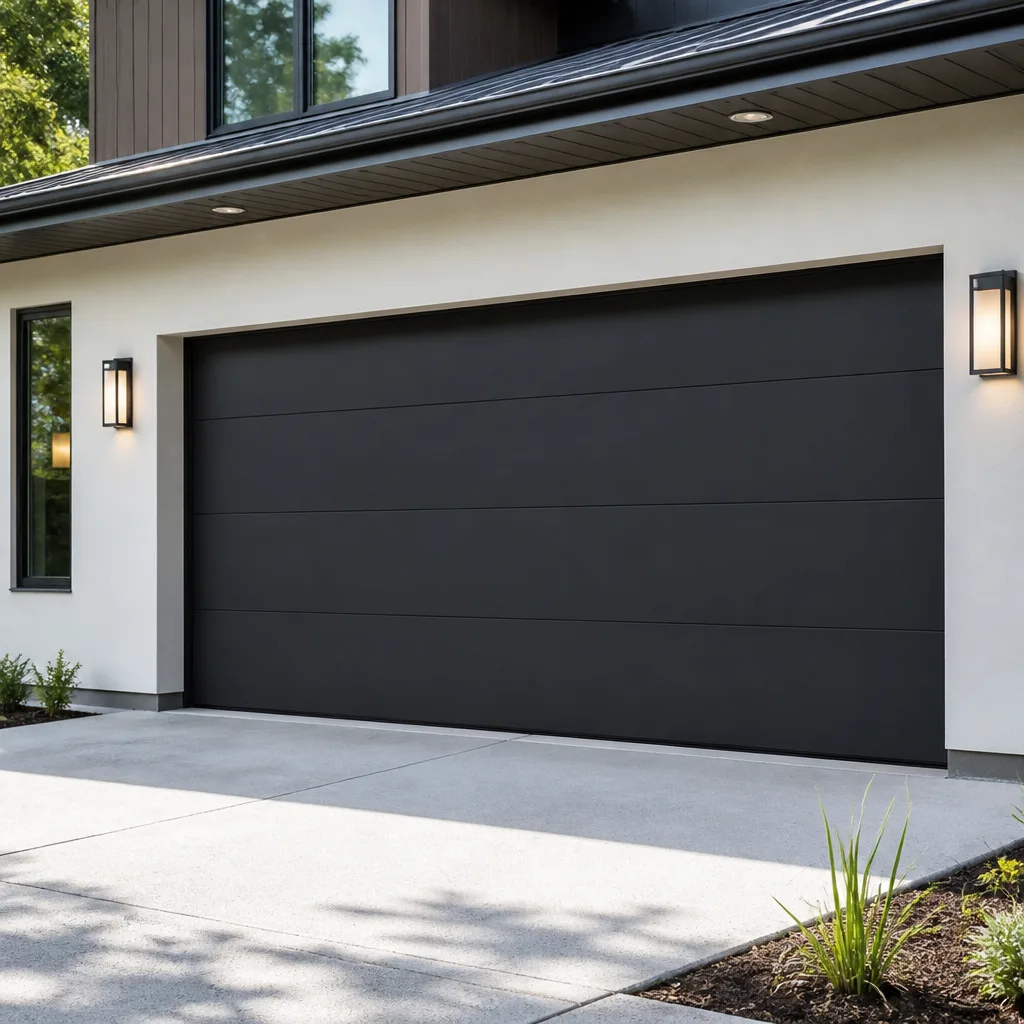 Modern flush
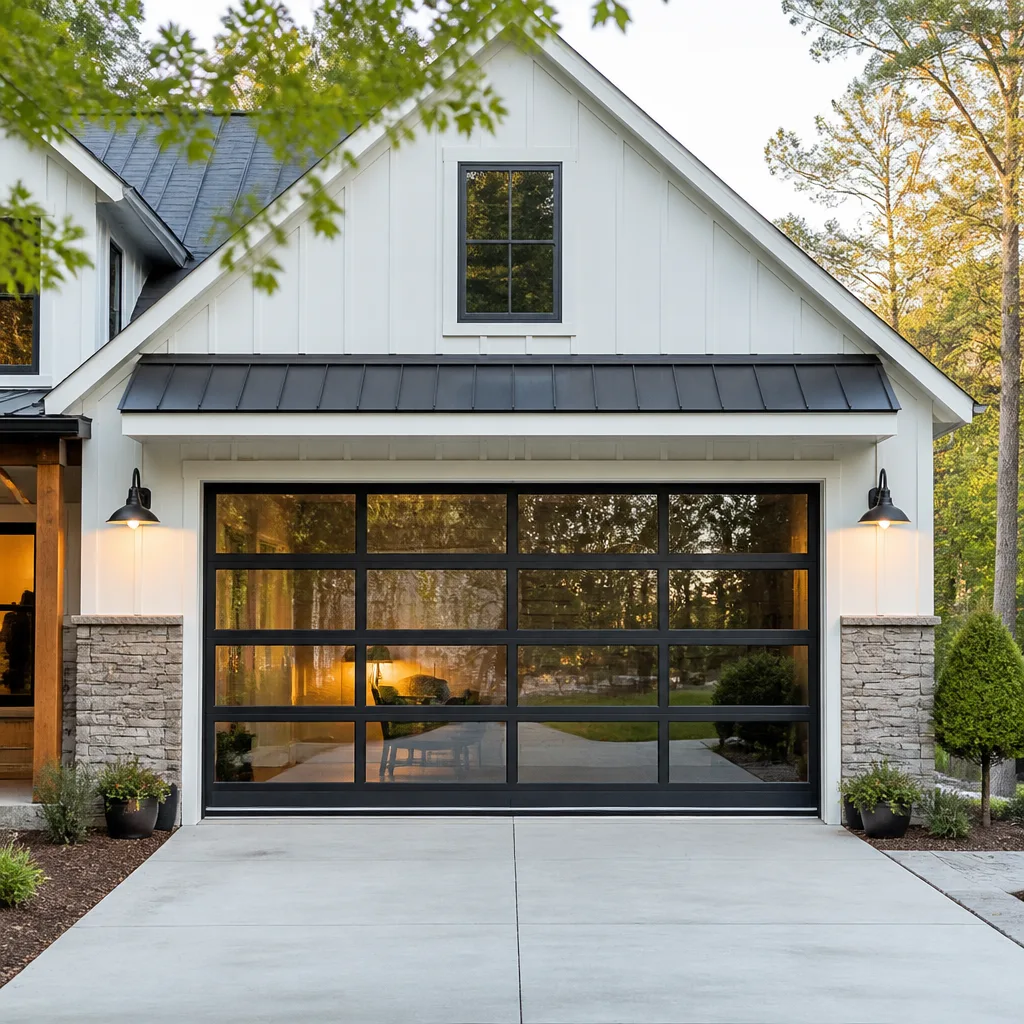 Full-view glass
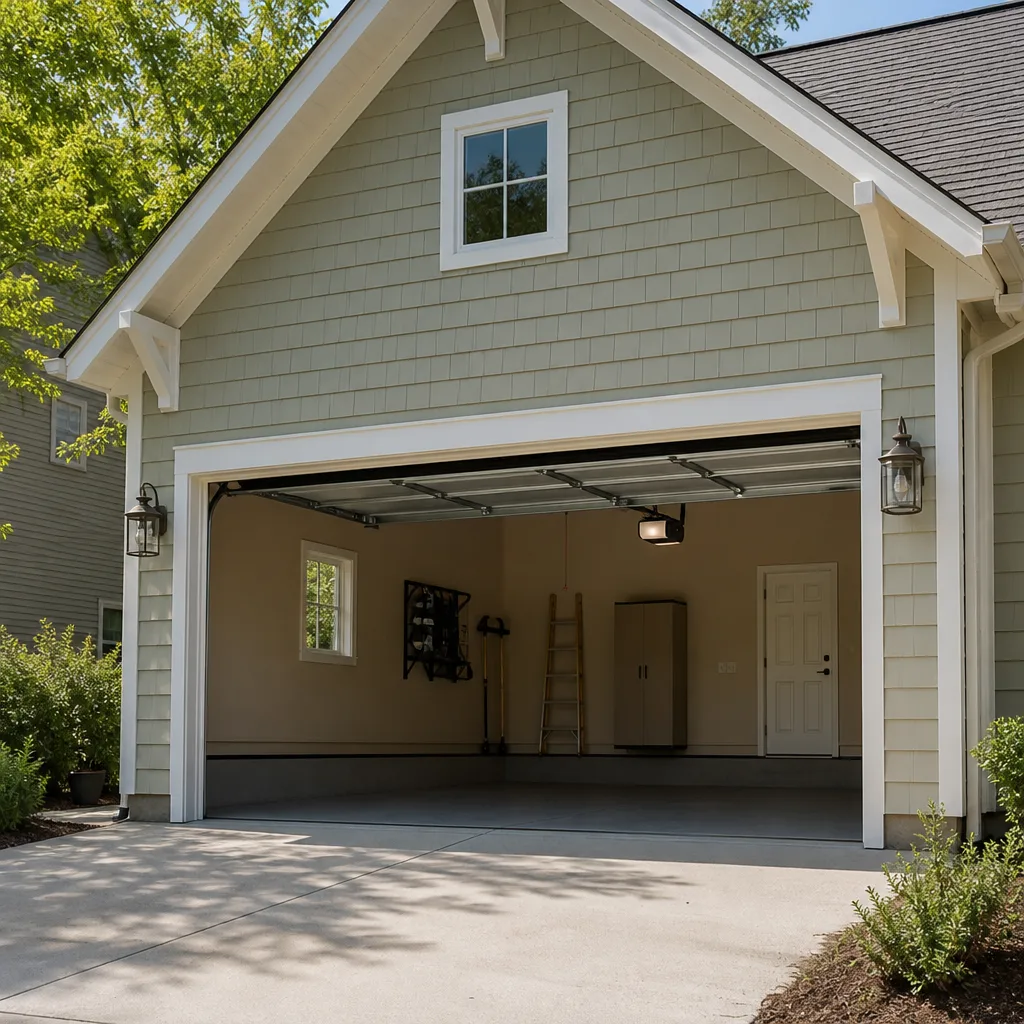 LiftMaster openers
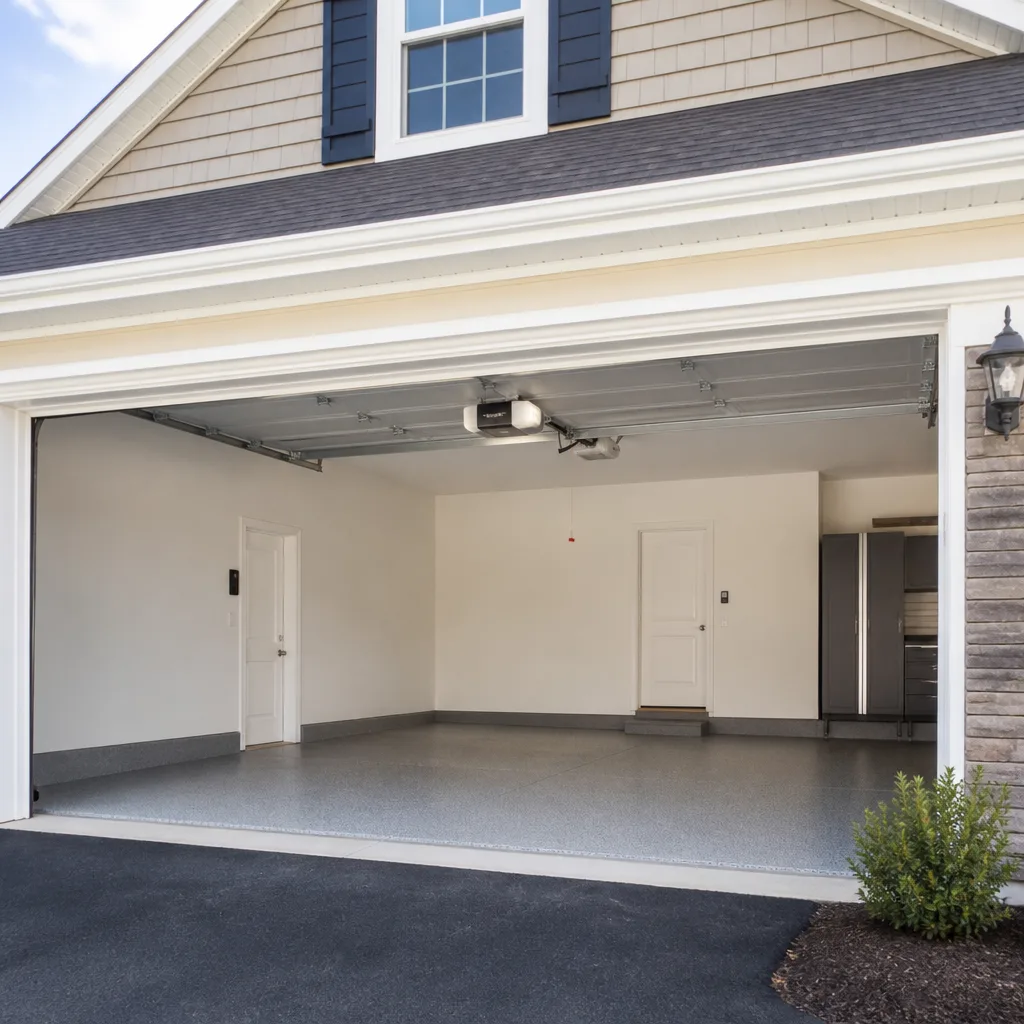 Chamberlain openers
Full 25-point door and opener safety check with every visit - springs, cables, rollers, tracks, and your LiftMaster or Chamberlain opener included
You get a price before we start. It does not change when the truck arrives.
Get your free estimateChoosing the Right Garage Door Brand: A Buyer’s Guide for Evergreen
Picking a garage door brand based on a showroom visit is like picking a car based on the brochure. The glossy panels and simulated wood grain tell you nothing about parts availability six years from now, whether local technicians actually service that brand, or what happens when you file a warranty claim. This guide cuts through manufacturer marketing and gives Evergreen homeowners a clear framework for comparing brands on the factors that actually determine long-term satisfaction.
Quick Answer
The right garage door brand for most Evergreen homes is the one your local installer can service long-term, that pairs cleanly with your existing opener ecosystem, and that offers insulation appropriate for a mild climate. For most buyers, mid-tier steel doors from Clopay or Amarr deliver the strongest value, while premium brands like Wayne Dalton or Raynor earn their price only when specific features matter to you.
Styles & brands we work with
- Raised-panel steel
- Carriage house
- Modern flush
- Full-view glass
- LiftMaster openers
- Chamberlain openers
Table of Contents
- Brand Comparison: What Actually Matters in Evergreen
- Opener Compatibility: The Overlooked Decision
- Insulation and Climate: What Evergreen Homes Need
- Warranty Language: What Lifetime Actually Means
- Budget vs. Mid-Tier: When to Spend More
- Questions That Reveal Whether a Dealer Actually Services the Brand
- Common Mistakes to Avoid
- When to Call a Professional
Brand Comparison: What Actually Matters in Evergreen
We work on doors from Clopay, Amarr, Wayne Dalton, Raynor, and the other major manufacturers, and in our experience the differences between brands are smaller than most marketing suggests. The real variables are steel gauge, insulation type, hardware quality, and finish durability. Here is how the major players stack up on those factors for a typical Evergreen home.
Clopay and Amarr both build strong mid-tier steel doors with polyurethane or polystyrene insulation cores. They hold up well in mild climates like ours, where the door does not face extreme temperature swings or heavy snow load. Wayne Dalton positions itself slightly higher on fit and finish, with tighter seams and cleaner panel lines. Raynor focuses on heavier-gauge steel and commercial-grade hardware on its upper lines, which matters if the door gets heavy daily use. CHI and Doorlink offer fewer frills but dependable value for detached garages or secondary structures.
For Evergreen specifically, our mild winters mean the insulation rating is less about cold protection and more about keeping the garage livable in summer and reducing panel flex. A 2-inch polyurethane core is the sweet spot for most attached garages here; a non-insulated steel door works fine for a detached garage used only for storage.
What matters more than brand:
- Steel gauge: 24-gauge or thicker resists dents better than 26 or 27-gauge.
- Insulation type: polyurethane bonds to the panel for stiffness; polystyrene is cheaper but can rattle.
- Finish warranty: look for a rust-through or paint adhesion guarantee, not just a structural one.
- Local service coverage: a door is only as good as the technician who can fix it.
If you want an honest read on which brands hold up in this area, call Ashton Garage Door Repair before you shop. We see which doors fail and which ones do not.
Opener Compatibility: The Overlooked Decision
Most buyers choose a door and an opener separately, then wonder why the garage door opener repair bills start piling up. The door’s weight, balance, and spring tension determine how hard the opener works every cycle. A mismatched pair shortens the life of both components.
Here is how to think about it. LiftMaster and Chamberlain openers dominate the market and pair well with nearly any door brand when installed correctly. Genie openers work fine too, though their rail systems and logic boards sometimes require different adjustment. Craftsman openers are essentially Chamberlain designs with different branding, so service knowledge carries over. Raynor sells openers as well as doors, and a Raynor door with a Raynor opener simplifies warranty coverage on both sides.
When we install a new door on an existing opener, we check these things in order:
- Door weight and spring balance: if the door is not balanced, the opener is working harder than it should.
- Opener horsepower: most residential openers are 1/2 HP or 3/4 HP; heavier doors need more.
- Drive type: belt drives are quieter; chain drives tolerate heavier doors without slipping.
- Smart-home integration: newer LiftMaster and Chamberlain units pair with app-based controls; a mismatched door will not affect this, but a mismatched opener will.
The cleaner path is to pick a door brand first, then match the opener to its weight and balance curve. If you are replacing both, a single decision about the whole system is simpler than two separate choices.
We are a garage door company first, which means our technicians think about the door and opener as one mechanism, not two products. That is also why we offer garage door opener repair as a distinct service: the electronics, drive systems, and smart integrations need focused expertise, not a generalist with a screwdriver.
Insulation and Climate: What Evergreen Homes Need
Evergreen does not get extreme cold, so the insulation conversation here is different from what a homeowner in Minnesota would care about. Our summers are the bigger driver. An insulated door keeps a south-facing garage noticeably cooler in July and reduces heat transfer into adjacent rooms when the garage is attached.
For most Evergreen homes, a 2-inch polyurethane core is the highest-value configuration. It adds stiffness to the panel, cuts noise, and keeps the garage within a comfortable range for most of the year. Polystyrene is fine for detached garages or when budget is tight. Non-insulated steel doors are acceptable for sheds and storage spaces, but they flex more and transmit more outdoor temperature.
A practical insulation guide for our climate:
- Attached garage, used as a workspace or gym: polyurethane core, 2 inches minimum.
- Attached garage, parking only: polystyrene core or a thin polyurethane layer.
- Detached garage, storage or hobbies: polystyrene or non-insulated steel; insulation is optional.
- South-facing or west-facing garage with afternoon sun: add a radiant barrier or lighter exterior color.
Some Evergreen homes sit on larger lots with detached garages, where insulation is less about the house and more about the door’s tendency to warp or rattle. A stiffer panel is a quieter panel. That matters if the garage faces a bedroom window.
Warranty Language: What Lifetime Actually Means
Every manufacturer says lifetime somewhere on the spec sheet. The question is: lifetime of what? Read carefully and you will find that the lifetime word usually applies to the steel skin’s resistance to rust-through, not to the springs, rollers, hinges, or paint finish.
Here is what a typical warranty structure looks like across the major brands:
- Steel skin: often lifetime against rust-through on premium lines, but the definition of rust-through matters. Surface rust is usually not covered.
- Paint and finish: usually 1 to 5 years, and finish fading or chalking is often excluded or prorated fast.
- Hardware (springs, hinges, rollers): typically 1 to 3 years, sometimes longer with a registered premium line.
- Insulation: can be lifetime on polyurethane from some brands, but the failure mode is often panel delamination, not insulation loss.
Also check who performs the warranty work. Some manufacturers process claims through any authorized dealer; others want the original installer to handle the service call. If you bought a door from a company that only sells doors and does not service them, you may end up paying the labor on a warrantied part.
Our advice for Evergreen buyers: ask for a written copy of the warranty before you sign, and ask specifically what the labor coverage is during the first three years. The answer tells you more than the word lifetime does.
Budget vs. Mid-Tier: When to Spend More
Budget doors are not inherently wrong in a mild climate like Evergreen. A basic steel door from Doorlink or a value-line Wayne Dalton can serve a detached garage for a long time with routine maintenance, provided the door is balanced correctly and the opener is matched to its weight. The risk with entry-level doors is not sudden failure; it is faster cosmetic wear and looser hardware over time.
Mid-tier doors, which in our market means roughly the middle of the Clopay, Amarr, and Wayne Dalton lines, are where the value peak sits for most attached garages. You get better steel, a tighter panel fit, and a finish that looks good longer. The jump from budget to mid-tier is modest. The jump from mid-tier to premium is bigger, and the returns shrink faster.
When a premium door makes sense in Evergreen:
- The door is the primary front-facing element of the house and curb appeal matters.
- You want a specific wood-look or color-matched finish that only premium lines offer.
- The garage is heavily used, with multiple open-close cycles daily, and hardware longevity matters.
- You pair the door with a premium Raynor or LiftMaster opener and want the entire system under the same quality tier.
When a premium door does not make sense: a detached garage you rarely see, a rental property where tenants will not maintain it, or a home you plan to sell within five years. Put the money into a proper installation and a well-matched opener instead. That is the smarter long-term spend.
We have worked on door systems from every tier, from Craftsman openers on entry-level steel doors to fully integrated Raynor systems with app-based controls. Our technicians are trained on both the mechanical door systems and the electronic opener systems, so the brand coverage spans entry-level to premium without gaps.
Questions That Reveal Whether a Dealer Actually Services the Brand
A surprising number of companies that sell garage doors never touch them again after installation. They market the brands, collect the check, and hand off any future problem to someone else. Here is how to tell the difference.
Ask these six questions:
- Do you service the brand you are quoting me? A yes that comes with a pause is a no.
- What is the typical wait time for a warranty repair on this door? If they cannot answer, they have not processed one.
- Who handles the labor on a warranty claim after the first year? Get it in writing.
- Do you stock springs, rollers, and cables for this specific door line, or do parts come from the factory? Local parts mean faster repair.
- Can you service this door if the original installer goes out of business? If the answer is anything but yes, find another company.
- Will you give me the exact model number on the written estimate? Vague language on a quote is a red flag.
Ashton Garage Door Repair handles garage door repair and installation for the full spread of major brands. That means you are not locked into a door brand based on who will service it later. Pick the door that fits your house, your budget, and your opener. Then call us when it needs attention.
Common Mistakes to Avoid
- Choosing a door before checking opener compatibility. The heaviest door with the weakest opener is a recipe for early garage door opener repair. Match the pair before you sign anything.
- Believing lifetime warranty means no future costs. Lifetime language usually covers only the steel skin’s rust-through, not springs, rollers, or labor. Read the fine print.
- Overspending on insulation for a detached garage. In Evergreen’s mild climate, a top-tier insulated door on a detached garage is often unnecessary. Spend on hardware and a good opener instead.
- Buying from a seller that does not service. If the company quoting you cannot name the parts they stock for that brand, you are buying a door and a future headache in the same transaction.
- Ignoring the finish warranty. Rust-through coverage is common; paint and finish coverage is where the cheap lines show themselves. Ask about both.
- Skipping the written estimate. A door quote without a model number is a door quote you cannot hold anyone to. Get it in writing.
When to Call a Professional
You should call a professional before you commit to a brand, not after. One conversation with a technician who services doors across every major manufacturer will tell you more than an afternoon of reading brand websites. We are glad to walk Evergreen homeowners through the options without pressure. Ashton Garage Door Repair offers free estimates in Evergreen. Call (833) 400-0995 and tell us what you have now, what you want from a new door, and what the garage is used for. We will help you sort out which brand and feature set actually makes sense for your house.
See the difference
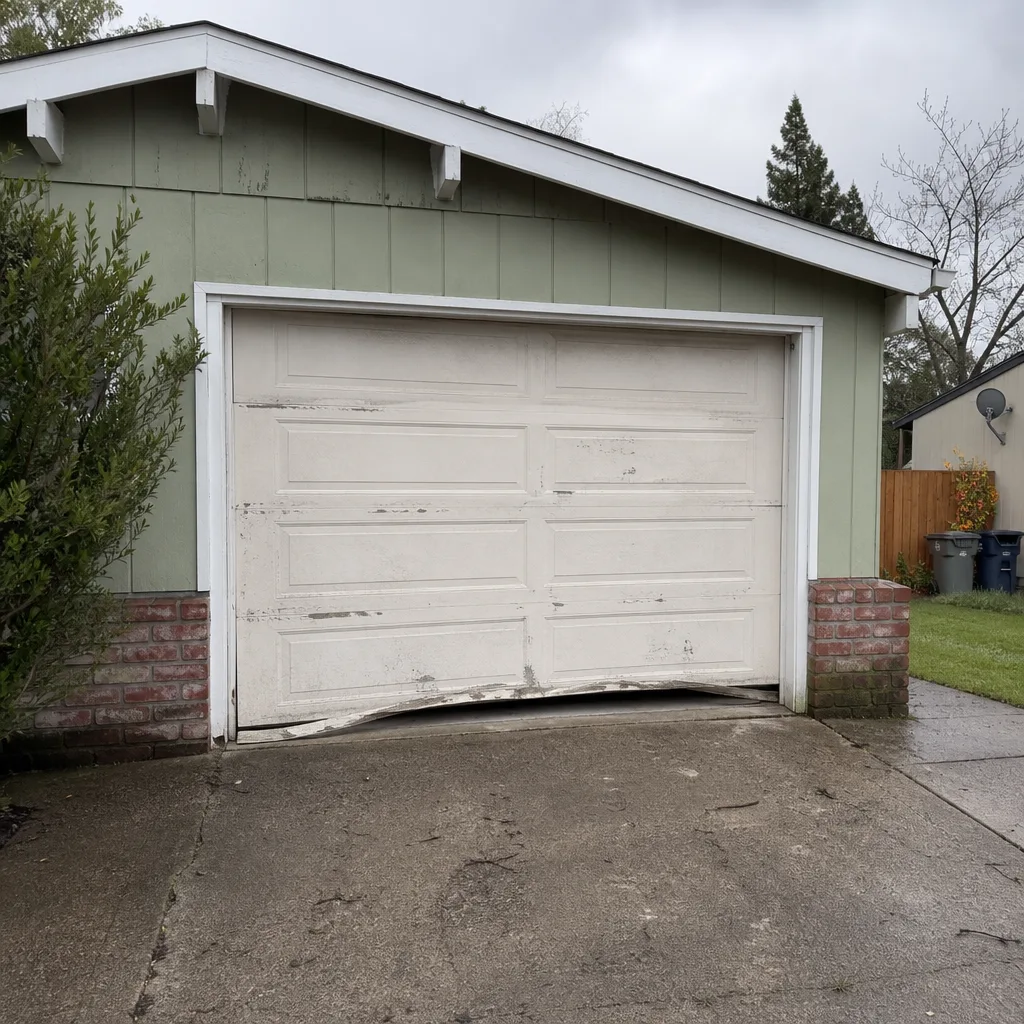 Before
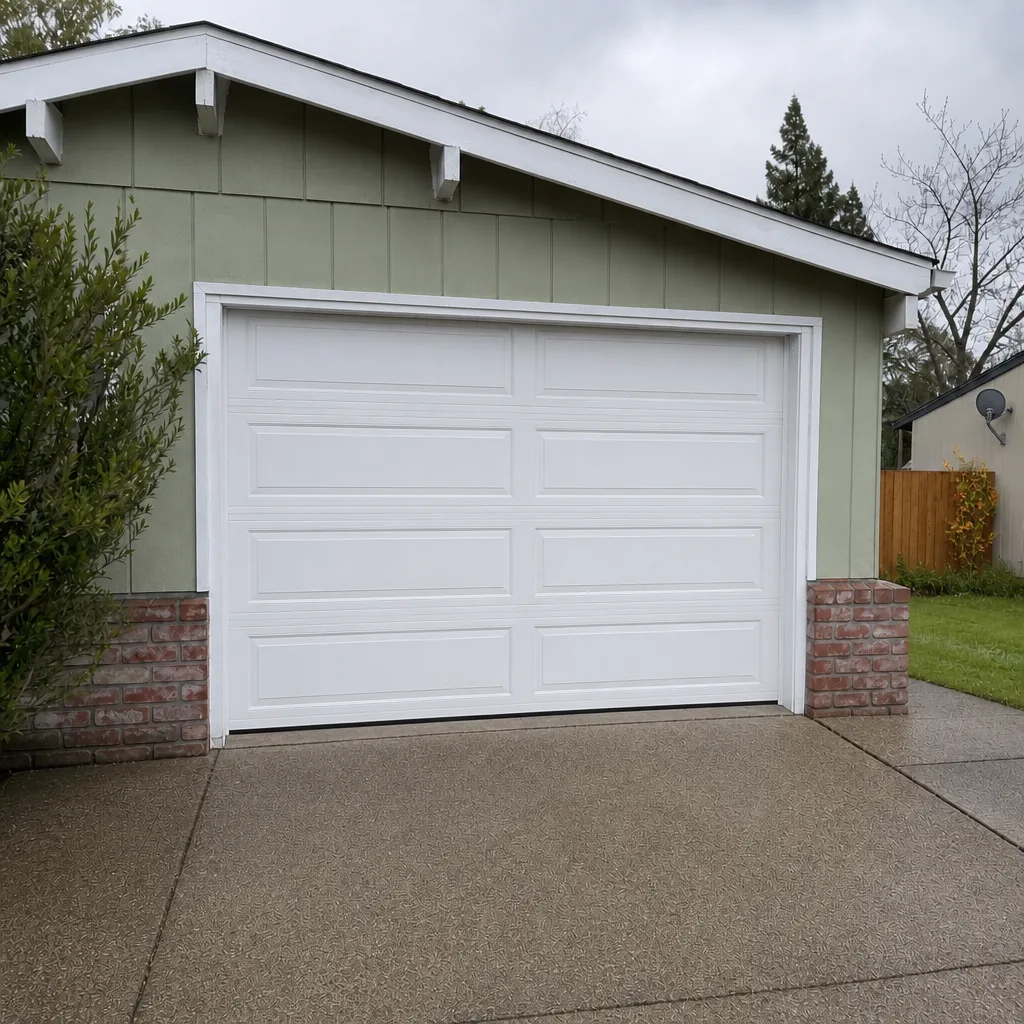 After
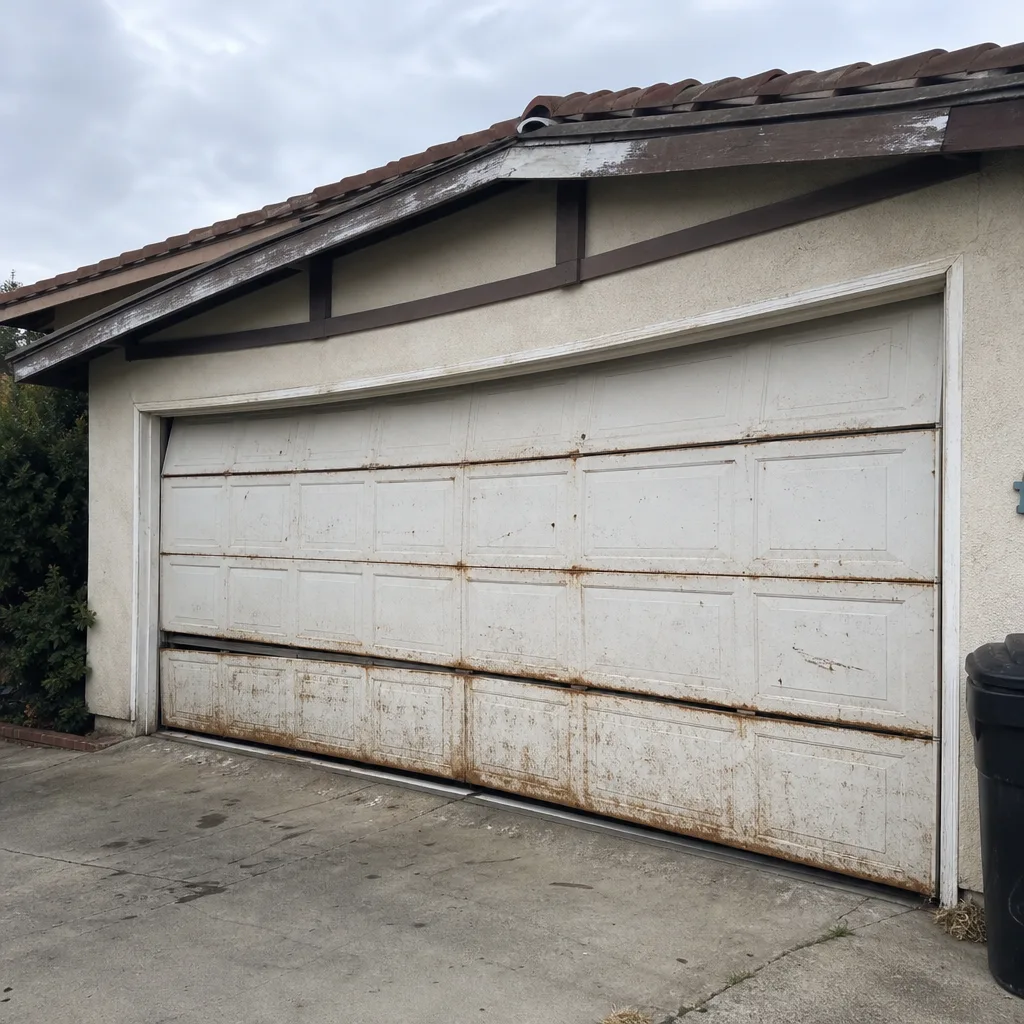 Before
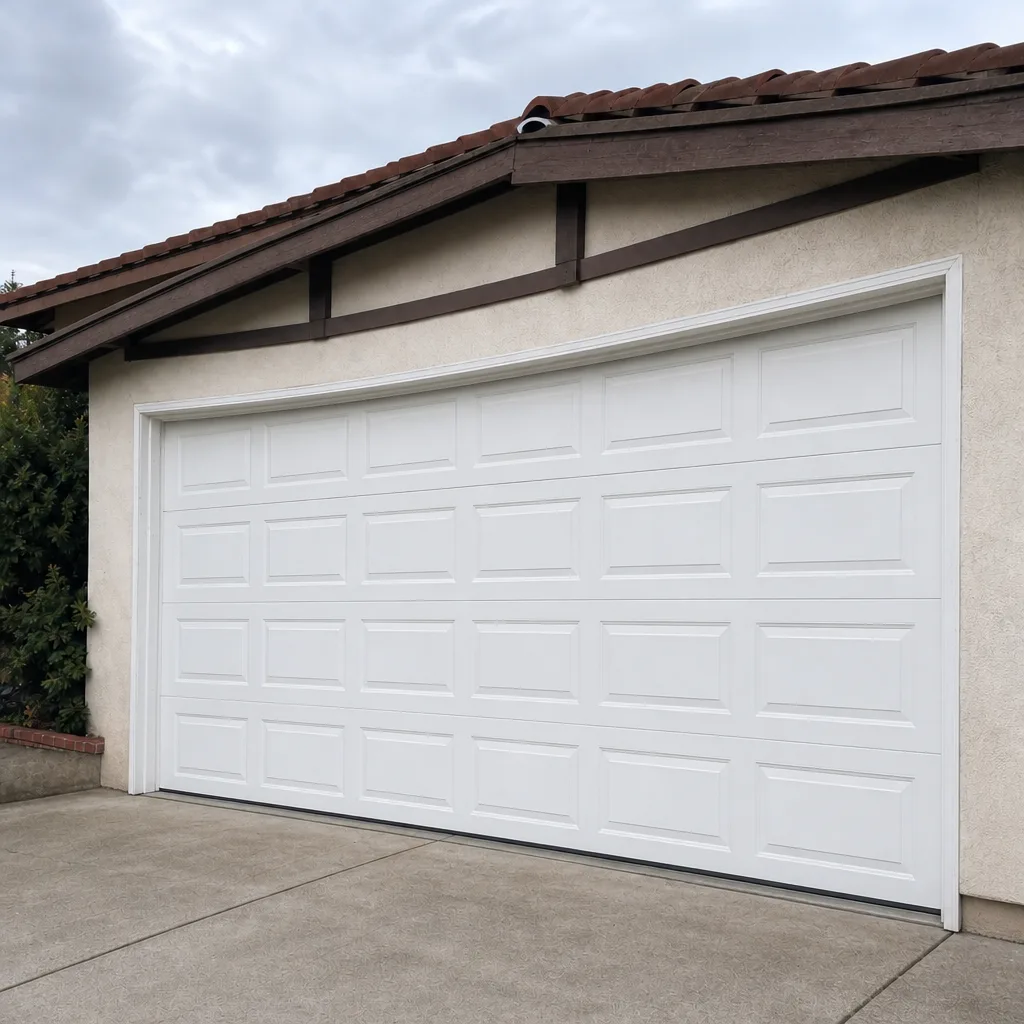 After
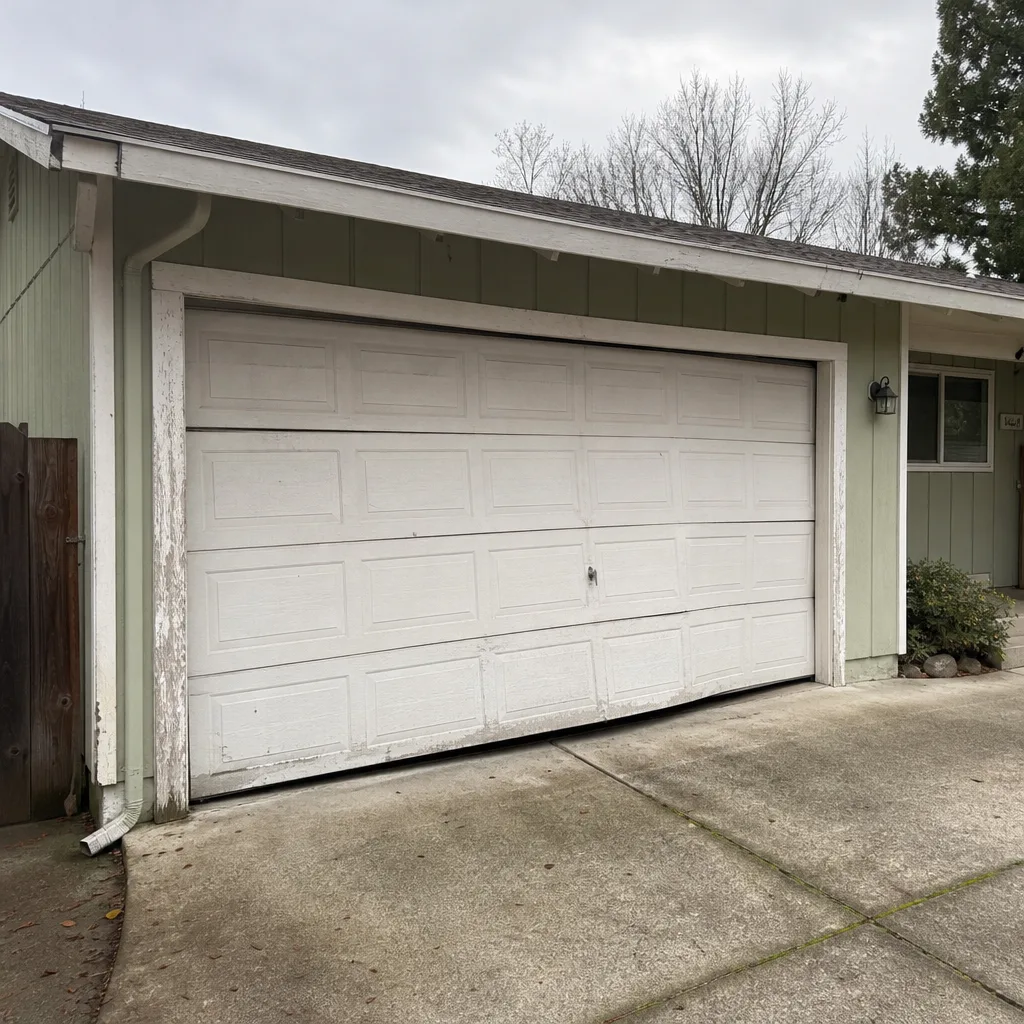 Before
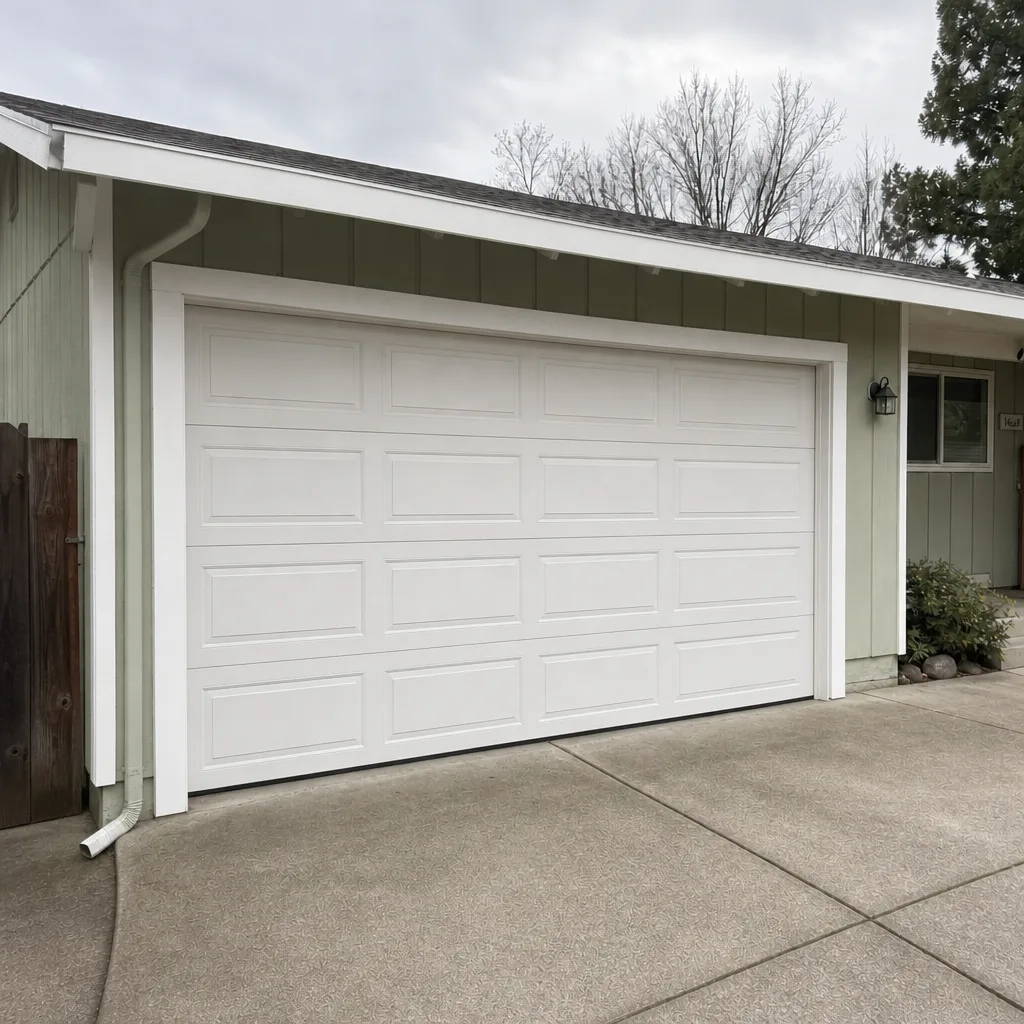 After
Frequently Asked Questions
For most Evergreen homes, Clopay and Amarr offer the strongest mid-tier value, while Wayne Dalton and Raynor make sense when you want premium fit, finish, or hardware. The right brand depends more on your opener ecosystem, insulation needs, and who will service the door long-term than on the logo on the panel.
Insulation matters less for cold here than for summer heat and panel stiffness. A 2-inch polyurethane core is the highest-value choice for an attached garage, while a detached garage used for storage can work fine with a non-insulated or polystyrene door.
Yes, with the right adjustments. LiftMaster, Chamberlain, Genie, and Craftsman openers can work with doors from any major manufacturer, but the door’s weight and balance must be matched to the opener’s horsepower and drive type. Mismatched systems wear faster.
Usually the steel skin’s resistance to rust-through, and often only on premium lines. Paint finishes, springs, rollers, and hinges carry much shorter terms, typically one to five years. Ask for the written warranty before committing.
Plan for a range that covers the door, hardware, installation, and opener work if needed. A written estimate is the only number that matters. Ashton Garage Door Repair provides free estimates for Evergreen homeowners, call (833) 400-0995.
If the opener is more than 10 years old or is struggling with the existing door, replacing both as a matched system reduces long-term service complexity. If the opener is newer and in good shape, you can often pair it with a new door by choosing a model within its weight and balance range.
The Bottom Line
Brand selection is a compatibility decision, not a marketing decision. The door that fits your Evergreen home depends on your opener, your insulation needs, your budget tier, and who will service the system five years from now. Mid-tier steel doors deliver the strongest value for most attached garages, budget doors work for detached structures, and premium lines earn their price when curb appeal or heavy use justify the cost. Get a written estimate with the exact model number, read the warranty terms, and choose a company that services what it sells.
Written by the team at Ashton Garage Door Repair, serving Evergreen since 2013.