
Last updated November 4, 2026
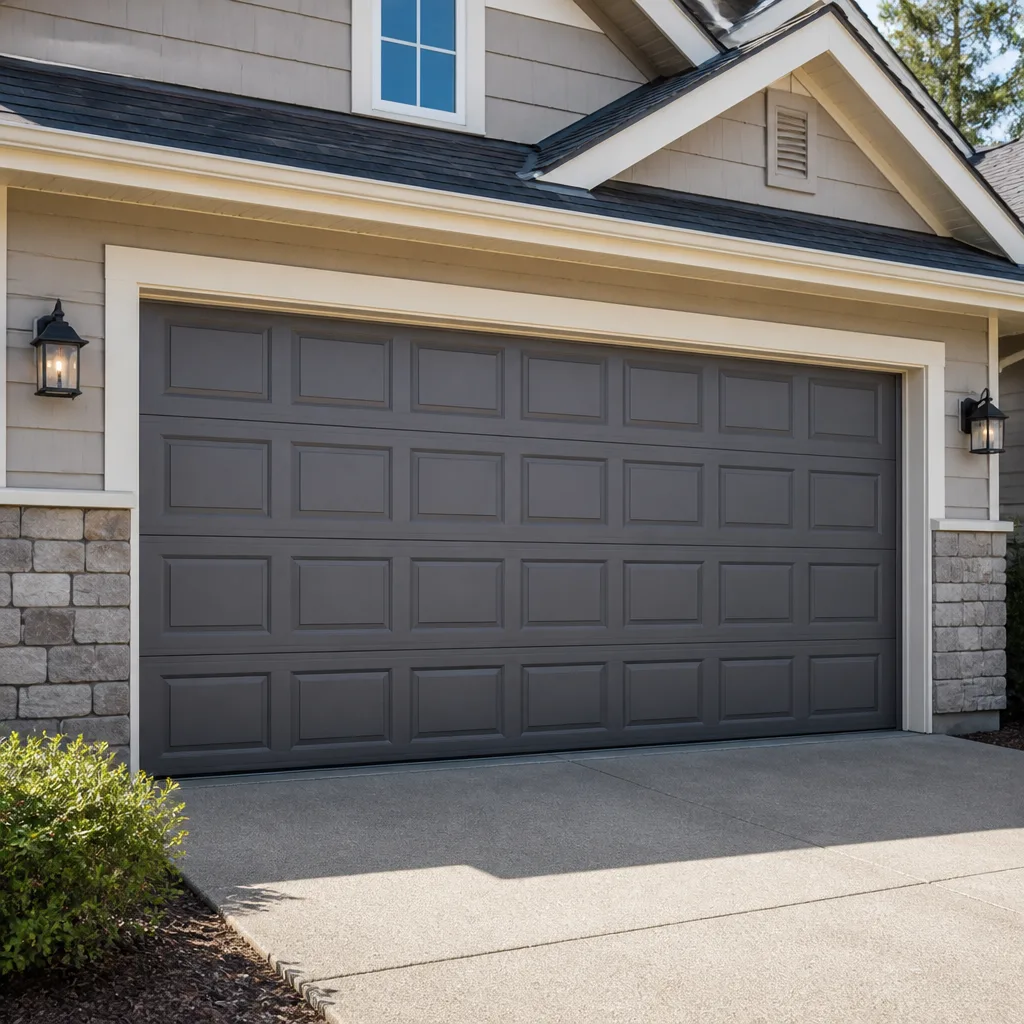 Raised-panel steel
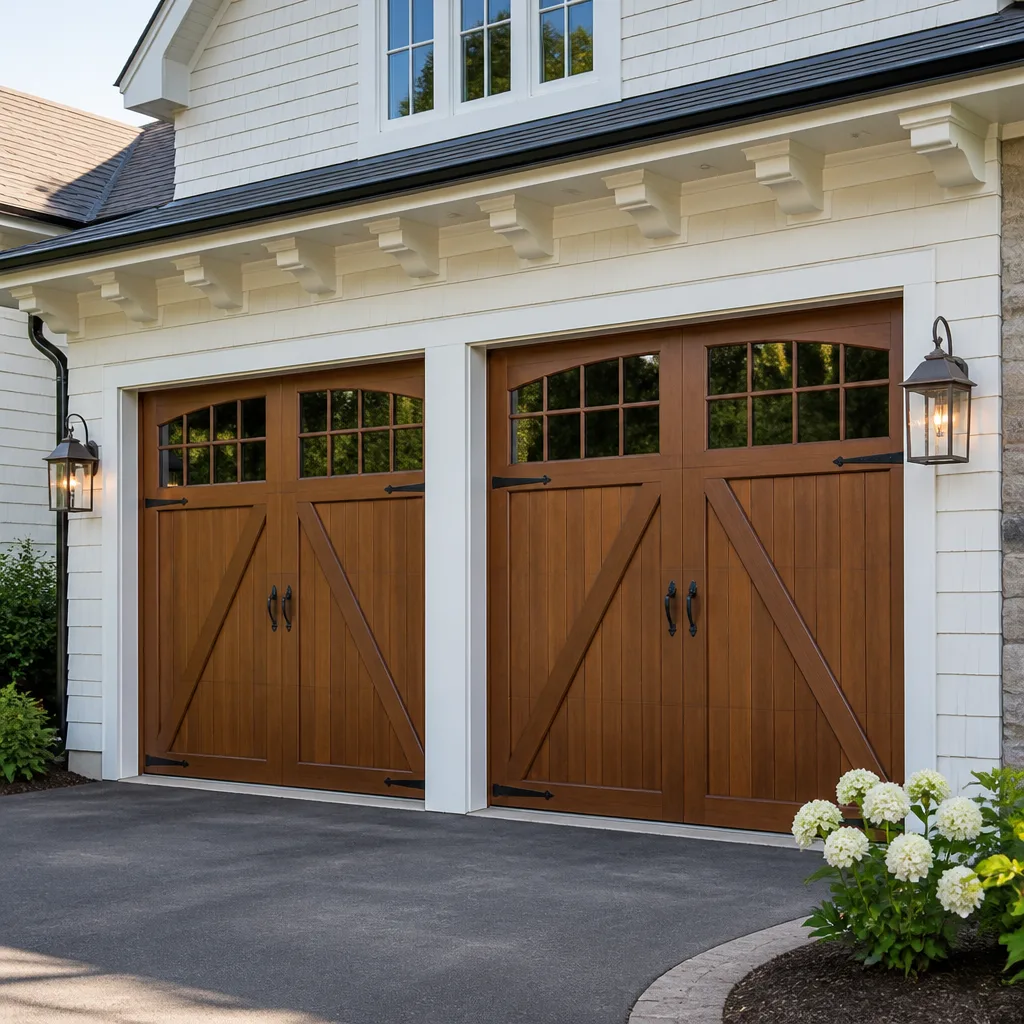 Carriage house
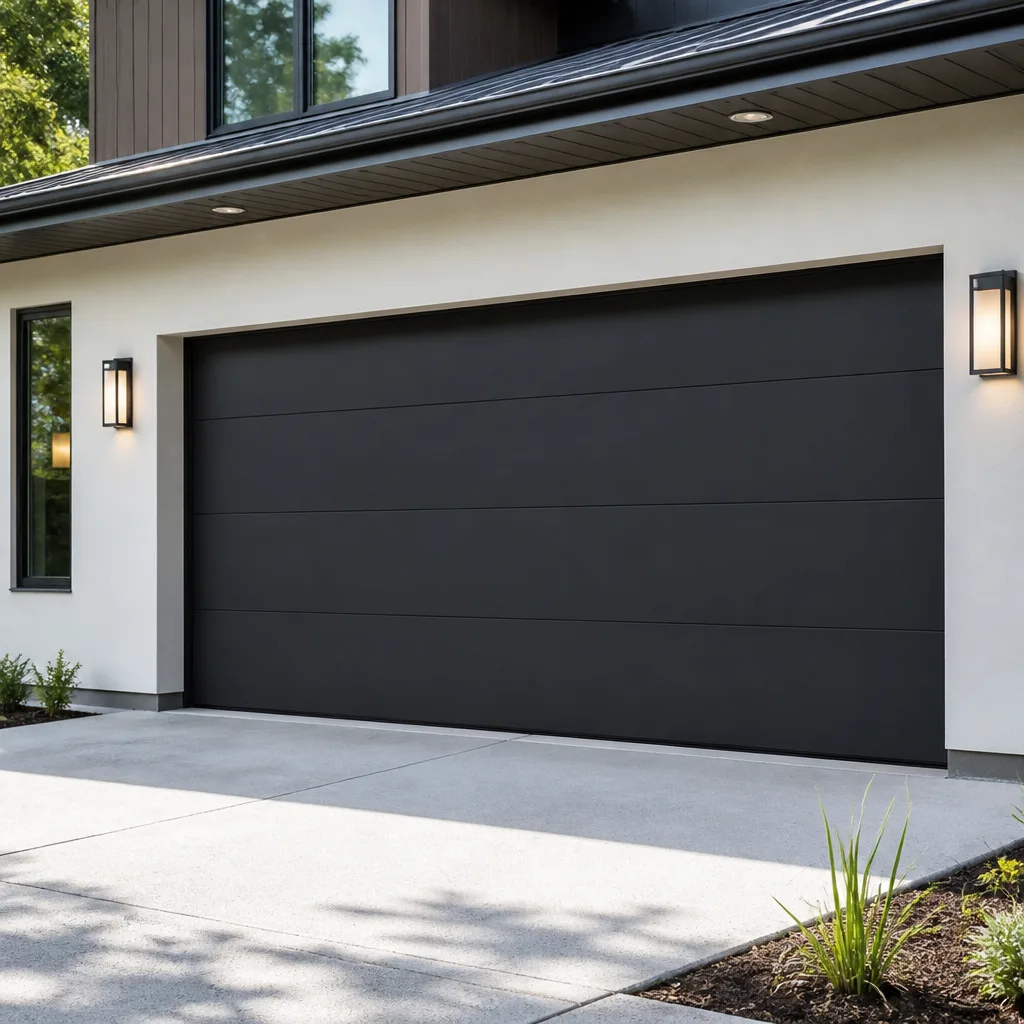 Modern flush
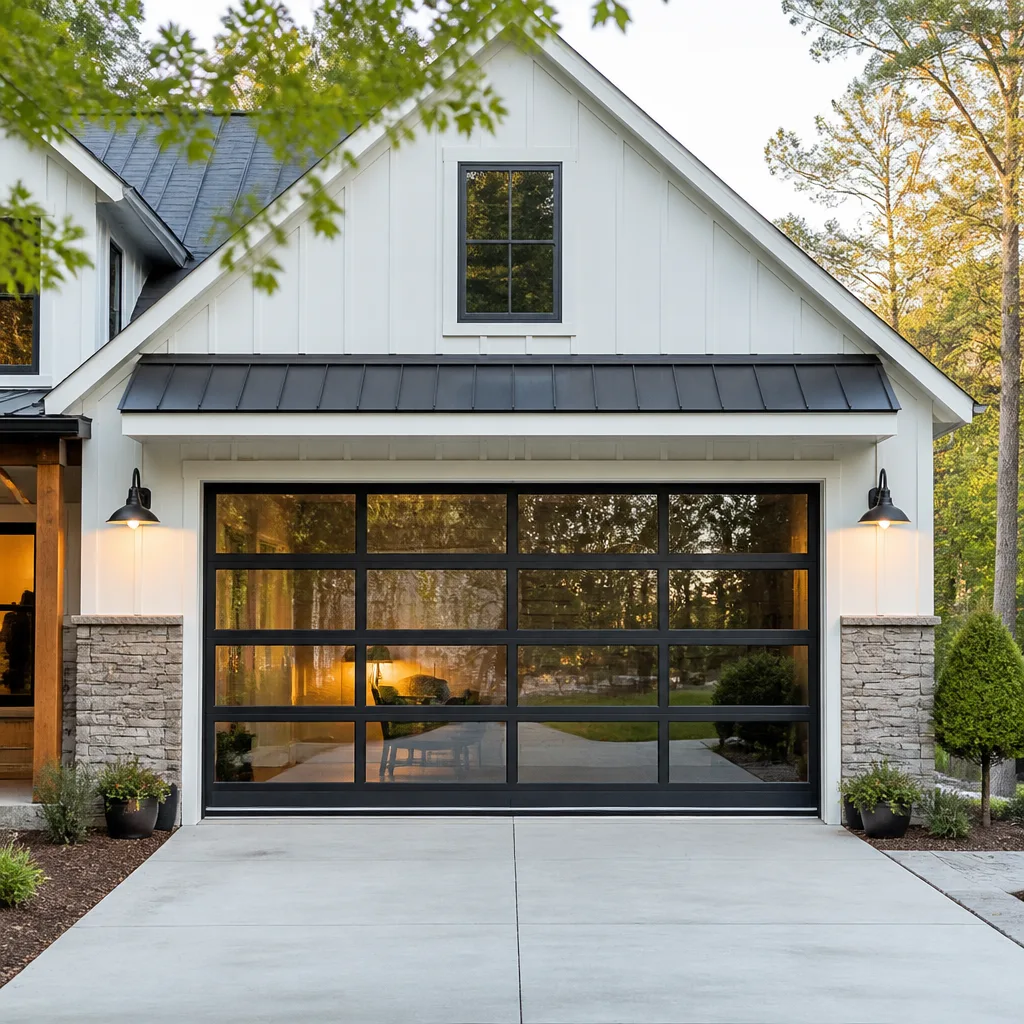 Full-view glass
 LiftMaster openers
 Chamberlain openers
Full 25-point door and opener safety check with every visit - springs, cables, rollers, tracks, and your LiftMaster or Chamberlain opener included
You get a price before we start. It does not change when the truck arrives.
Get your free estimateGarage Door Warning Signs: An Evergreen Homeowner’s Reference Guide
Most homeowners describe every garage door problem the same way: “It’s making a noise.” A grinding sound on the way up and a perfectly smooth ride on the way down aren’t the same problem, but they get lumped together because the vocabulary isn’t there. This guide is built to close that gap. We’ll walk through what each sound, sight, and behavior actually means, how urgently it needs attention, and when a door that seems fine is anything but. If you live in Evergreen, this is written for your door, your opener, and the way your house behaves in this climate.
Styles & brands we work with
- Raised-panel steel
- Carriage house
- Modern flush
- Full-view glass
- LiftMaster openers
- Chamberlain openers
Quick Answer
The most common garage door warning signs in Evergreen are grinding or squealing during operation, a door that hesitates or reverses mid-cycle, visible cable fraying or rust on the springs, and an opener that runs but doesn’t move the door. Any of these means a component is failing, not just being noisy. Catching them early usually means a repair that costs a fraction of what a snapped spring or dropped door will cost.
Table of Contents
- The Symptom-to-Cause Sound Index
- Visual Warning Signs That Don’t Make Noise
- Response-Time Guidance: This Week vs. Today
- Normal Operational Noise vs. Imminent Failure
- Opener Problems That Are Actually Door Problems
- How to Check a Door’s Balance Safely
- Why Cables and Springs Are Not a DIY Fix
- Common Mistakes to Avoid
- When to Call a Professional
- Frequently Asked Questions
- The Bottom Line
The Symptom-to-Cause Sound Index
Every sound a garage door makes is data. The trick is matching the sound to the component. Here’s a breakdown of what we listen for when a homeowner in Evergreen calls and describes a noise over the phone. This is the same checklist our technicians use before they ever see the door.
Grinding with no rhythmic pattern. A constant metallic grind usually points to the opener’s drive gear. On Chamberlain and LiftMaster units with a chain or screw drive, the gear inside the powerhead is plastic and designed to strip before the motor burns out. When it starts going, it sounds like a metal-on-metal grumble that gets worse every cycle. This is an opener issue, not a door issue.
Rhythmic grinding that matches the door’s speed. This is different. If the grinding happens in time with the door’s movement, it’s usually the rollers. Rollers with worn bearings stop spinning and start sliding along the track. Steel rollers get loud first. Nylon rollers go quiet before they fail, which is why a door that was quiet for years and suddenly grinds rhythmically often has a roller that’s already seized.
Squealing or shrieking during the full travel. A high-pitched squeal that lasts the whole cycle is most often dry or failing rollers, though a door with extension springs can squeal where the springs rub against their track. If the squeal is sharper at one specific point in the travel, you may have a hinge or track bracket that’s worked loose.
A single loud pop while operating. A pop that happens once, usually right as the door starts moving, is a cable or spring shifting in place. On a torsion spring system, a pop right at the start can mean the spring is binding on the torsion bar. On extension spring systems, a pop often means a cable jumped a pulley. Either way, stop using the door and call someone who does garage door repair before the next cycle.
Rattling that gets worse near the top. Loose hardware rattles all the time, but if the rattle concentrates near the end of the opening cycle, look at the track brackets and the bolt where the curved section meets the horizontal run. On an older Raynor or Wayne Dalton door, the track bolts can back out over years of use. A rattle that’s worse on the way up than the way down often means the top track section is slightly out of alignment.
One thing worth knowing: if you have a mixed-brand system, a Raynor door with a Genie opener, for example, the sound could come from either half of the setup. Our technicians work on both sides of that equation, which matters because no door company should tell you to figure out which box the problem is in before they’ll come look.
Visual Warning Signs That Don’t Make Noise
Some of the most serious warning signs are silent. The door doesn’t squeak, shake, or hesitate. It just quietly gets worse until something gives. These are the things we look for first on a service call in Evergreen, because this climate treats metal a certain way.
Fraying on the cables. The lift cables are responsible for everything when a spring breaks. If you see individual wires poking out along the cable’s length, the cable is already failing. Cables don’t fray evenly; the damage usually concentrates near the bottom bracket or where the cable wraps the drum. A frayed cable can snap while the door is up, and without the spring doing its job, the door drops. That’s the worst-case scenario, and it happens with no sound at all.
Rust on the springs. Rust on a torsion spring isn’t just cosmetic. Rust means the spring’s surface has been compromised, and a spring under tension fails fastest at its weakest point. The mild winters here mean Evergreen doesn’t deal with freeze-thaw cycles, but the humidity swings between dry summer heat and damp winter mornings do cause surface rust on exposed metal. A spring that’s heavily rusted has a noticeably shorter remaining life.
A bow in a single panel. If you stand inside the garage and look at the door closed, the sections should make one flat plane. A panel that curves out or in is losing its structural integrity. This matters more than most people think, because a bowed panel puts uneven load on the hinges, rollers, and tracks. Over time, a bowed panel becomes a broken hinge, then a popped roller, then a door that won’t open.
Worn or flattened roller wheels. Rollers are rated in cycles, not years. A door used three times a day goes through over 1,000 cycles a year. Steel rollers with bearings last longer than nylon rollers without them, but both wear out. If the roller wheel looks flat on one side or has visible play when the door is down, it’s already dragging against the track.
Gaps at the bottom or sides when closed. A door that doesn’t sit square when it’s down is telling you something. Gaps mean the track alignment has shifted or a hinge is failing. Both get worse with use. In Evergreen’s dry months, the dust that blows through that gap also works its way into the track, which accelerates wear on everything else.
Response-Time Guidance: This Week vs. Today
Not every warning sign is an emergency. Some can wait a few days. Others mean the door should not be used again until a technician looks at it. Here’s how we tell Evergreen homeowners which situation they’re in.
Stop using the door today. These signs mean a component is nearing catastrophic failure:
- A single loud pop while the door is operating. This means something shifted under tension. The next cycle could be the one where it lets go.
- Visible cable fraying. A cable that’s partly failed is already doing less work than it should. If you can see broken strands, the remaining strands are overstressed.
- The door opens a few inches and stops, or reverses immediately. This often means a broken spring, which means the opener is now lifting the door’s full weight alone. It will not do that for long.
- A door that’s difficult to lift manually when the opener is disengaged. A balanced door should lift with one hand and hold its position halfway. If it doesn’t, a spring is failing.
Schedule a service call this week. These signs mean wear is happening, but the door is still safe to operate with care:
- A rhythmic grinding that’s new but moderate. The roller bearings are going, but the door still moves normally.
- A squeal that comes and goes. Likely needs lubrication and a hardware check.
- A rattle at the top of travel that hasn’t gotten worse. Loose hardware, not an immediate safety risk.
- Rust forming on the springs. Schedule a replacement before the rust becomes a break.
- A slight sag or bow in a panel. Time to plan a replacement before a hinge lets go.
The difference between “this week” and “today” comes down to one question: is a component under tension showing signs of failing? Springs and cables carry load at all times, even when the door is closed. Rollers, hinges, and openers only work when the door moves. If a loaded component is compromised, the risk isn’t just inconvenience. It’s a door that weighs 150 to 250 pounds falling uncontrolled.
Normal Operational Noise vs. Imminent Failure
Every garage door makes some noise. A new door makes less. An older one makes more. The goal isn’t silence; it’s knowing which sounds are normal for a working door and which sounds are the door asking for help. Here’s the filter we use.
Normal noise is consistent, low, and changes gradually over years. A door that’s made the same soft hum for five years and is slightly louder now is just wearing in. A chain-drive LiftMaster opener makes an even, mechanical whir. Genie screw-drive units make a distinctive, slightly higher whine. Craftsman belt-drive openers are quiet enough that the door itself is the loudest part. Those are all fine.
Failing noise is new, inconsistent, or gets worse week to week. If the sound changed noticeably in the last month, something changed mechanically. A roller that was spinning is now sliding. A bracket that was tight is now loose. A gear that was intact is now shedding teeth. New noise is always a signal. Consistent noise is usually just character.
The “every other cycle” test. Run the door twice, listening carefully. Most failing components sound worse in one direction. A roller with a worn bearing grinds on the way up but coasts on the way down, because gravity helps it. A loose track bracket rattles when the door goes down, because the door’s weight pulls against it differently. If the sound changes between up and down, or between one cycle and the next, that’s a component in motion, and it’s giving you directional information about where to look.
One habit that helps: stand inside the garage, not outside, and listen with the door between you and the opener. A lot of sounds people attribute to the opener are actually coming from the door, the track, or the springs, and the acoustic reflection off the door makes them sound farther up than they are. This is basic diagnostic work we do on every garage door opener repair call, and it changes the conclusion more often than you’d think.
Opener Problems That Are Actually Door Problems
The opener is the easiest thing to blame and the hardest thing to diagnose from inside the house. Here’s the uncomfortable truth we explain to homeowners in Evergreen all the time: when an opener struggles, it’s often not the opener. It’s the door, and the opener is just doing its job badly because the door is fighting it.
The door opens six inches and stops, then reverses. Homeowners see this and assume the opener’s sensors or logic board failed. In most cases, a spring has broken. The opener was designed to lift a balanced door, where the spring does most of the work. With the spring gone, the opener is lifting 150 to 250 pounds of dead weight. It hits its force limit in seconds and reverses. The opener is working exactly as designed. The door is the problem.
The opener runs but the door doesn’t move. This one is usually the opener, specifically the drive gear or the travel module. But before we assume that, our technicians check the emergency release. If the release cord was pulled and never re-engaged, the opener runs fine but the carriage doesn’t connect to the door. That’s a two-second fix, and it’s worth checking before calling anyone.
The opener strains and the door moves slowly. If the motor sounds like it’s working harder than it used to and the door moves at half speed, the first suspect is the door’s balance. A spring that’s lost tension makes the door effectively heavier. The opener compensates by working harder, which burns out the motor faster. Fix the spring, and the door speed comes back.
And the reverse: door problems that are actually opener problems. A door that doesn’t close all the way and sits an inch off the ground often looks like a track or sensor issue. But if the close-limit setting on the opener got changed, the opener thinks the door has reached the floor when it hasn’t. Chamberlain and LiftMaster units store limit settings in the logic board, and a power surge can scramble them. Before anyone touches the tracks, confirm the opener’s close limit.
This is exactly the kind of thing that makes a specialist worth calling. A door company that only does springs won’t touch the opener. An opener company won’t balance the door. We handle both, and finding a brand like Raynor or Genie on the equipment robs us of the usual excuse to split the job into two vendors.
How to Check a Door’s Balance Safely
You can check a garage door’s balance in under two minutes, and it tells you more about the springs than any sound ever will. Here’s the process we recommend, with one important safety note at the end.
- Close the door. Make sure the area is clear and no vehicles are in the way.
- Pull the emergency release. The red cord hanging from the opener disengages the carriage from the door. The door should now be fully manual.
- Lift the door by the handle or bottom edge. Use both hands. Lift with your legs, not your back. A balanced door rises smoothly to about waist height and stops there when you let go.
- Lift it to three-quarters and let go gently. A balanced door holds position. An unbalanced door either falls or climbs on its own. Both mean the springs are not doing their job.
- Lower the door back down and re-engage the opener. Pull the release cord again, or run the opener until the carriage clicks back into place, depending on the model.
If the door slams down when you release it, you have a broken spring. Stop using the door immediately. If it drifts up, the spring has too much tension, which is rare but happens on doors that were serviced incorrectly in the past. Either way, the balance test gives you a clear answer about the spring’s condition without touching the spring itself.
Why Cables and Springs Are Not a DIY Fix
There’s a reason garage door springs and cables are the one repair most building departments in California require a licensed contractor to perform. The torsion spring holds an enormous amount of tension. When that tension releases incorrectly, it releases fast. A winding bar slipping out of a spring cone can break an arm or worse. The cable, under the same tension, can snap through the air with enough force to cut.
We’re not trying to scare anyone. We’re trying to be honest about the difference between a maintenance job and a hazard. Lubricating rollers is safe. Tightening a loose bolt is safe. Adjusting, removing, or replacing a torsion spring is not. Neither is loosening a cable that’s still under tension. These are the jobs where the risk-to-savings ratio doesn’t make sense for a weekend project.
In our experience, the vast majority of spring failures in Evergreen could have been caught weeks earlier. The rust pattern, the stretched coil spacing, the door that’s just a little harder to lift than it used to be. All of those are visible or feelable before the spring lets go. A trained eye sees them in minutes. That’s what the estimate is for, and we do free estimates for garage door repair throughout Evergreen.
Common Mistakes to Avoid
- Lubricating a failing roller instead of replacing it. Grease quiets a worn bearing for a week, then the roller seizes completely. Lubrication is maintenance for a healthy roller, not medicine for a dying one.
- Ignoring a door that’s slightly slower than it was. Springs lose tension gradually, so the change from month to month is easy to miss. If you compare the door’s speed to a year ago and it’s slower, the springs are already fading.
- Assuming the opener is the problem whenever the door won’t move. As covered above, broken springs are often the culprit. Replacing an opener on a door with a broken spring just burns out the new opener faster.
- Waiting until a cable is visibly shredded to call. Fraying is a late-stage symptom. The cable was degrading long before you could see strands poking out.
- Testing a suspicious noise by running the door repeatedly. If a pop or grind sounds new, one more test cycle might be the one that causes the failure. Listen once, then call.
- Painting over rust on the springs. Paint doesn’t restore the spring’s structural integrity. If it’s rusted, it’s already weakened. The rust is a sign to replace, not to cover up.
When to Call a Professional
If the door makes a new sound, moves differently, or shows visible wear on any component under tension, call before the next cycle makes the decision for you. Cables and springs are not worth the risk of a do-it-yourself attempt. If the door won’t open and you need someone to look at it correctly the first time, Ashton Garage Door Repair offers free estimates in Evergreen, and we work on LiftMaster, Chamberlain, Genie, and Raynor systems, among others. Call (833) 400-0995. We answer 24/7. Fast dispatch from 7am to 7pm, Sunday through Friday.
Frequently Asked Questions
A typical torsion spring replacement in Evergreen is quoted per spring, and a matched pair is almost always replaced together, so the total is about twice the single-spring price. The exact figure depends on the spring size, the door’s weight, and whether the job includes new cables. Call (833) 400-0995 for an exact quote based on your door, its springs, and its brand. Estimates are free.
Same-day service is available when a crew and the parts are available. For common repairs like spring replacement or opener gear replacement, our trucks carry the most-used parts. Call (833) 400-0995 and describe the door and opener. We answer 24/7. Fast dispatch from 7am to 7pm, Sunday through Friday.
The price is quoted before any work starts, based on what the technician sees during the estimate. The written estimate sets the final price. If something unexpected comes up during the job, we stop and explain it before proceeding. No work begins without your approval on cost.
Yes. For the most common failures, springs, cables, rollers, hinges, and opener gears, our trucks are stocked for the majority of jobs on LiftMaster, Chamberlain, Genie, Clopay, Amarr, Wayne Dalton, Craftsman, and Raynor systems. Less-common parts are ordered and scheduled. Call (833) 400-0995 and we’ll tell you what fits your setup.
Shaking usually means the door is out of balance, a hinge or roller is failing, or the track has shifted. The door is trying to move along a path it no longer fits, and the vibration is wasted energy hitting the frame. If the shaking is new, schedule a service call before a bracket tears out of the wood.
Yes. We work on both doors and openers, across all the major brands, so a mixed-brand setup doesn’t mean calling two different companies. One technician handles the whole system. Call (833) 400-0995 for a free estimate.
The Bottom Line
Most garage door failures in Evergreen announce themselves weeks before they happen. The grinding roller, the rusted spring, the cable with one frayed strand, the door that’s slightly harder to lift than it was last year. None of these are emergencies on the day you notice them. But each one has a shelf life, and the gap between “something sounds off” and “the door won’t open” is usually measured in weeks, not days. Learn to read the signs, and you’ll call on your schedule instead of after the door makes the decision for you.
Call (833) 400-0995 for a free estimate in Evergreen. We answer 24/7. Fast dispatch from 7am to 7pm, Sunday through Friday.
Written by the team at Ashton Garage Door Repair, serving Evergreen since 2013.
See the difference
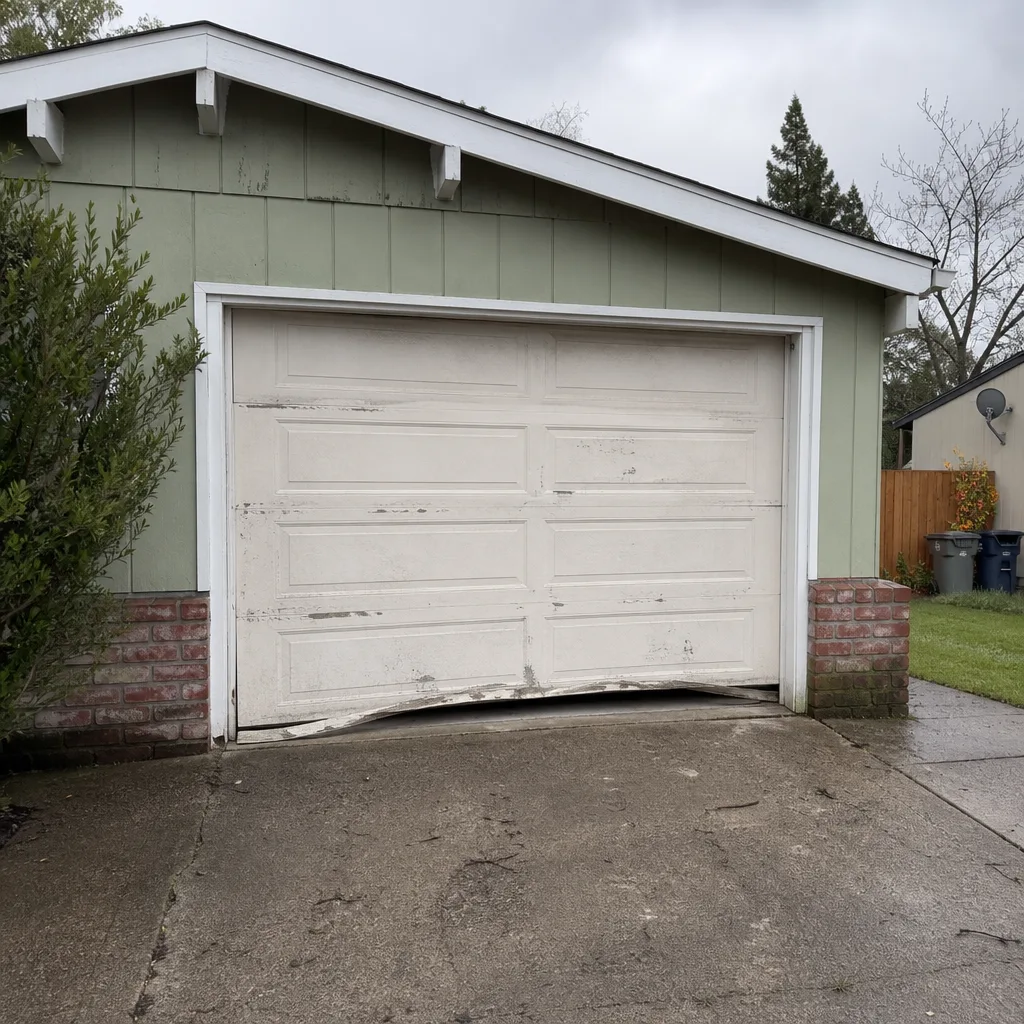 Before
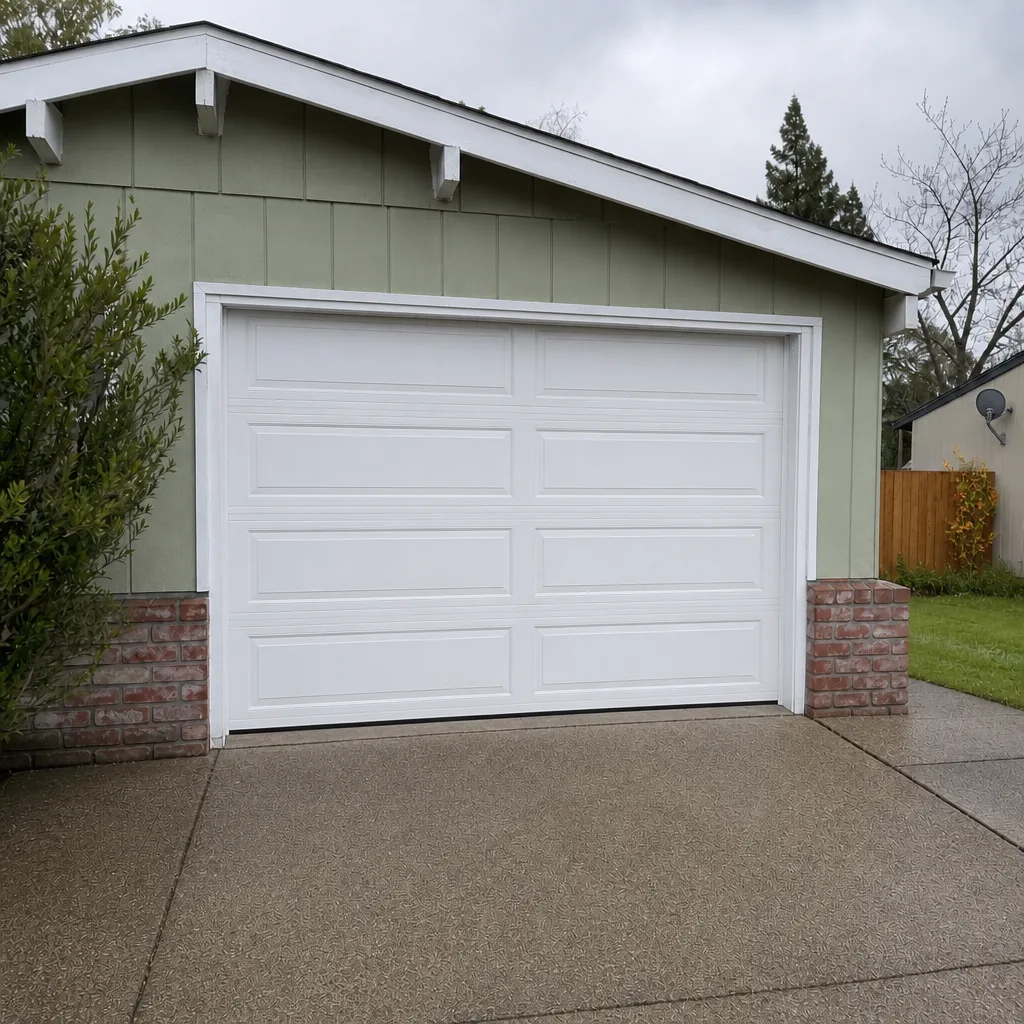 After
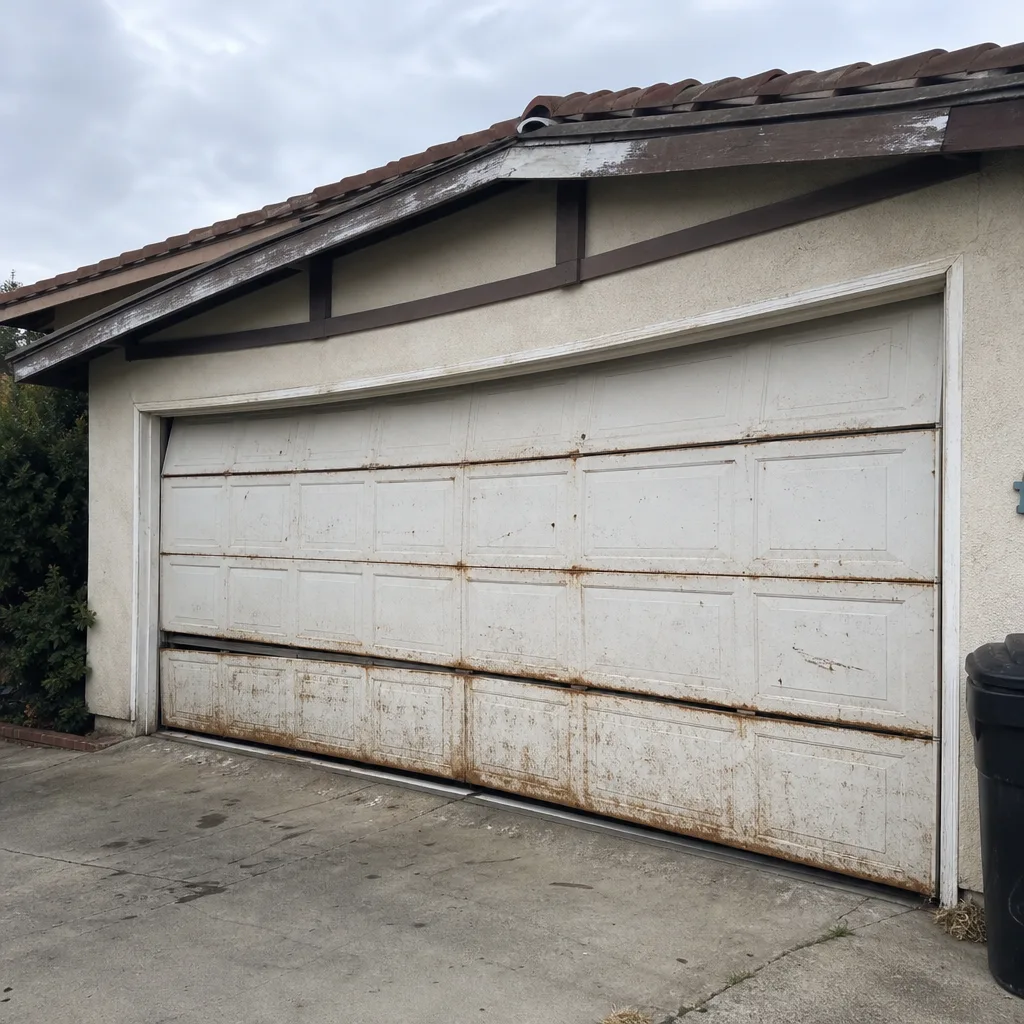 Before
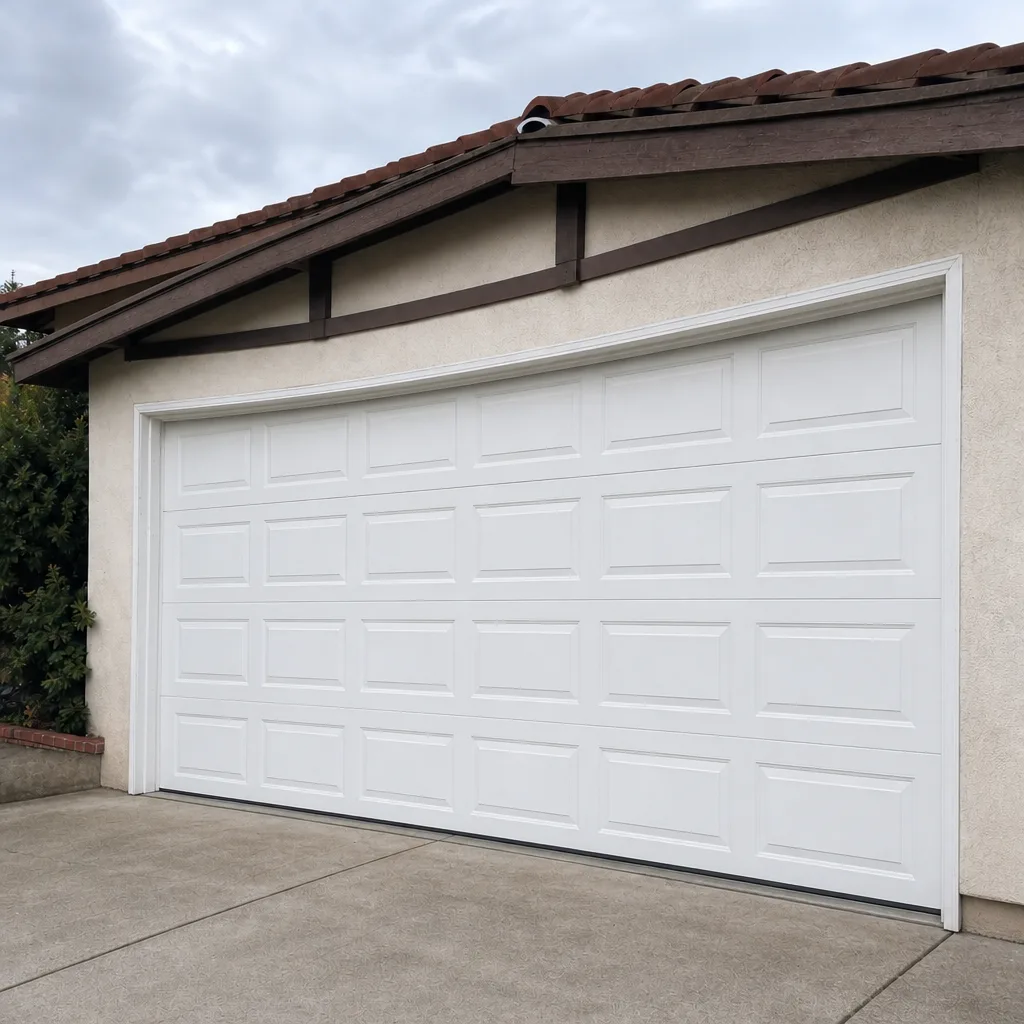 After
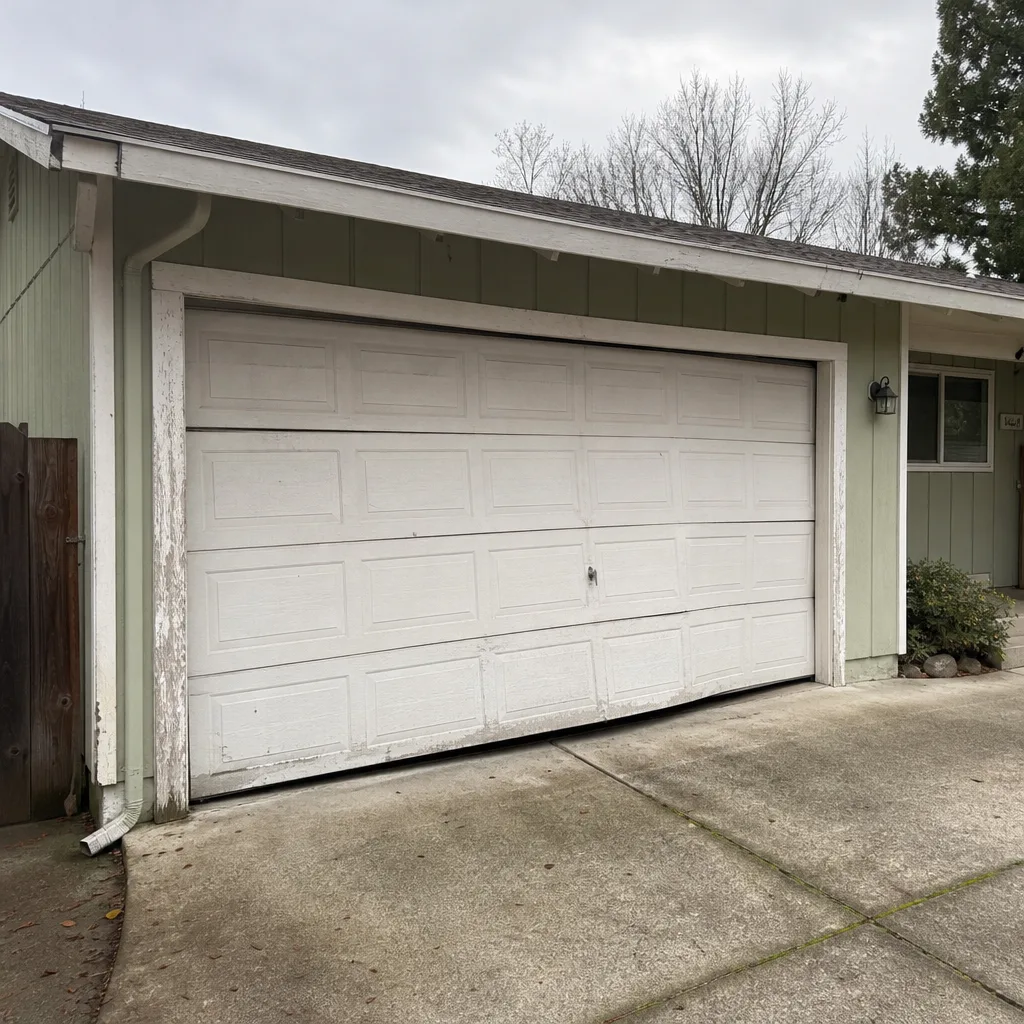 Before
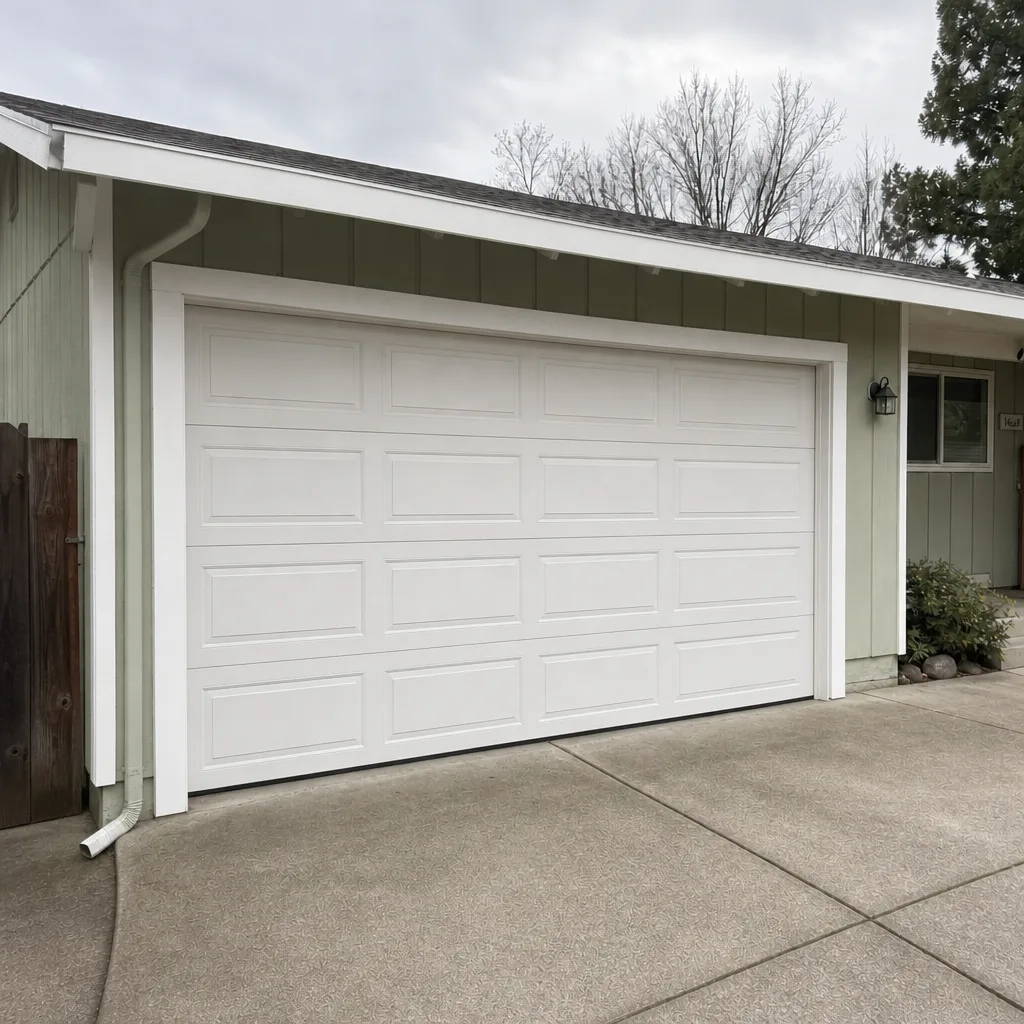 After