
Last updated November 4, 2026
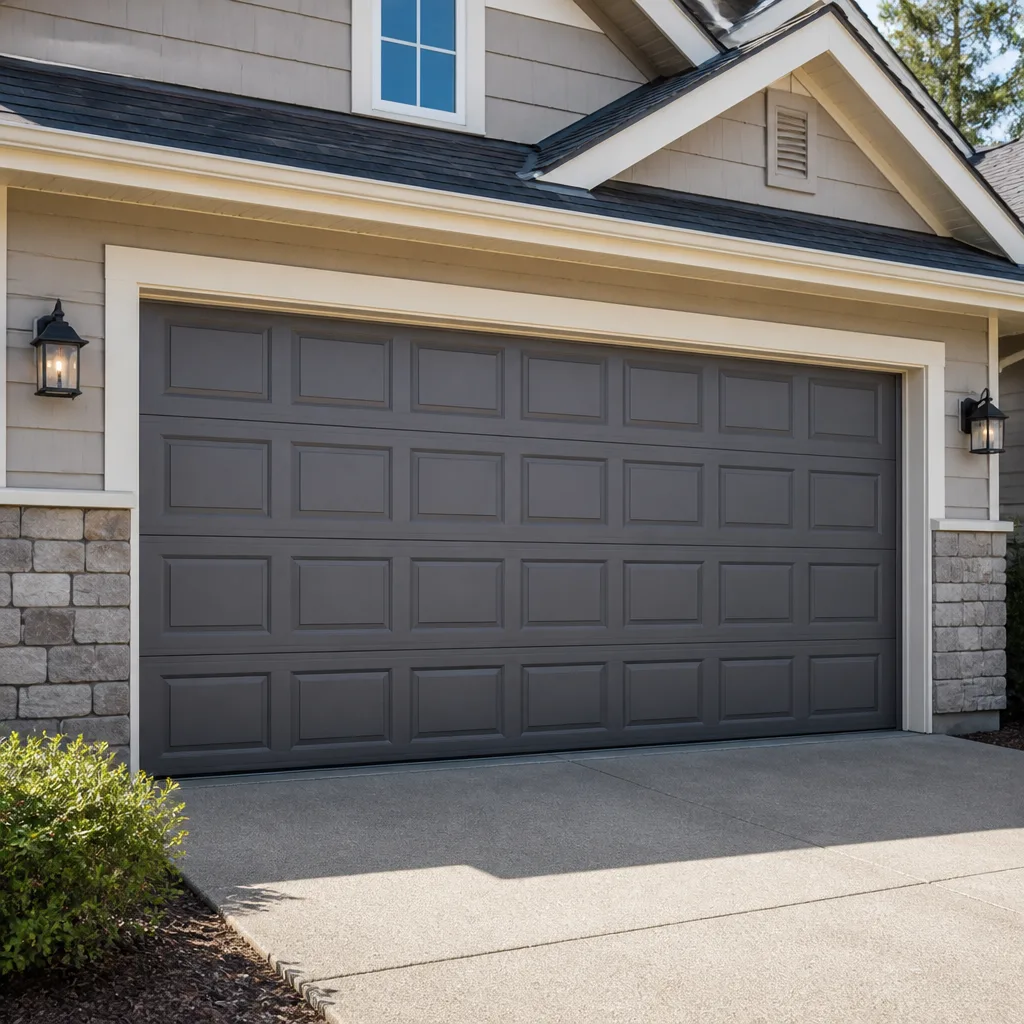 Raised-panel steel
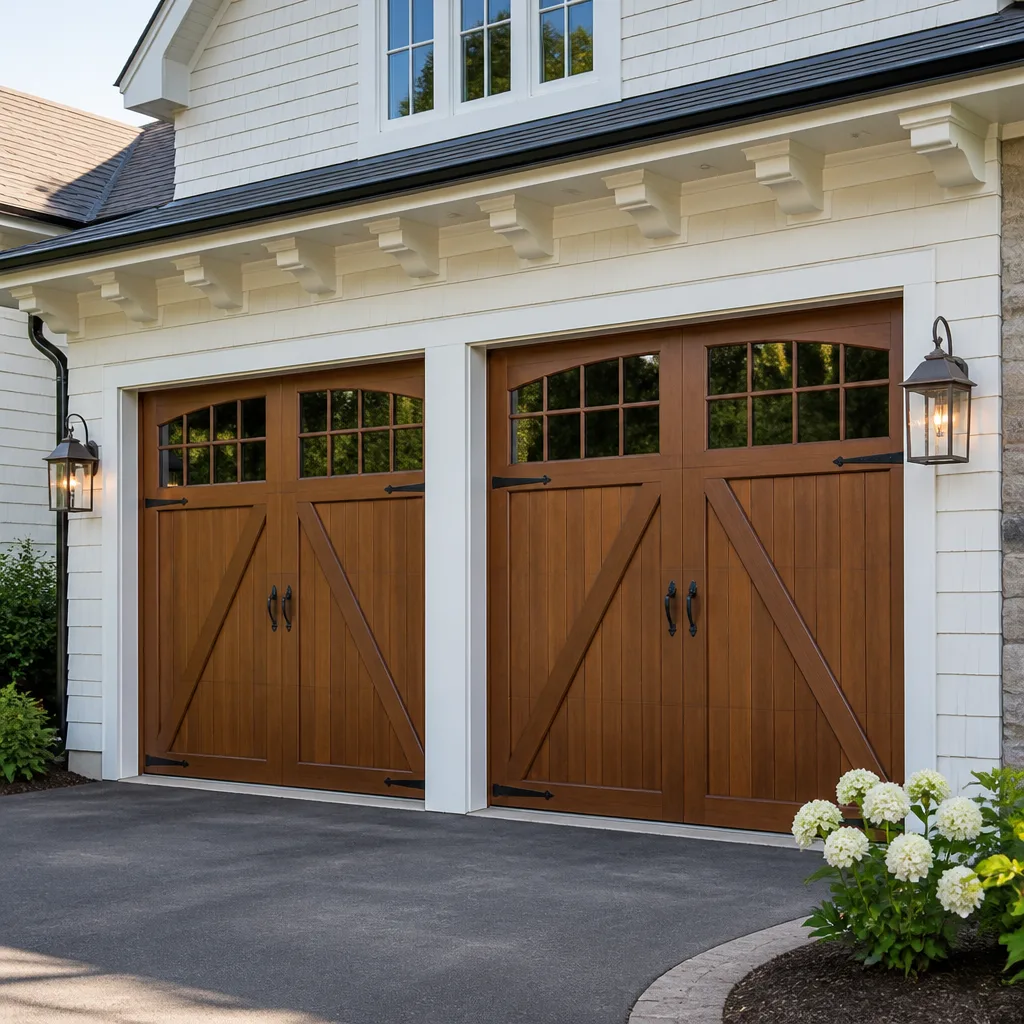 Carriage house
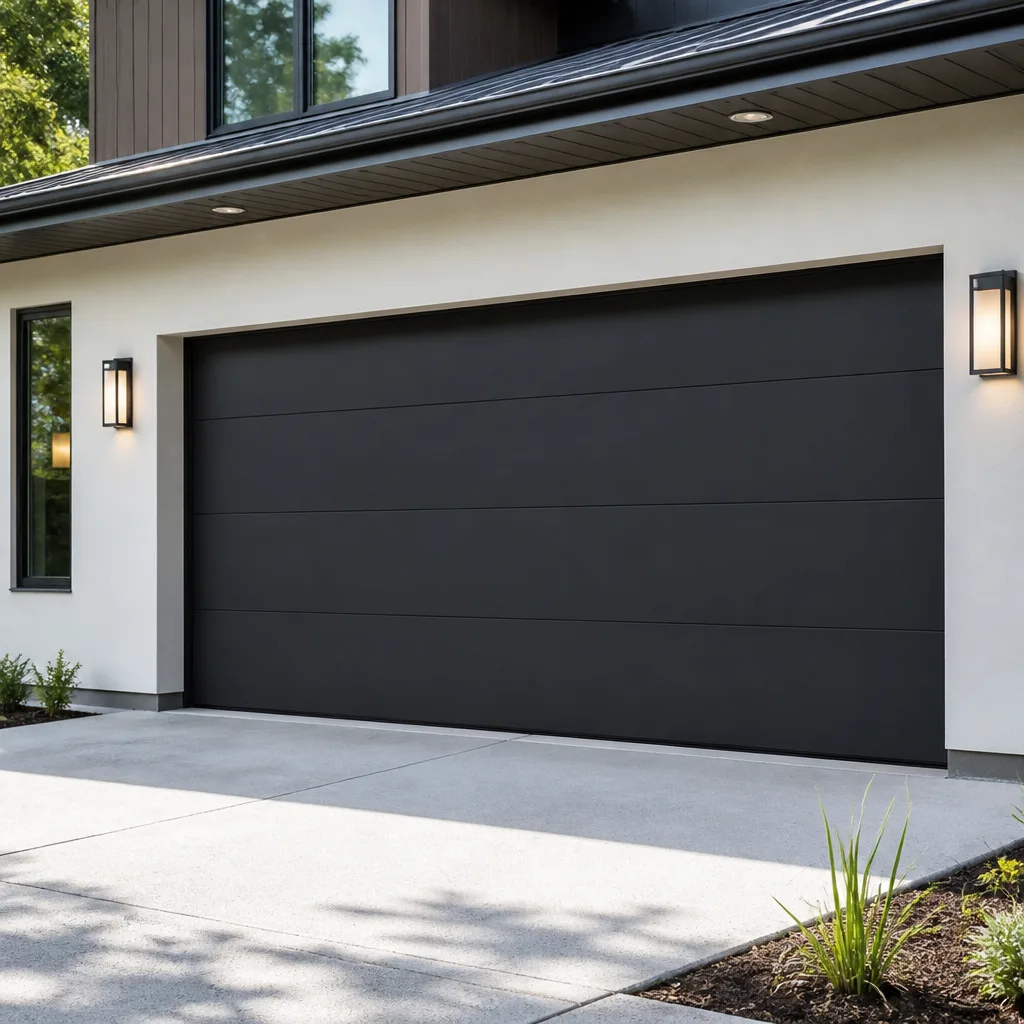 Modern flush
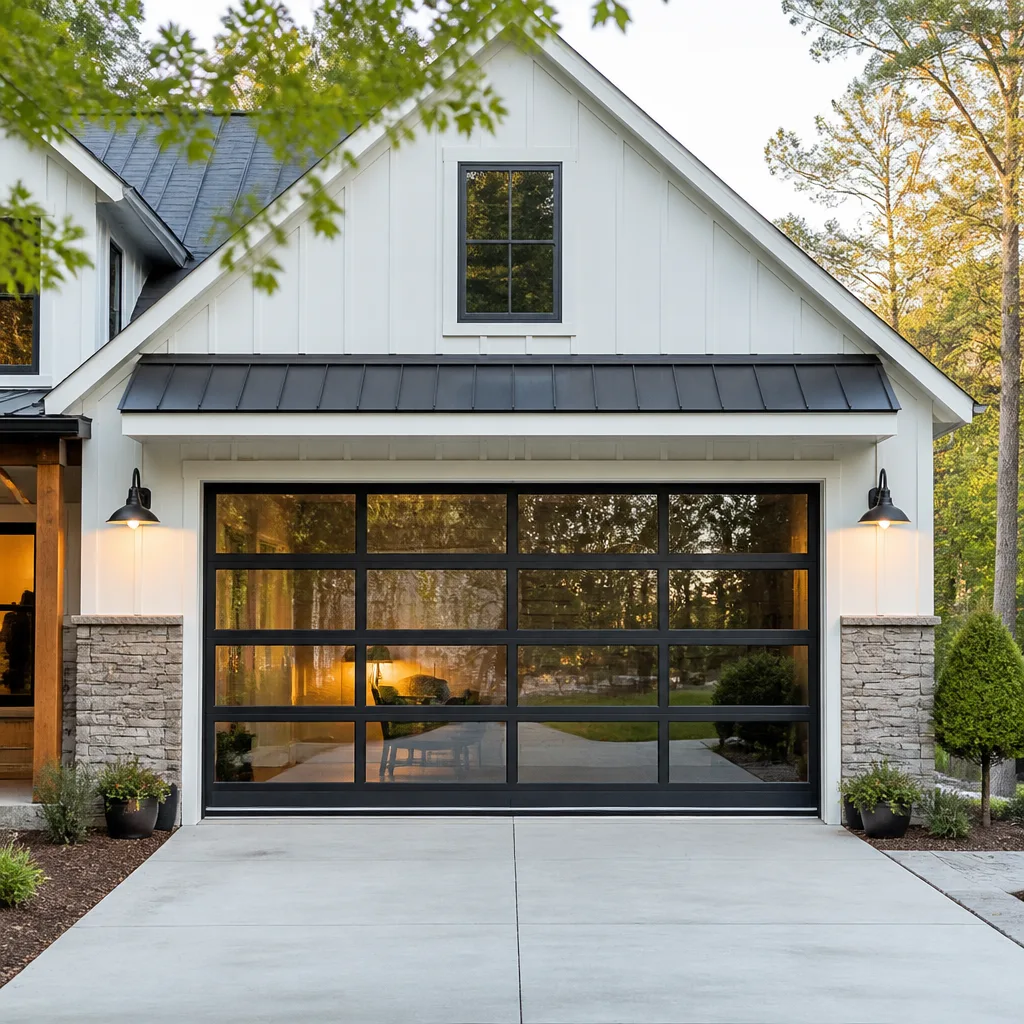 Full-view glass
 LiftMaster openers
 Chamberlain openers
Full 25-point door and opener safety check with every visit - springs, cables, rollers, tracks, and your LiftMaster or Chamberlain opener included
You get a price before we start. It does not change when the truck arrives.
Get your free estimateGarage Door Permits, Codes & Inspections in Evergreen, CA: What You Need to Know
Most Evergreen homeowners assume a garage door swap is simple enough to skip the paperwork. That assumption works great until a title search flags the unpermitted work during escrow, and a buyer’s financing stalls over a door you replaced three years ago. The fact is, California code treats garage doors as structural and safety components, not cosmetic accessories. This guide explains exactly when a permit is required in Evergreen, when it isn’t, which jurisdiction oversees your address, what inspectors actually check, and how to get the job through on the first pass without slowing your project.
Quick Answer
In Evergreen, California, replacing an entire garage door or altering the garage’s structural opening typically requires a building permit from either the City of San Jose or Santa Clara County, depending on your address. A like-for-like garage door opener swap, a panel on a sectional door, or routine spring and cable repair generally does not. Permits for door replacement usually cost between $85 and $250, and inspections are straightforward when the work meets current wind-load and safety-reverse requirements.
Styles & brands we work with
- Raised-panel steel
- Carriage house
- Modern flush
- Full-view glass
- LiftMaster openers
- Chamberlain openers
Table of Contents
- When Does a Garage Door Job Require a Permit in Evergreen?
- Which Authority Governs Your Evergreen Address: San Jose or the County?
- What California Building Code Requires of Garage Doors
- What Inspectors Actually Look At: First-Pass Approval
- How Unpermitted Work Gets Flagged in a Home Sale
- Who Pulls the Permit: Contractor or Homeowner?
- What Permits Cost and How Long They Take in Evergreen
- Common Mistakes to Avoid
- When to Call a Professional
- Frequently Asked Questions
When Does a Garage Door Job Require a Permit in Evergreen?
The line between a permitted and non-permitted garage door job in Evergreen comes down to one question: are you replacing a component, or are you replacing the assembly and its connection to the structure? California Residential Code distinguishes between like-for-like maintenance and work that modifies a building’s exterior envelope. A new door that fits the existing rough opening, uses the same mounting style, and does not alter framing is often treated as a replacement of equipment. A permit is triggered when the header, jambs, or opening dimensions change, when a new door is installed where none existed, or when a project includes electrical or structural modifications.
In our experience as a garage door specialist serving Evergreen, here is how the most common jobs land in practice:
- Garage door opener replacement: Generally no permit. Swapping a Chamberlain or LiftMaster opener for a newer unit in the same location does not require a permit in most Evergreen jurisdictions, though some HOAs require design review for equipment changes.
- Spring, cable, roller, or hinge repair: No permit. These are maintenance items, not structural changes.
- Panel replacement on a sectional door: Usually no permit if the door structure and track remain in place. Replacing a single damaged panel on a Clopay or Amarr door is considered repair.
- Full door replacement, same opening: This is the gray zone. Many Evergreen homeowners do this without a permit, and it often goes unnoticed. Technically, a full door replacement changes the wind-load and impact profile of the wall assembly, and the city or county may require a permit. Best practice is to check with the building department before starting.
- New door where none existed, or resizing the opening: Permit required. This is a structural change to the wall. No shortcuts.
- Adding a garage door to a carport or enclosing a garage: Permit required, often with additional plan check for structural and fire-safety compliance.
If you live in Evergreen and you’re not sure which side of the line your job falls on, call the building department for your address. A five-minute phone call now prevents a three-week escrow headache later. And if you’d rather not navigate the bureaucracy yourself, Ashton Garage Door Repair can help you determine whether your project needs a permit and coordinate the paperwork with the right jurisdiction.
Which Authority Governs Your Evergreen Address: San Jose or the County?
Evergreen is not a separate incorporated city. It is a district in East San Jose, which means most Evergreen addresses fall under the City of San Jose’s building permit jurisdiction. However, some parcels in the eastern and southern edges of the Evergreen valley, particularly around the foothills and older ranch properties, remain unincorporated Santa Clara County. The distinction matters because the two jurisdictions have different permit fees, inspection scheduling processes, and plan check timelines.
How to determine which authority applies to your Evergreen address:
- Check your property tax statement or utility bill. If it says “City of San Jose,” you’re in city jurisdiction. If it says “Santa Clara County” or “Unincorporated,” the county governs your permits.
- Look at your refuse and street services provider. San Jose addresses generally receive city services. Unincorporated pockets often contract separately.
- Call the San Jose Building Division first. Give them your address. If they don’t cover it, they’ll direct you to the county. This takes five minutes and gives you the definitive answer.
- Check the Santa Clara County GIS parcel map online. It shows jurisdictional boundaries down to the parcel level.
The permit threshold rules are broadly similar between the two agencies because both enforce the California Building Code. The fees and the wait times differ. San Jose’s online permit portal handles garage door replacements efficiently, often issuing same-week permits for straightforward resi jobs. The county tends to be a bit slower, especially for unincorporated hillside parcels where fire-wildland interface rules can add requirements.
Since Evergreen spans both jurisdictions, never assume your neighbor’s permit experience matches yours. A door replacement three blocks away may have gone through a completely different office than yours will.
What California Building Code Requires of Garage Doors
The California Building Code (CBC) and California Residential Code (CRC) govern garage door installations in Evergreen. The requirements are not arbitrary. They exist because a garage door is the largest moving wall in your house, and when it fails during a windstorm or a fire, the consequences extend beyond your property line.
Key code requirements that apply to garage door installations and major replacements in Evergreen:
Wind Load Design
The California Building Code requires garage doors to resist the design wind pressures for the site’s exposure category. Evergreen sits in a relatively protected inland valley, which keeps wind-load requirements moderate compared to coastal or hillside locations. However, homes on exposed ridges or in the eastern foothills of the Evergreen area may face higher exposure ratings. A door rated for a lower wind zone will not pass inspection if installed on a ridge where the design pressure is higher. This is one reason why full replacement door permits exist.
Safety Reverse System
Any garage door opener installed in California must have a listed safety reverse mechanism that stops and reverses the door upon contact with a 2-inch obstruction, and a photoelectric sensor that reverses the door without contact. Inspectors test both during a permitted installation inspection. If you’re replacing just the opener, this is why a new LiftMaster or Chamberlain unit with a current UL listing and working sensors matters. A Craftsman opener from 1998 won’t meet the standard, and swapping in another old unit won’t either.
Fire Separation
A garage door between a house and an attached garage functions as part of the fire separation assembly. In Evergreen, where many homes date from the 1960s to 1990s, the garage-to-house wall and door are required to resist fire for a specified duration. A replacement door on an attached garage should maintain or improve that rating. Hollow-core doors or doors without the proper label fail this requirement.
Egress and Obstruction
The code requires that garage doors not obstruct required exits, windows, or utility access. If your replacement door changes the swing, track, or storage clearances, the inspector will check that the area remains code-compliant.
This is not a complete code summary, and we are not code officials. The governing agency for your Evergreen address has the final word. But knowing these four areas prepares you for what the inspector will look at, and helps you avoid buying a door that cannot pass.
What Inspectors Actually Look At: First-Pass Approval
Most garage door inspection failures in Evergreen are not about the door. They are about the details around the door. Knowing what the inspector checks lets you get a first-pass approval and avoid a rescheduled appointment, which in Evergreen can mean another week or two of waiting.
Here is what a San Jose or Santa Clara County inspector typically verifies during a permitted garage door installation:
- Permit document on site. The permit card must be visible and the work must match the scope described in the application. Adding a new opener when the permit only covers a door replacement triggers a correction.
- Wind-load label on the door. The door must have a visible label or documentation showing the design pressure rating. The inspector compares it to the approved plans or permit notes.
- Safety reverse operation. The inspector blocks the door with a 2-inch object and confirms it reverses. Then they wave a hand through the photo-eye path and confirm the door stops or reverses. If the sensors are misaligned, the door will fail.
- Track and mounting hardware. Lags, brackets, and track fasteners must be appropriate for the wall material. Drywall-only mounting of a heavy door is a common defect. The inspector looks for washers, proper lag depth, and no stripped holes.
- Weather sealing and flashing. The perimeter seal and top of the opening must be properly flashed to direct water away from the wall assembly. Evergreen’s mild winters don’t bring ice or heavy rain, but the code requirement still applies. Gaps invite inspection corrections and, over time, rot.
- Electrical connections for the opener. The opener must be plugged into a GFCI-protected receptacle if the code requires it for that location, and the wiring must be secured. Extension cords are not allowed as permanent solutions.
- Fire separation, if applicable. For attached garages, the inspector verifies that the door meets the required fire rating and that any penetrations around the opening are sealed.
We have seen inspections pass on the first visit when the installer knew the code points in advance. We have also seen them fail over a missing label or a misaligned photo eye. A few minutes of pre-inspection checking is cheaper than a reinspection fee and a week of delay.
How Unpermitted Work Gets Flagged in a Home Sale
This is the section Evergreen homeowners ask about most often, and the one that causes the most financial pain when ignored. Unpermitted garage door work typically surfaces in one of three ways during a real estate transaction in Evergreen’s competitive market.
First, the buyer’s home inspector notes that the door is newer than the permit record. Experienced inspectors in Evergreen know what was permitted and what was not, and they flag doors that look newer than the city’s permit history for the address. This triggers a request for the seller to provide the permit, or a credit for remediation.
Second, title or escrow pulls the building permit history. When the county or city record shows no permit for a door that the seller disclosure says was replaced, the discrepancy becomes a condition of closing. The buyer can demand that the seller obtain a retroactive permit before escrow closes, and in a fast-moving Evergreen transaction, that delay can be measured in weeks.
Third, the appraisal notes significant unpermitted work and the lender conditions the loan on permit closure. This is the worst case because it involves the bank, not just the buyer and seller. A lender will not fund over unpermitted structural changes, and the sale stalls until the permit is issued and the inspection passes.
Remediation for an unpermitted garage door in Evergreen usually looks like this:
- The current homeowner applies for a retrofit permit with the governing agency.
- The agency reviews the door’s wind-load and fire-separation documentation. If the installed door meets current code, the permit is issued and an inspection is scheduled.
- If the door does not meet code, the homeowner replaces it with a compliant unit.
- The inspector approves the work and the permit is closed.
- Escrow resumes and the sale closes, often with the seller paying the permit and inspection costs plus any buyer credits negotiated during the delay.
None of this is difficult if handled on the front end. The permit fee for a typical garage door replacement in Evergreen’s jurisdictions is modest, and the inspection takes under an hour. The expensive part is the repair of a lost transaction, not the permit itself.
Who Pulls the Permit: Contractor or Homeowner?
The legal answer in California is that the property owner is ultimately responsible for ensuring all work on the property is properly permitted. That responsibility does not transfer to a contractor. If unpermitted work is discovered later, the owner is the one who must remediate it, regardless of what the contractor said or did not say at the time.
In practice, most garage door companies in Evergreen handle permit applications for replacements as part of the installation service. The contractor prepares the scope of work, pulls the permit under their license, schedules the inspection, and meets the inspector on site. The homeowner pays the permit fee at cost, or the fee is itemized in the estimate.
What homeowners should verify before the job starts:
- Is the contractor licensed in California? A contractor’s license is required for any job over $500 including labor and materials. Ask for the license number and verify it with the Contractors State License Board. We are licensed and insured, and you are welcome to check.
- Who will pull the permit? If a contractor says no permit is needed for a full replacement, verify that with the building department yourself. It’s your house and your escrow that gets flagged, not theirs.
- What does the permit fee cover? The permit fee is separate from the labor and door cost. Confirm whether the estimate includes the fee or bills it separately.
- Who handles the inspection scheduling? A good contractor schedules the inspection and is present for it. You should not have to take a day off work just because the installer won’t show.
The homeowner’s role is to ensure the permit exists and the work passes. The contractor’s role is to execute the work to code and manage the permit process. Both roles are necessary, and a garage door repair specialist who handles the paperwork correctly is worth more than a discount quote from a company that skips it.
What Permits Cost and How Long They Take in Evergreen
Garage door permit fees in the San Jose and Santa Clara County jurisdictions that cover Evergreen typically range from $85 to $250 for a standard residential door replacement. The lower end applies to straightforward like-for-like swaps in a non-wildland area. The higher end applies to jobs that require plan check, such as resizing an opening or installing a door in a fire-wildland interface zone in the Evergreen foothills.
Timelines in our experience serving Evergreen:
- Same-week over-the-counter permits: Simple door replacements with clear documentation often issue within 2 to 5 business days through the online portal.
- Plan check permits: Opening resizes, new door installations, or hillside parcels requiring additional review typically take 2 to 4 weeks.
- Inspection scheduling: Once the work is done, inspection appointments in the city usually land within 1 to 2 weeks. The county can run slightly longer in summer, when construction volume peaks.
Your estimate should list the permit fee separately from the door and labor, and the final written price should be clear before work begins. If a contractor bundles the permit fee into a round number without itemizing it, ask for the breakdown. The written estimate is the price you agree to, and anything unclear should be clarified before the door goes on the truck.
Common Mistakes to Avoid
- Assuming a full door replacement never needs a permit. Most Evergreen homeowners get away with it, but the ones who don’t find out during escrow. Verify with the building department for your address before the work starts.
- Hiring an unlicensed installer to save money. Unlicensed work cannot be permitted under a contractor’s license, which means the permit process falls entirely on you. In a city where a Raynor door with a Craftsman opener is still a common mixed-brand setup, the work itself often needs a level of skill a weekend installer doesn’t have.
- Buying a door without checking the wind-load rating. A cheap door without the proper label fails inspection, and you’ve already paid for the door and the install. Check the rating before you buy.
- Ignoring the photo-eye and safety reverse on an opener replacement. Even a brand-new LiftMaster fails inspection if the sensors are misaligned or the force setting is too high. Test both before the inspector arrives.
- Waiting until the week before closing to get a retrofit permit. Permit timelines in Evergreen’s busiest months can stretch past an escrow deadline. Handle the permit at installation time, not years later.
- Confusing HOA rules with city permits. Some Evergreen communities have design review requirements that are separate from and additional to city or county permits. Check both before replacing a highly visible door.
- Paying a contractor without confirming the permit was pulled and the inspection closed. A closed permit is the proof of compliance. Keep a copy of the final inspection sign-off with your home records.
When to Call a Professional
If your garage door replacement involves resizing an opening, a new door where none existed, a hillside parcel with wildland-interface requirements, or a mixed-brand system with an older Chamberlain opener and a newer Raynor door, call a garage door specialist who handles permits as a routine part of the job. The same applies if you bought a house and discovered the prior owner replaced the door without a permit. We work on all major garage door brands including LiftMaster, Chamberlain, Craftsman, Raynor, Clopay, Amarr, Wayne Dalton, and Genie, so we don’t need to hand the job to someone else because of the equipment on your wall. From the spring to the smart opener, our company covers the entire door system. Garage door opener repair and full replacement installations are both core services. Ashton Garage Door Repair offers free estimates in Evergreen. Call (833) 400-0995. We answer 24/7. Fast dispatch from 7am to 7pm, Sunday through Friday.
Frequently Asked Questions
A permit is required when the job changes the structural opening, installs a door where none existed, or moves from a non-rated to a rated fire-separation requirement. A like-for-like door replacement may not require one, but you should confirm with the building department for your Evergreen address before starting. Call (833) 400-0995 and we can help you determine the right path.
Permit fees for a typical residential garage door replacement in the San Jose and Santa Clara County jurisdictions covering Evergreen generally run from $85 to $250. Larger projects requiring plan check fall at the upper end or beyond. The fee is separate from door and labor costs, and your written estimate should itemize it.
In most cases, replacing a garage door opener with a new unit in the same location does not require a permit in Evergreen, provided no electrical or structural changes are made. The new opener must still meet current safety reverse and photo-eye requirements. If you’re replacing a Chamberlain or LiftMaster unit and you’d like the job done to code, call (833) 400-0995.
The buyer’s inspection, title search, or appraisal can flag the discrepancy, and the sale may stall until the seller obtains a retrofit permit and passes inspection. In Evergreen’s real estate market, that delay can cost a transaction. A permit obtained at installation time costs under a few hundred dollars and takes days; remediation during escrow takes weeks.
Yes, a licensed contractor can pull the permit and manage the inspection process for you. The property owner remains legally responsible for ensuring the work is permitted, which is why you should verify that the permit was issued and the final inspection was signed off. It’s your house and your escrow that gets flagged, not the contractor’s.
Inspectors verify that the door meets wind-load code, the opener’s safety reverse and photo-eye function correctly, the track and mounting hardware are properly secured, the permit document is on site, and fire separation requirements are met for attached garages. Preparing those items in advance helps you get a first-pass approval. Call (833) 400-0995 for a free estimate on a permitted installation.
The Bottom Line
Garage door permits in Evergreen are not complicated, but they are not optional when the job crosses into structural territory. The governing agency depends on your address: most Evergreen parcels are City of San Jose, some are Santa Clara County. Permit fees are modest, the inspection is straightforward, and the cost of skipping the process shows up years later at the worst possible time, during escrow. If you’re replacing a door, resizing an opening, or installing a door where none existed, confirm the permit requirement first. If you’re repairing springs, cables, rollers, or swapping an opener, you’re usually clear. When in doubt, call the building department or call us. We’ve been serving Evergreen since 2013, and we’d rather help you do the paperwork right the first time than watch a sale fall apart over an $85 permit.
Written by the team at Ashton Garage Door Repair, serving Evergreen since 2013.
See the difference
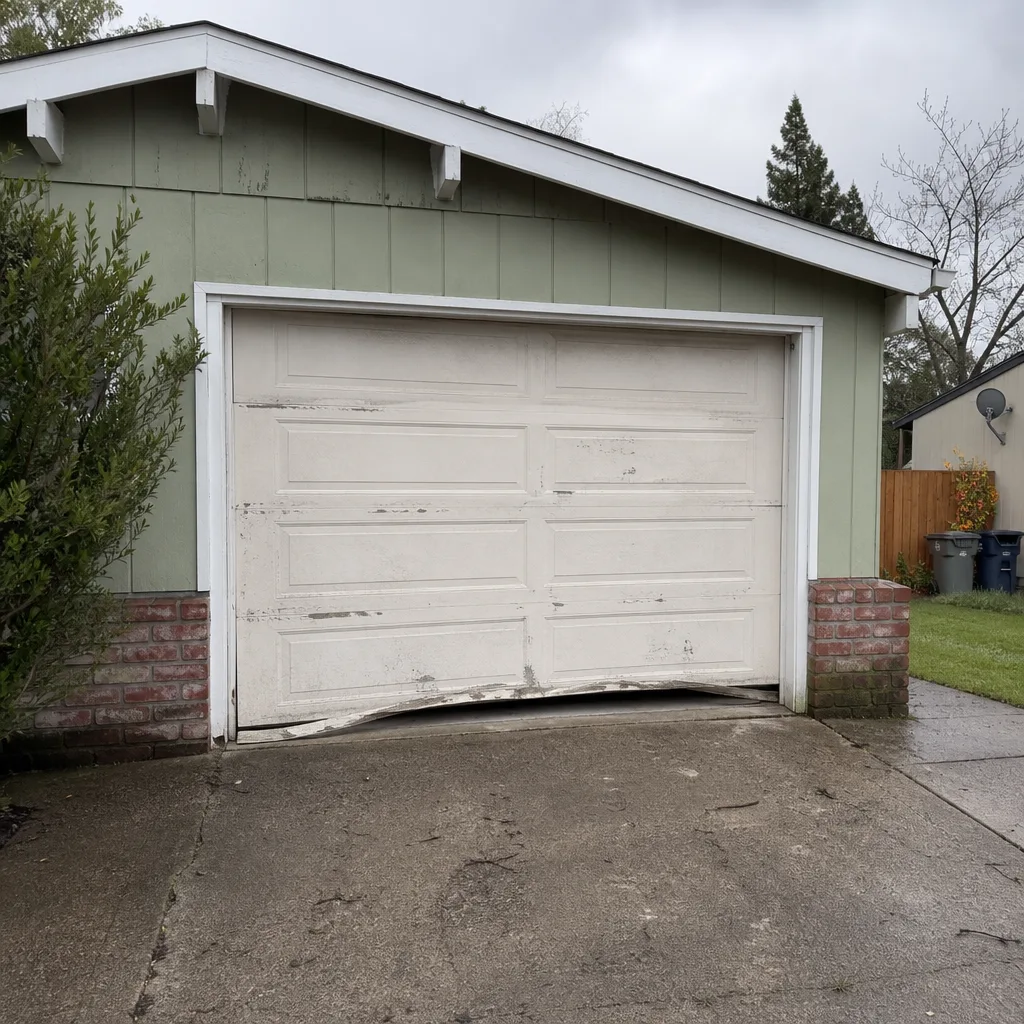 Before
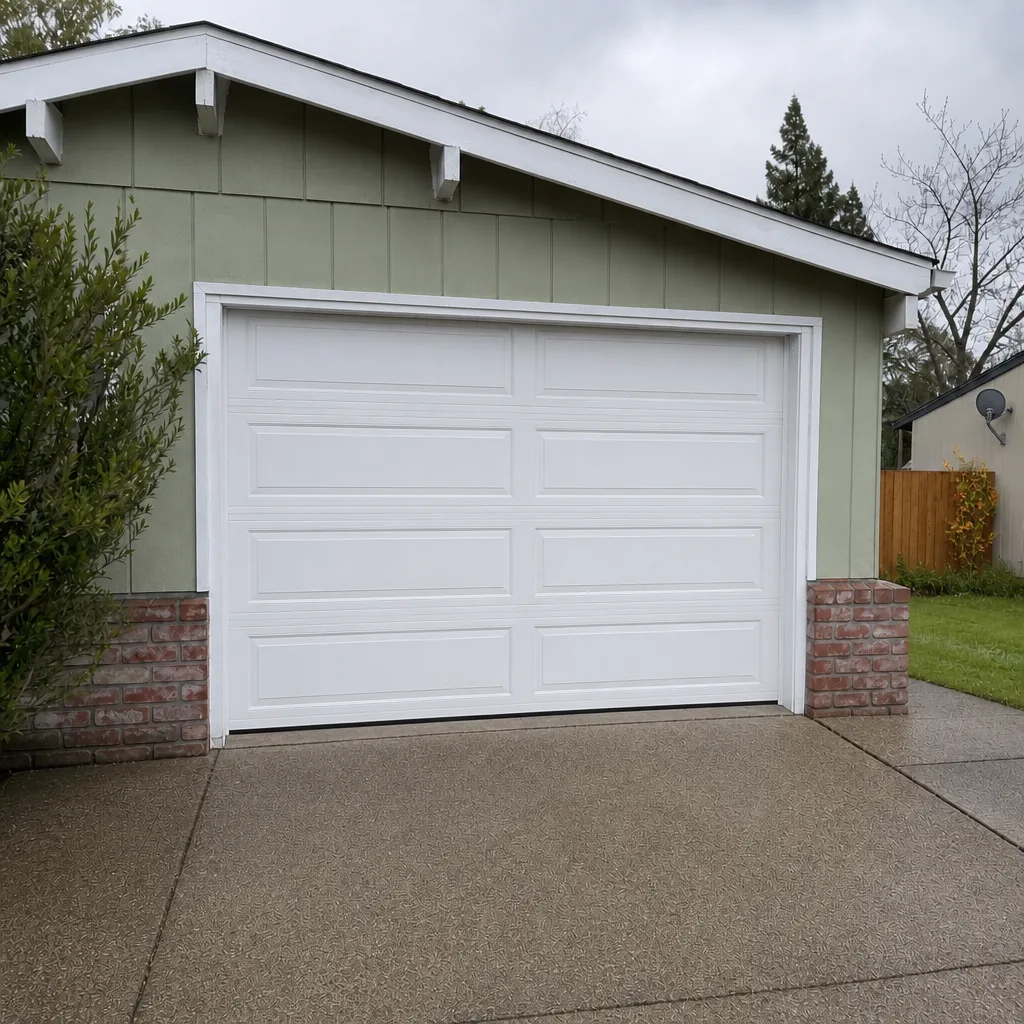 After
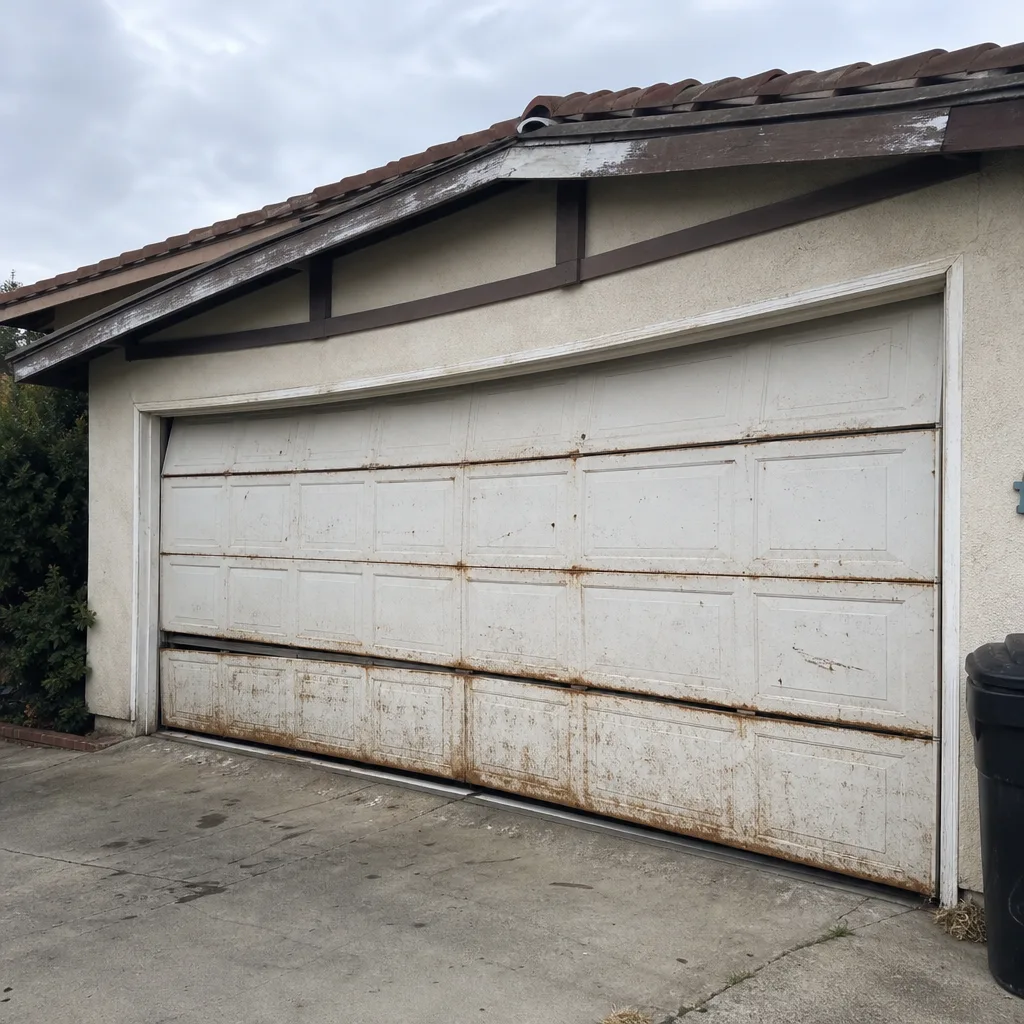 Before
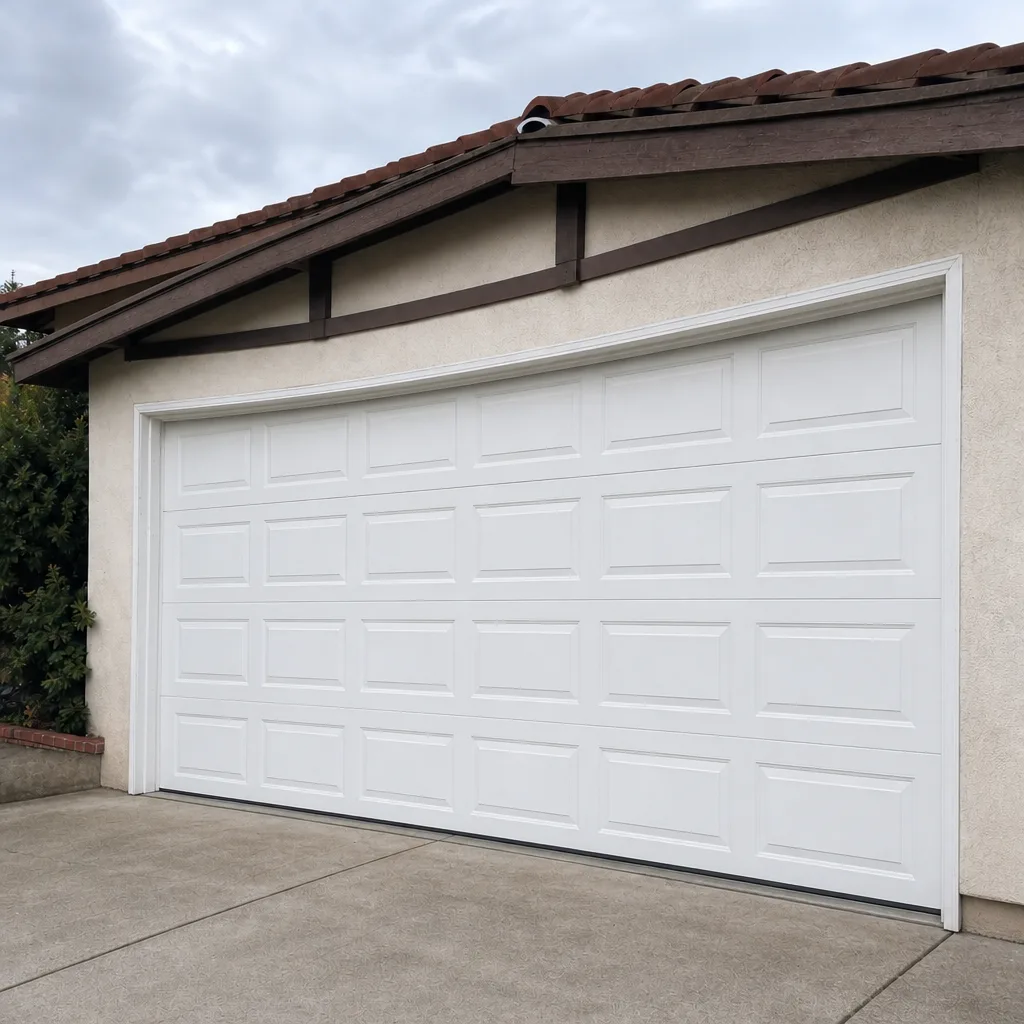 After
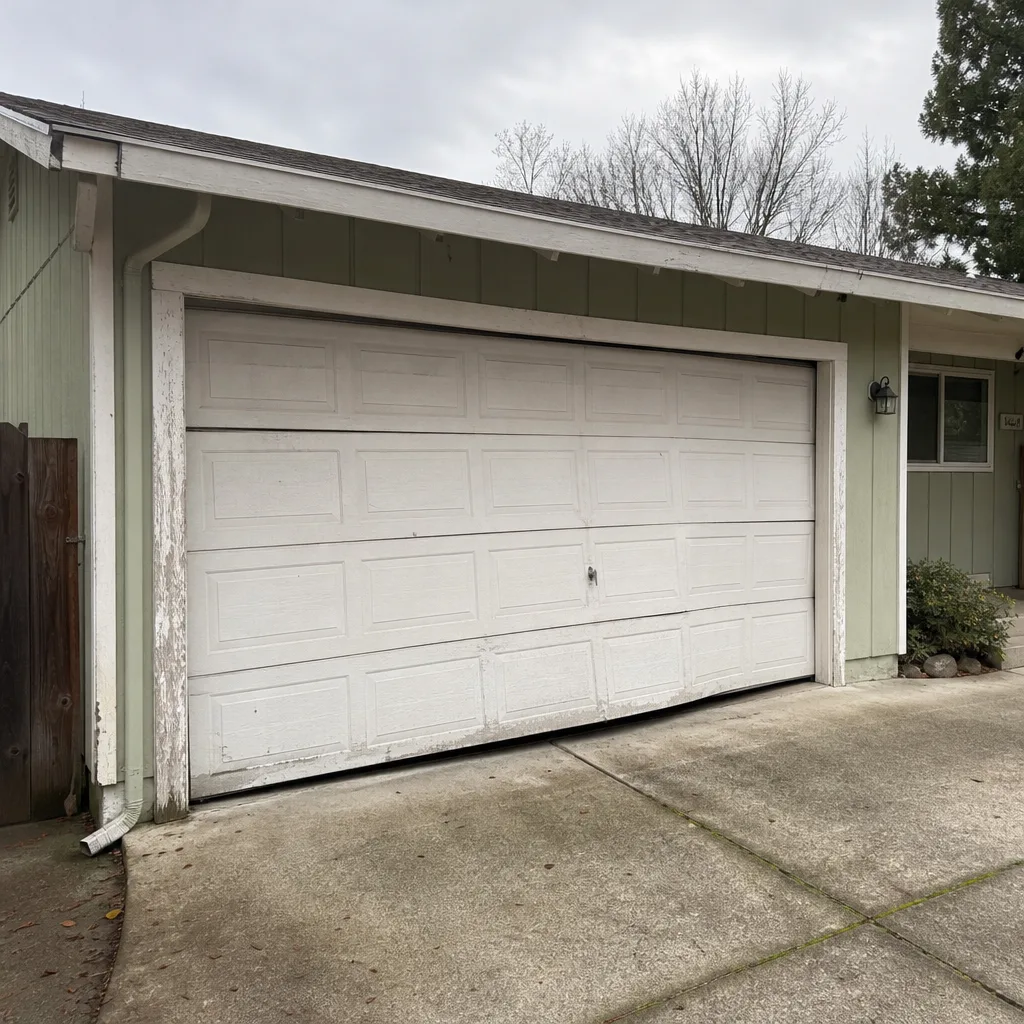 Before
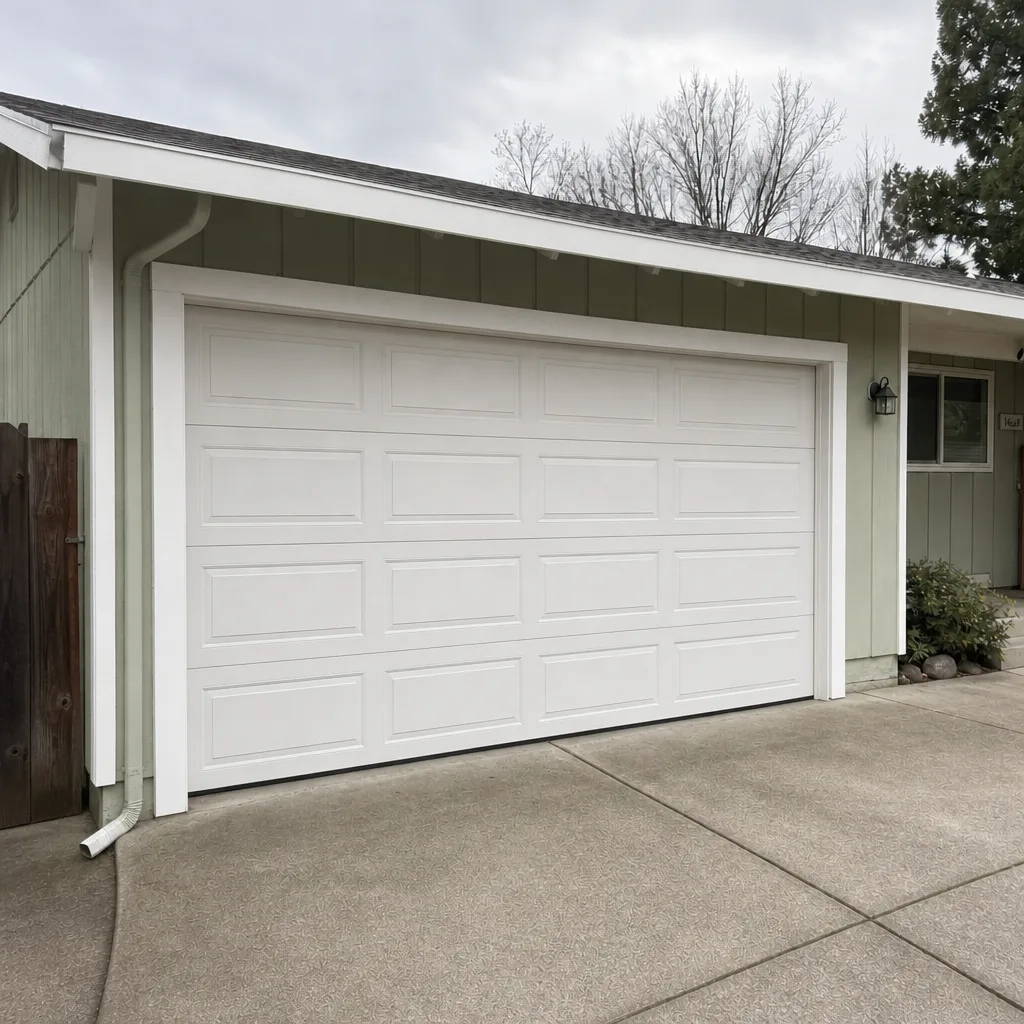 After