
Last updated November 4, 2026
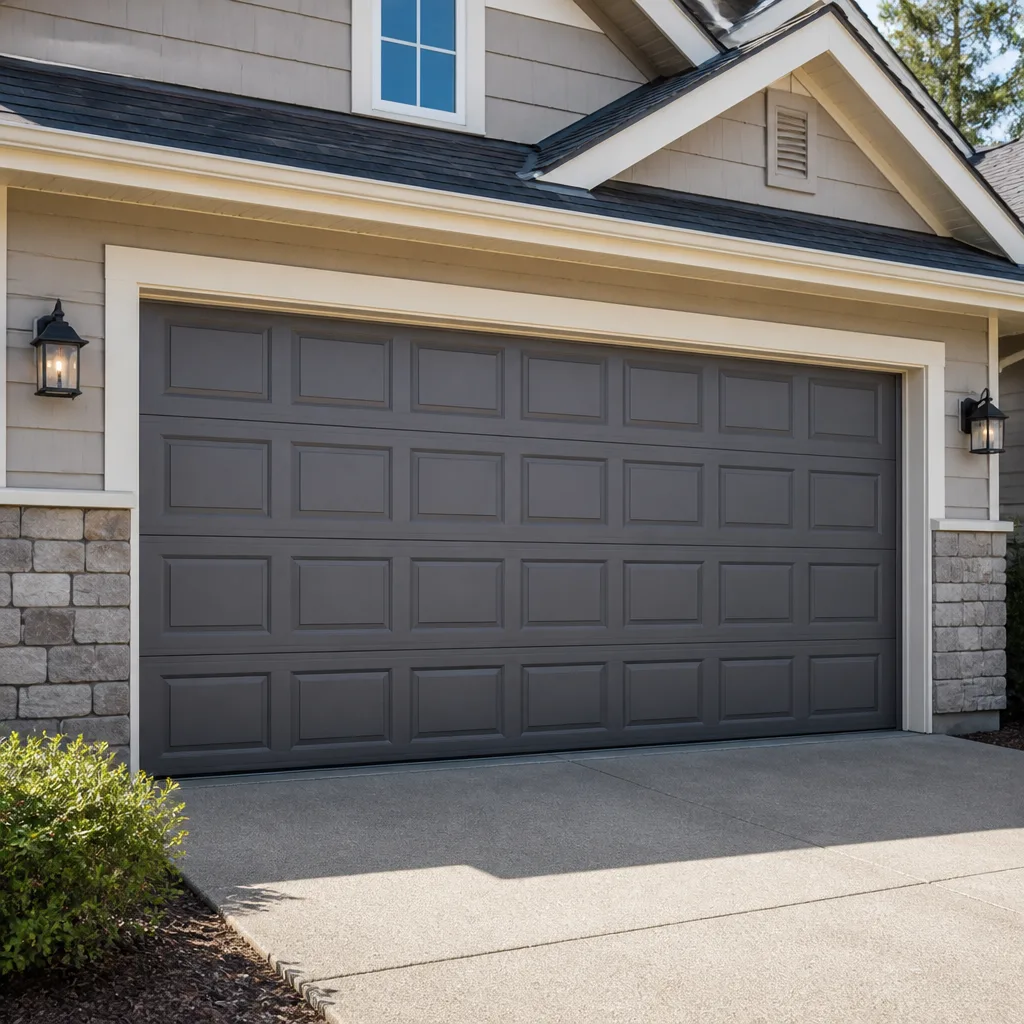 Raised-panel steel
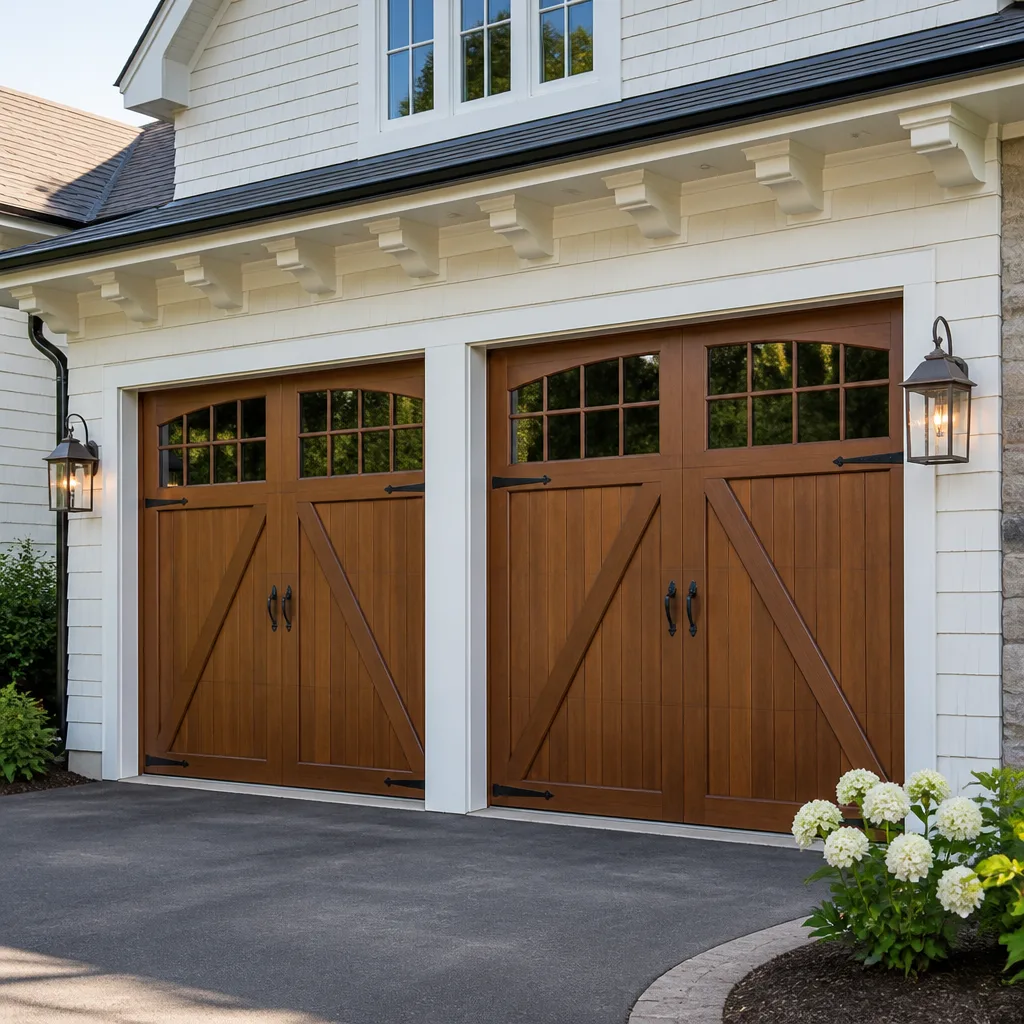 Carriage house
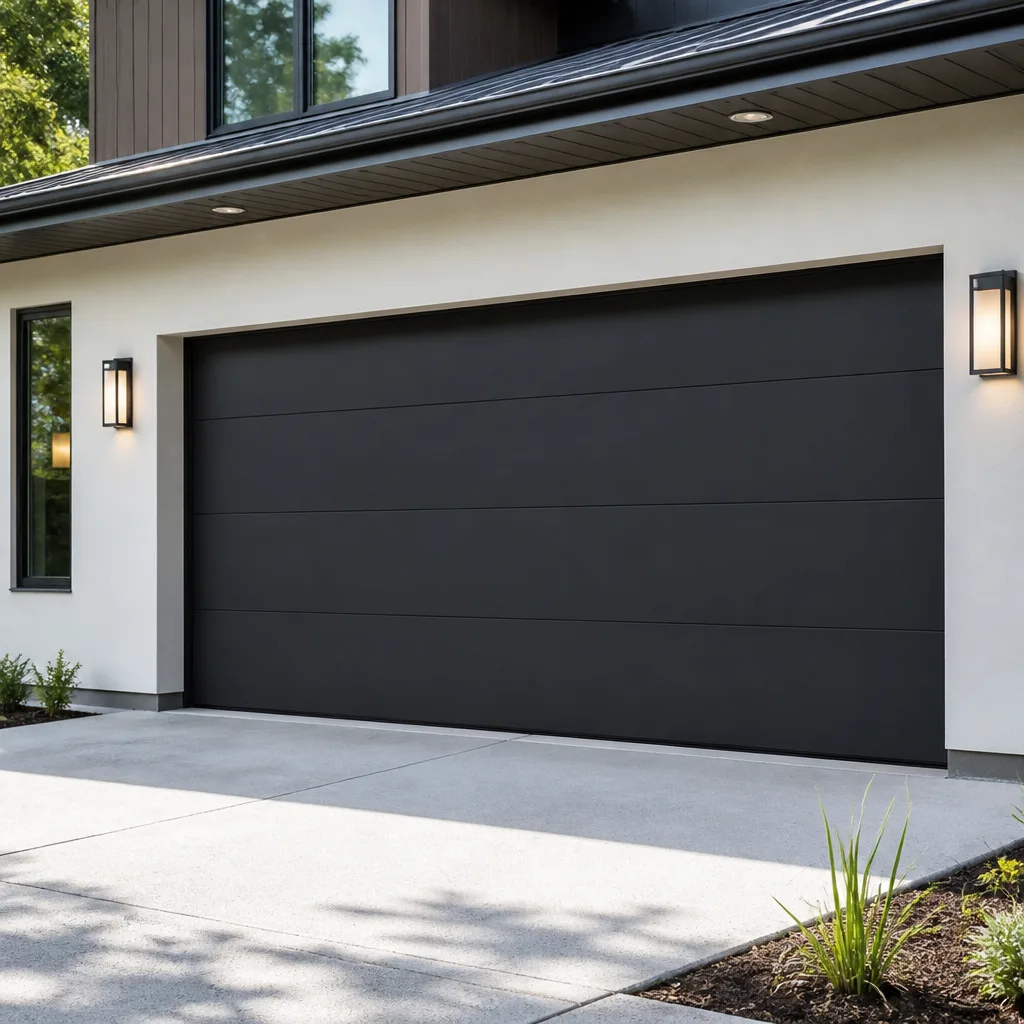 Modern flush
 Full-view glass
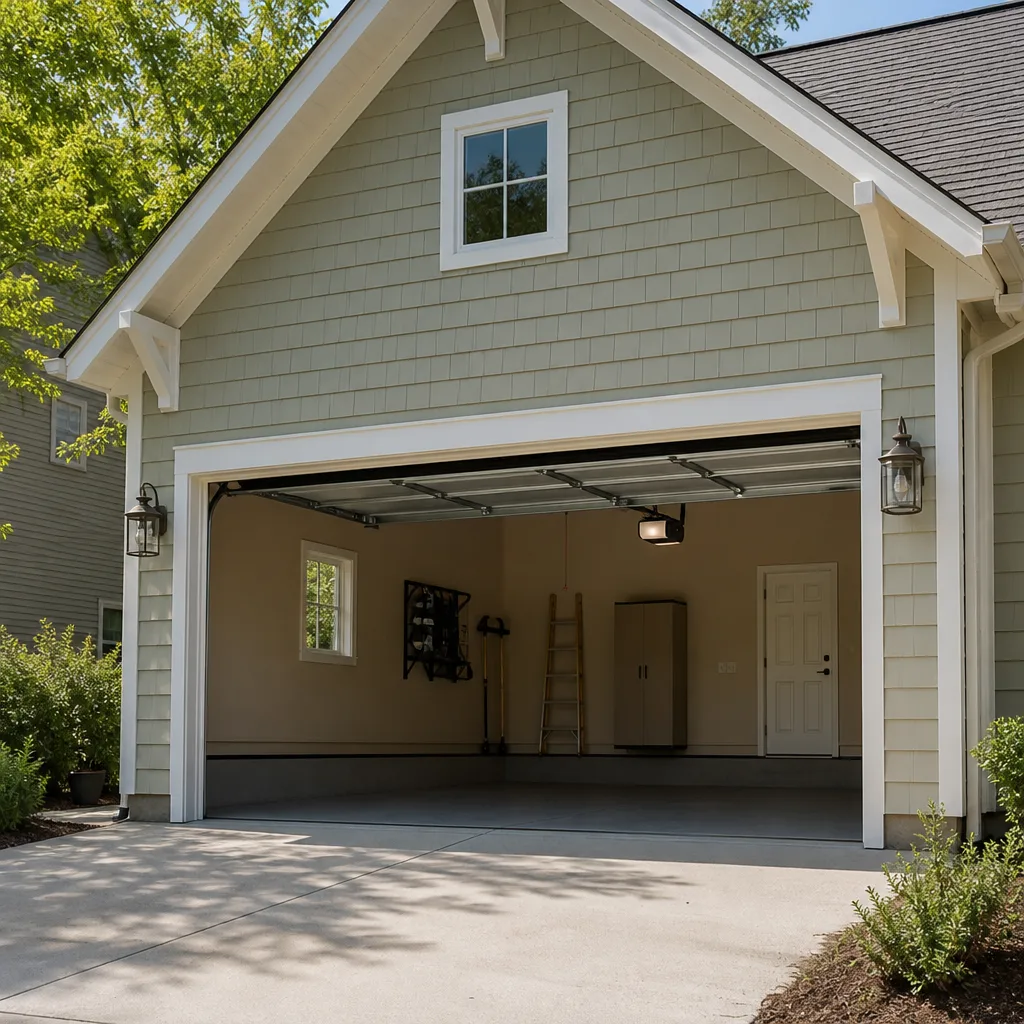 LiftMaster openers
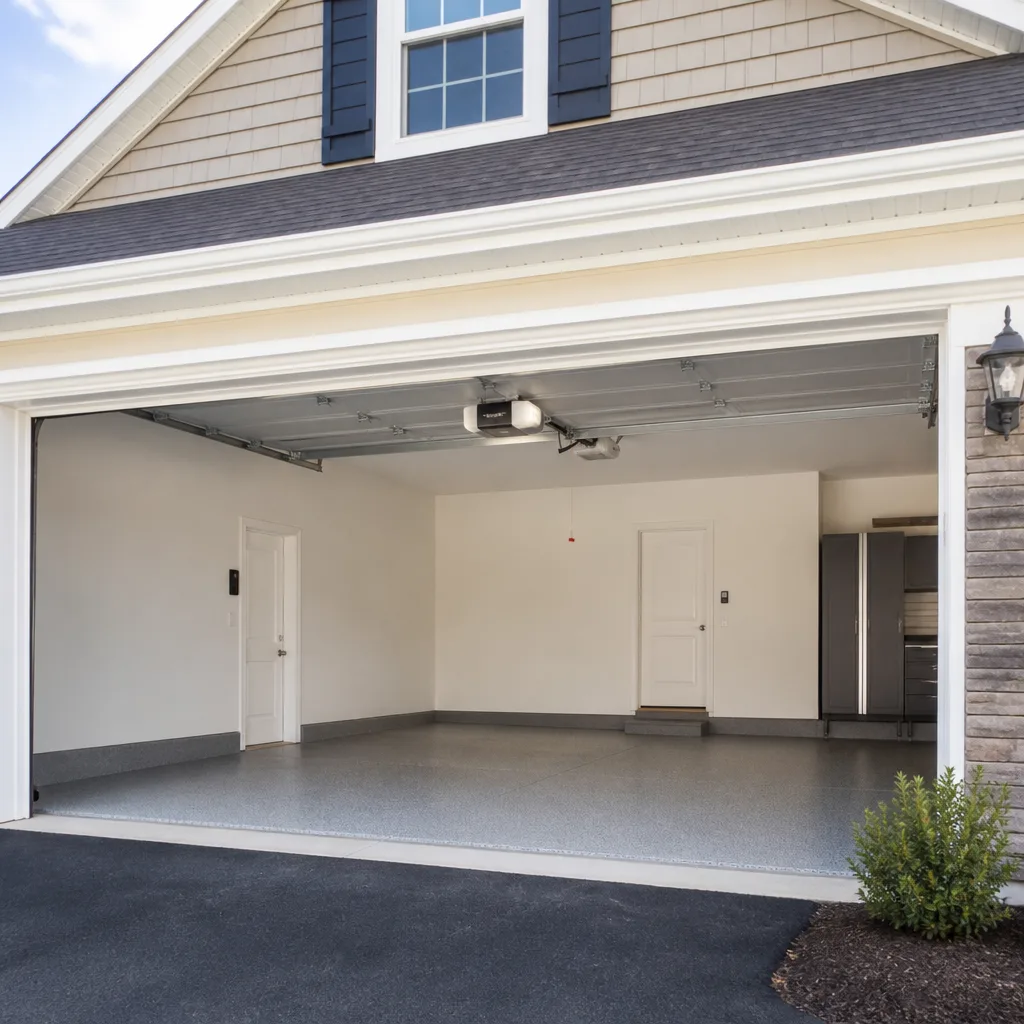 Chamberlain openers
Full 25-point door and opener safety check with every visit - springs, cables, rollers, tracks, and your LiftMaster or Chamberlain opener included
You get a price before we start. It does not change when the truck arrives.
Get your free estimateGarage Door Emergency Preparedness Guide for Evergreen Homes
Most Evergreen homeowners think a garage door emergency means a snapped spring on a Tuesday morning. The truth is messier: the worst failures happen during power shutoffs, after earthquakes, or when a car is trapped and the manual release cord has never been touched once. This guide covers what to do when the opener is dead, the door is off its tracks, or the frame shifted overnight, and it explains each step in plain language so you can act without making the problem worse. We’ve put this together from years of repairing doors across Evergreen, where the hills, the PG&E service area, and the age of many homes all shape how garage doors fail. You’ll learn how to operate the emergency release correctly, what to inspect after a quake, which battery backups actually hold up, and how to secure a door that won’t close until help arrives.
Styles & brands we work with
- Raised-panel steel
- Carriage house
- Modern flush
- Full-view glass
- LiftMaster openers
- Chamberlain openers
Quick Answer
A garage door emergency in Evergreen usually means one of four things: a broken spring, a door off its tracks, a dead opener during a power shutoff, or post-earthquake frame damage. Pull the red manual release cord only after disengaging the opener, never force a door that is visibly off its tracks, and secure any gap with temporary blocking while you call for repair. The most important preparation is knowing where the release cord is and testing it before you actually need it.
Table of Contents
- Before the Emergency: What Every Evergreen Homeowner Should Do This Week
- How to Operate the Manual Release Cord Correctly
- Power Shutoffs in Evergreen: Battery Backup and Manual Operation
- Post-Earthquake Garage Door Inspection: What to Check Before You Operate
- Door Off Its Tracks: The Safe Interim Response
- How to Secure a Door That Won’t Fully Close
- Broken Springs: What They Sound Like and Why You Shouldn’t Touch Them
- Common Mistakes to Avoid
- When to Call a Professional
- Frequently Asked Questions
- The Bottom Line
Before the Emergency: What Every Evergreen Homeowner Should Do This Week
Preparation costs nothing and takes less than twenty minutes. The goal is simple: when the power is out, the door is stuck, and you’re already late, you should know exactly what to do without needing to watch a video first. Start with the manual release cord. It hangs from the opener rail, usually a red T-handle, and it disconnects the door from the opener carriage so you can lift the door by hand. Test it once. Pull the cord, lift the door halfway, and let it rest. Then reconnect by running the opener until the carriage clicks back onto the trolley. If you’ve never done this, do it now while the door is working, not during a PSPS event in the dark.
Next, check the emergency release’s condition. In our experience, the cord itself gets brittle with age, and the T-handle sometimes goes missing after years of people bumping it with car roofs. If yours is frayed or gone, a garage door repair visit can replace it quickly. Third, photograph your door’s balance. Pull the release, lift the door to waist height, and let go. A well-balanced door stays put; one that drops or shoots up has a spring problem waiting to become an emergency. Finally, store a flashlight and a pair of work gloves near the interior garage door. Those two items solve half the problems caused by darkness and sharp metal edges.
Evergreen homes range from 1970s and 1980s original builds to recent remodels, and many of the older openers lack battery backup. We recommend writing down whether your opener is a LiftMaster, Chamberlain, Genie, or Craftsman unit and checking whether it has a backup model option. This matters during shutoff season, and it’s one less thing to verify when you call a technician.
How to Operate the Manual Release Cord Correctly
Operating the release cord is straightforward, but doing it in the wrong sequence can make a bad situation worse. The cord disengages the door from the motor carriage, which lets you open and close the door by hand when there is no power or when the opener fails. The correct sequence matters especially when a spring has broken: the door becomes dramatically heavier, and the release lets that full weight descend onto whoever is underneath it.
- Confirm the door is fully closed before pulling the release. If the door is partially open and the spring is broken, pulling the release can send it crashing down.
- Pull the red cord firmly downward and slightly toward the door. You will hear a click as the carriage disengages from the trolley.
- Lift or lower the door slowly by hand. A functioning, balanced door moves with modest effort. If it feels extremely heavy or drops fast, stop and leave it in place.
- To reconnect, pull the cord again while the opener is in the released position, then run the opener. The carriage should travel along the rail until it clicks back onto the trolley.
The number one mistake we see in Evergreen garages is someone pulling the cord while the opener is still running. That is how the trolley rams into a disconnected carriage and bends the rail or strips the gear. Another common mistake is pulling the release when the door is frozen in place by a broken spring and expecting the opener to still lift it afterward. It will not, and the strain can burn out the motor. If you pull the release and the door refuses to move with reasonable effort, that is a signal that a spring or cable has failed, and the right call is a professional garage door opener repair or door repair rather than more force.
Power Shutoffs in Evergreen: Battery Backup and Manual Operation
PG&E public safety power shutoffs have become a recurring part of living in the Evergreen foothills. When the power goes out, a garage door opener without a battery backup is a wall-mounted paperweight. You can still open the door manually with the release cord, but that does you little good if you’re trying to back the car out quickly or if the door is the only route to an elderly family member’s vehicle. That’s why battery backup is the single most useful preparedness upgrade for an Evergreen garage.
Battery backup units sit inside or beside the opener and provide enough power for a limited number of open and close cycles during an outage. LiftMaster and Chamberlain both offer backup-equipped models, and their batteries typically last three to five years before replacement. Genie offers backup on select units as well. A good setup gives you roughly twenty to fifty cycles per charge, which is plenty for most multi-day shutoffs, but the battery itself must be maintained. We’ve replaced many backup batteries that had died years earlier without the homeowner realizing it. Test yours every six months by unplugging the opener and running the door once.
If you don’t have a backup unit, get comfortable with the manual release procedure above. One useful trick for Evergreen’s hilly driveways: if you must leave a car outside during a shutoff, park it facing the street so you don’t need to back a trailer or boat out by hand later. And keep the release cord accessible, not buried behind ceiling storage racks and holiday boxes.
Post-Earthquake Garage Door Inspection: What to Check Before You Operate
Evergreen sits close enough to the Calaveras and Hayward fault zones that a significant quake is a question of when, not if. After any shaking strong enough to knock items off shelves, treat your garage door as suspect until you’ve run through a basic structural check. The door is the largest moving object in your home, and a shifted track or cracked panel can turn the next opening cycle into a dangerous one.
- Look at the top of the door from inside the garage. Check whether the horizontal track still runs straight and whether the door hangs evenly. A gap on one side or a visible lean means the door or the framing moved.
- Run your eyes along both vertical tracks. Look for fresh bends, pulled lag screws, or gaps between the track and the wall. Any of these means the door should stay put.
- Check the gap between the door sections. Panels that no longer sit flush or show splintered edges have absorbed structural stress.
- Test the balance with the release cord. If the door drops or shoots up when released, a spring or cable was damaged by the shaking.
- Look at the concrete stem wall and the header above the door. Fresh cracks there, especially diagonal ones, may mean the opening itself moved, which affects how the door seats.
If anything on that list looks wrong, leave the door closed and call for repair before running it. A door that comes out of its tracks while under power can fall off the rail entirely and become a much larger job than it started as. Even when things look fine, cycle the door once slowly and listen for grinding. Many post-quake problems are not visible until the door moves.
Door Off Its Tracks: The Safe Interim Response
A door that has come off its tracks is one of the most dangerous garage door conditions a homeowner can face, and the safe response is mostly about what not to do. Do not try to pry the door back onto the rails. Do not operate the opener. Do not stand under the door while trying to lift it. A sectional door off its tracks is no longer supported the way it was designed to be, and the weight distribution can shift without warning. Combine that with Evergreen’s older garage door springs and you have a genuinely hazardous object.
What you should do is reduce the loaded weight and prevent movement. If the door is still partly connected to the opener carriage, pull the release cord only if you can do so while standing to the side, not under the door. Do not attempt to lower a partially open door yourself. If the door is resting on the ground or wedged against a wall, leave it there and block the wheels if possible with wood scraps or a piece of lumber. Then close the interior garage door and keep children and pets out. A door off its tracks is also a security risk, because it often leaves a gap wide enough for someone to crawl under. A scrap sheet of plywood or an old fence board can block that gap while you wait for a technician who knows how to safely remove, re-track, and re-tension the system. This is not a job for a general handyman, and it is definitely not a DIY project for a Saturday afternoon.
How to Secure a Door That Won’t Fully Close
Sometimes the emergency is not that the door won’t open, but that it won’t close. A broken spring, a bent track, or a failed logic board can all leave a door stuck several inches or several feet above the ground. In that position, your garage is an open invitation to theft and a hole in your home’s thermal envelope. The goal is to close off the gap without making the door harder to repair.
Start by measuring the gap. If it is under a few inches, a pair of wooden wedges or a cut-to-length 2×4 laid across the threshold stops most casual access. Do not force the door down onto the wedge, and do not stack loose bricks or cinder blocks where they can fall. For a wider gap, a sheet of plywood or a rigid panel held in place with a brace on the garage side works better than any improvised pile. If the door is stuck in a partially open position because a spring broke, do not try to muscle it closed; the cables may have already released, and the panel weight is unpredictable. Call for repair immediately and tell the dispatcher the door is partially open so the technician arrives expecting to secure it, not just fix a spring.
In Evergreen, where many homes have attached garages with an interior door into the house, a garage door stuck open is not just a garage problem. It is an entry point into the home, especially on multi-day outages when the neighborhood gets quiet. Treat the interior garage door as your real security boundary and lock it until the main door is restored.
Broken Springs: What They Sound Like and Why You Shouldn’t Touch Them
Most Evergreen homeowners will hear a broken garage door spring before they see it. It sounds like a gunshot or a heavy metallic bang coming from the garage, often late at night when the door is closed and the spring is under full tension. What happens next is predictable: the opener tries to lift the door, the motor strains against dead weight, and the door either doesn’t move or lurches upward a few inches before stopping. If you’re in the garage when it happens, the sound alone is enough to send you looking for a flashlight.
The critical safety point is this: the torsion spring above the door is wound under enough tension to break bones or worse if it lets go while someone is prying at it. Do not attempt to replace a spring yourself. Do not try to unwind it, clamp it, or cut the cable. In our experience, what looks like a simple coil of metal is one of the most dangerous parts in the entire house. The repair itself is routine for a specialist, but it requires proper winding bars, exact spring sizing, and a door balanced to the spring’s torque. A spring that is not matched correctly to the door’s weight will burn out an opener motor or send the door flying upward. That is why people call a professional for this one, and it is also why we always tell Evergreen customers to replace both springs on a double-spring door even if only one has broken. When one snaps, its mate has seen identical cycles and is usually close behind.
If you have a LiftMaster or Chamberlain opener that uses a belt drive, the broken spring puts extra strain on the gear and sprocket assembly too. Running the opener even once with a failed spring can strip plastic gears inside the motor housing. So the moment you suspect a broken spring, pull the release cord, leave the door closed, and make the call.
Common Mistakes to Avoid
- Pulling the release cord while the opener is running. The carriage slams into the release mechanism and bends the rail or strips the drive gear. Always disengage before operating the door by hand.
- Forcing a door that is visibly off track. Every additional inch of movement bends panels and rails further and can drop hundreds of pounds of door onto whatever is underneath. Leave it and call.
- Assuming the opener battery backup works without testing it. Batteries age out silently. A backup that hasn’t run in three years is not a backup; it’s a paperweight with a status light.
- Using the opener as a diagnosis tool after a loud bang. Running the motor after a spring breaks strains the gear assembly and can burn out the opener on top of the spring. Pull the release instead.
- Leaving a partially open door unsecured during a repair wait. A gap of even a few inches is enough for a slim tool or arm, and a wider gap means full entry. Block it or lock the interior door.
- Storing the release cord out of reach. Ceiling racks, boxes, and bikes routinely bury the red T-handle. During a shutoff, you need it in seconds, not after dragging a ladder across the garage.
- Waiting to fix a door that has been noisy for months. Squeaks and pops are not the door complaining. They are components wearing out on their way to failing at the worst possible time, often during an Evergreen heat wave or power outage.
When to Call a Professional
Call us when the spring breaks, the door comes off its tracks, the opener makes a grinding sound and refuses to lift, or the door will not stay up when released half open. These are not fix-it-with-a-wrench situations. They involve high-tension springs, structural rails, and electronic logic boards, and the difference between a safe repair and a trip to urgent care often comes down to having the right tools and the right training. We work on LiftMaster, Chamberlain, Genie, Clopay, Amarr, Wayne Dalton, Craftsman, and Raynor systems, which means you won’t hear “we don’t do that brand” when you call. Ashton Garage Door Repair offers free estimates in Evergreen. Call (833) 400-0995 and tell us what the door is doing. We answer 24/7. Fast dispatch from 7am to 7pm, Sunday through Friday.
Frequently Asked Questions
Pull the red manual release cord hanging from the opener rail, then lift the door by hand. This works on every sectional garage door regardless of brand, including LiftMaster, Chamberlain, Genie, and Craftsman openers. If the door feels extremely heavy or will not move, a spring has likely failed, and you should call (833) 400-0995 rather than force it.
Yes, but only manually or with a working battery backup. Without a backup, you must use the release cord to disconnect the opener and operate the door by hand. If you want powered operation during an outage, a LiftMaster or Chamberlain opener with a battery backup is the most reliable option for an Evergreen home.
Leave the door where it is and do not run the opener. Block any gap with plywood or lumber, lock the interior garage door, and call for repair. A door off its tracks is under unstable tension, and attempting to pry it back without the right tools and training can cause serious injury.
Only after you have checked the tracks, springs, panels, and surrounding framing for damage. Look for bends, pulled screws, cracked panels, or a door that hangs unevenly. If anything looks wrong, keep the door closed and have it inspected before running it again.
Spring replacement typically costs $180 to $340 per spring, and a matched pair usually runs $350 to $680. The exact number depends on the door’s weight, spring size, and whether it’s a single or double spring system. Final pricing is set by the written estimate before any work begins. Call (833) 400-0995 for an exact quote – estimates are free.
No. The estimate is written, the cost is agreed before any work starts, and you approve that number before the technician picks up a tool. We replace parts only after you have seen the number in writing. Call (833) 400-0995 to schedule a free estimate.
The Bottom Line
Emergency preparedness for an Evergreen garage door comes down to three habits: know where the release cord is and how it works, keep the springs and tracks inspected, and have a plan for power shutoffs that includes either a tested battery backup or confidence in manual operation. When something does fail, resist the urge to force it. A broken spring, a shifted track, or an opener that has stopped lifting are jobs for a specialist with the right winding bars and the right parts on the truck. One call covers the whole door, from the spring to the smart opener, and it costs nothing to get the number. Call (833) 400-0995. We answer 24/7. Fast dispatch from 7am to 7pm, Sunday through Friday.
Written by the team at Ashton Garage Door Repair, serving Evergreen since 2013.
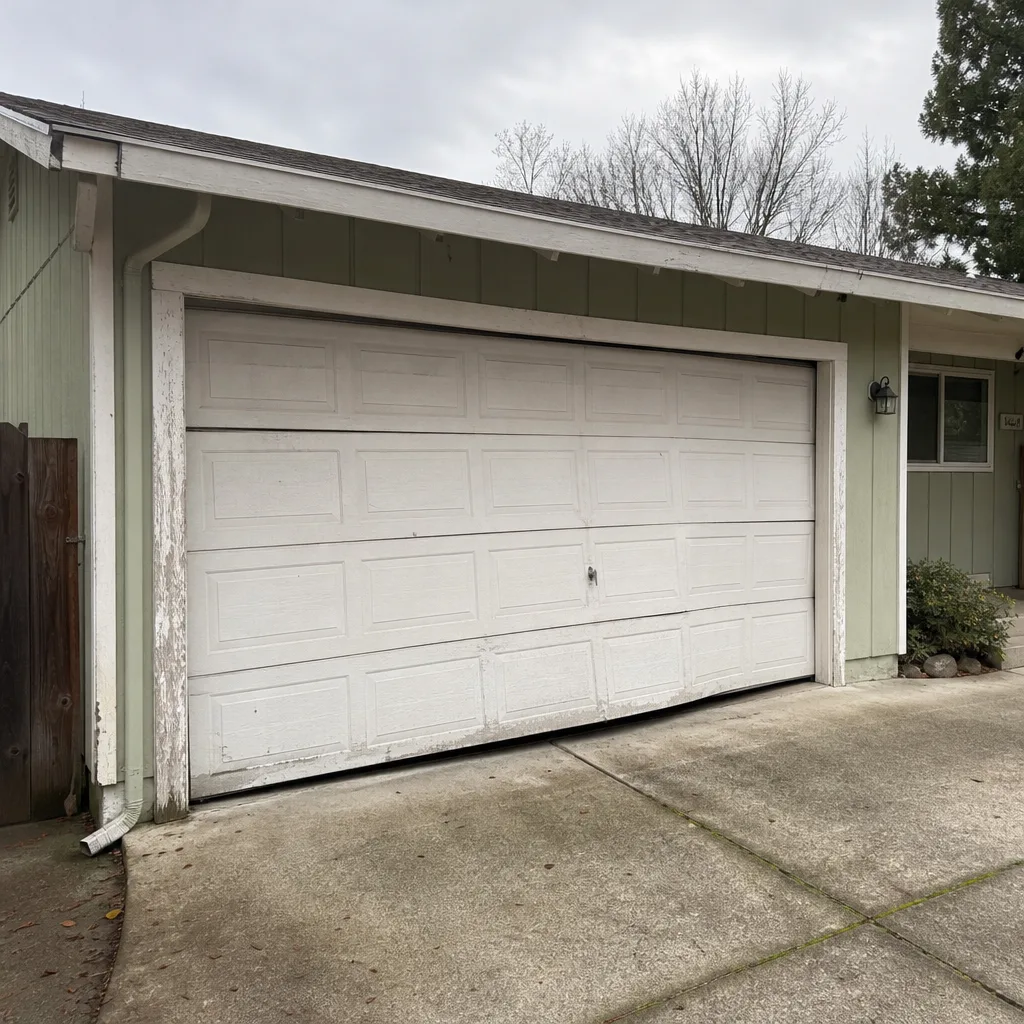
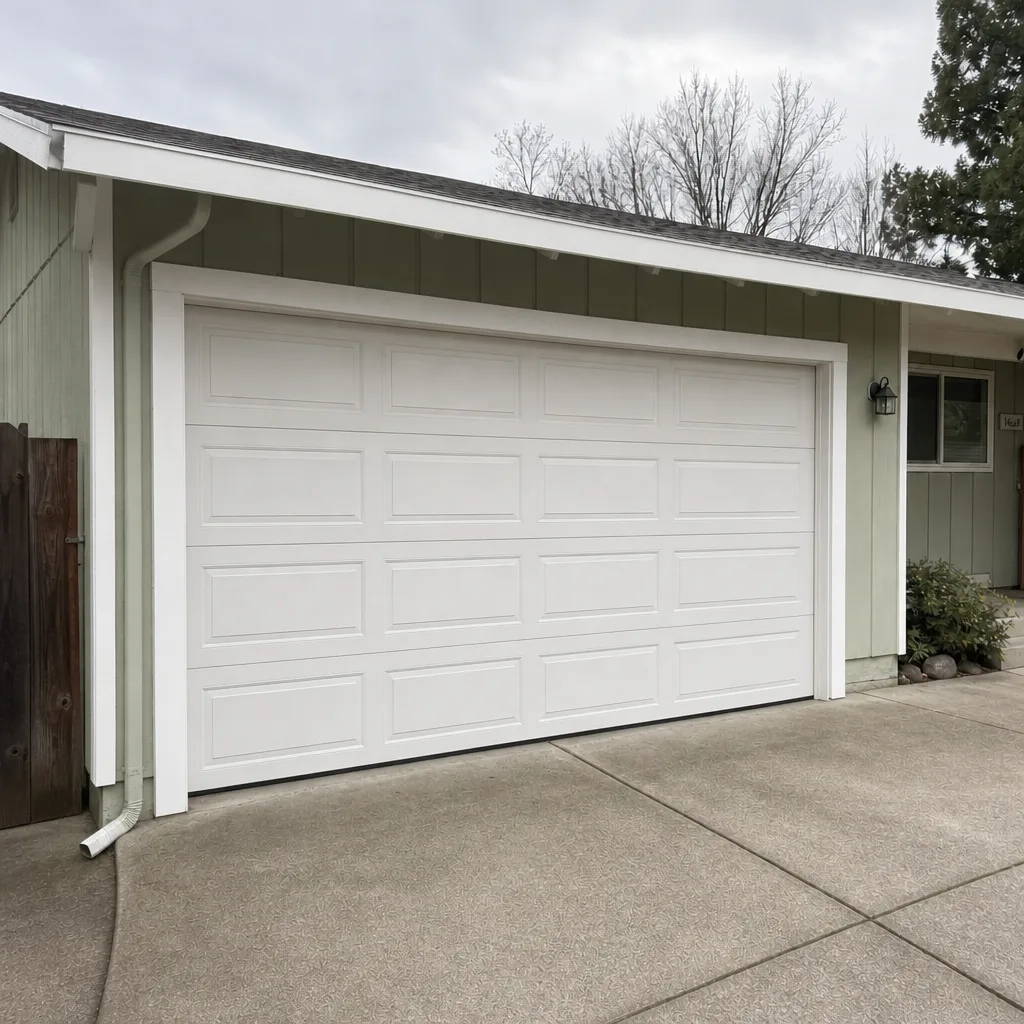
See the difference
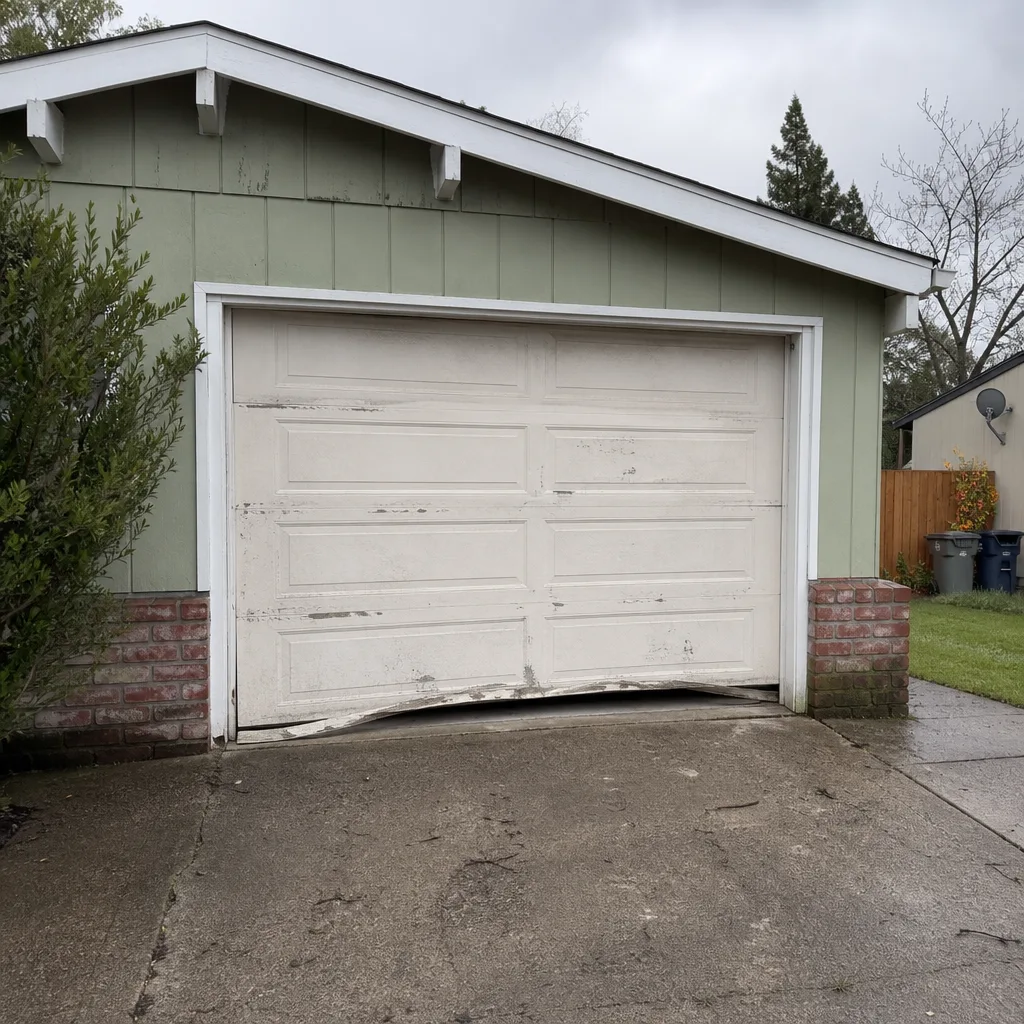 Before
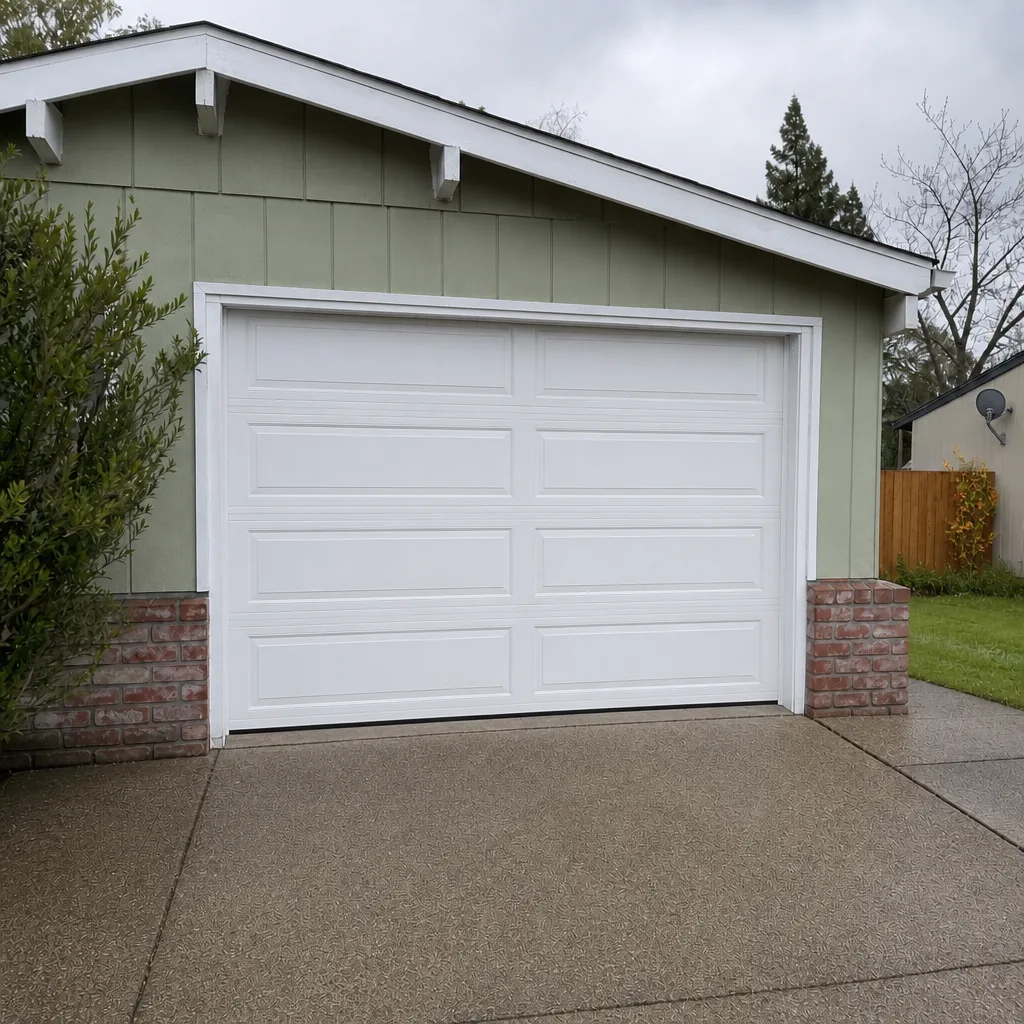 After
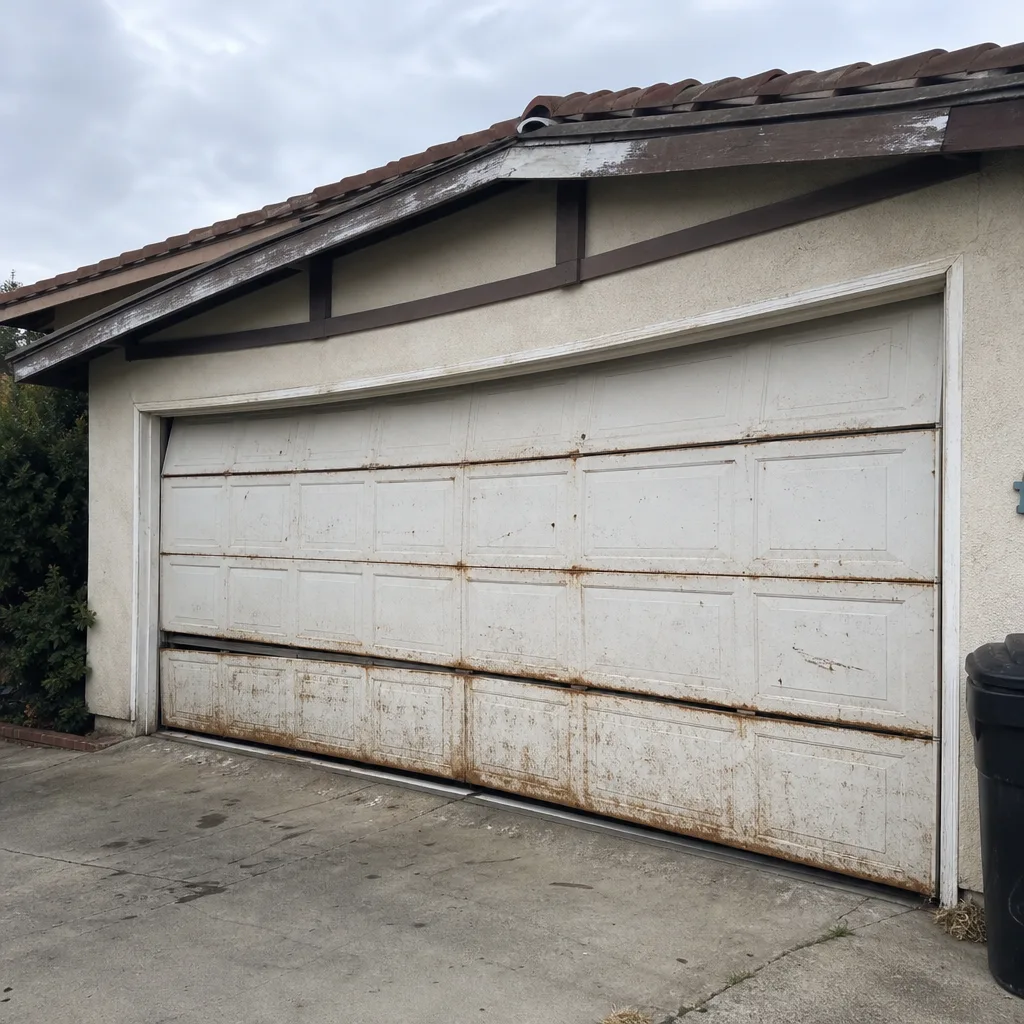 Before
 After
 Before
 After