
Last updated November 4, 2026
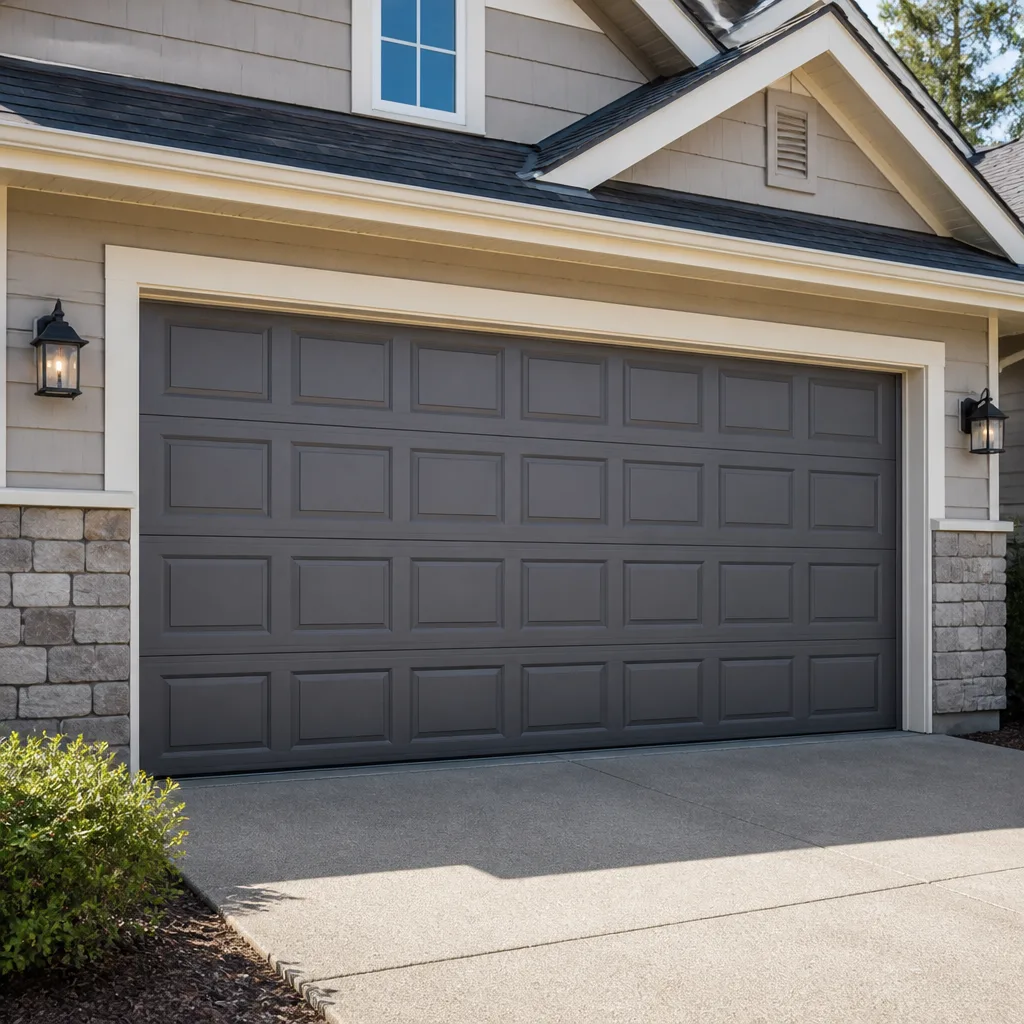 Raised-panel steel
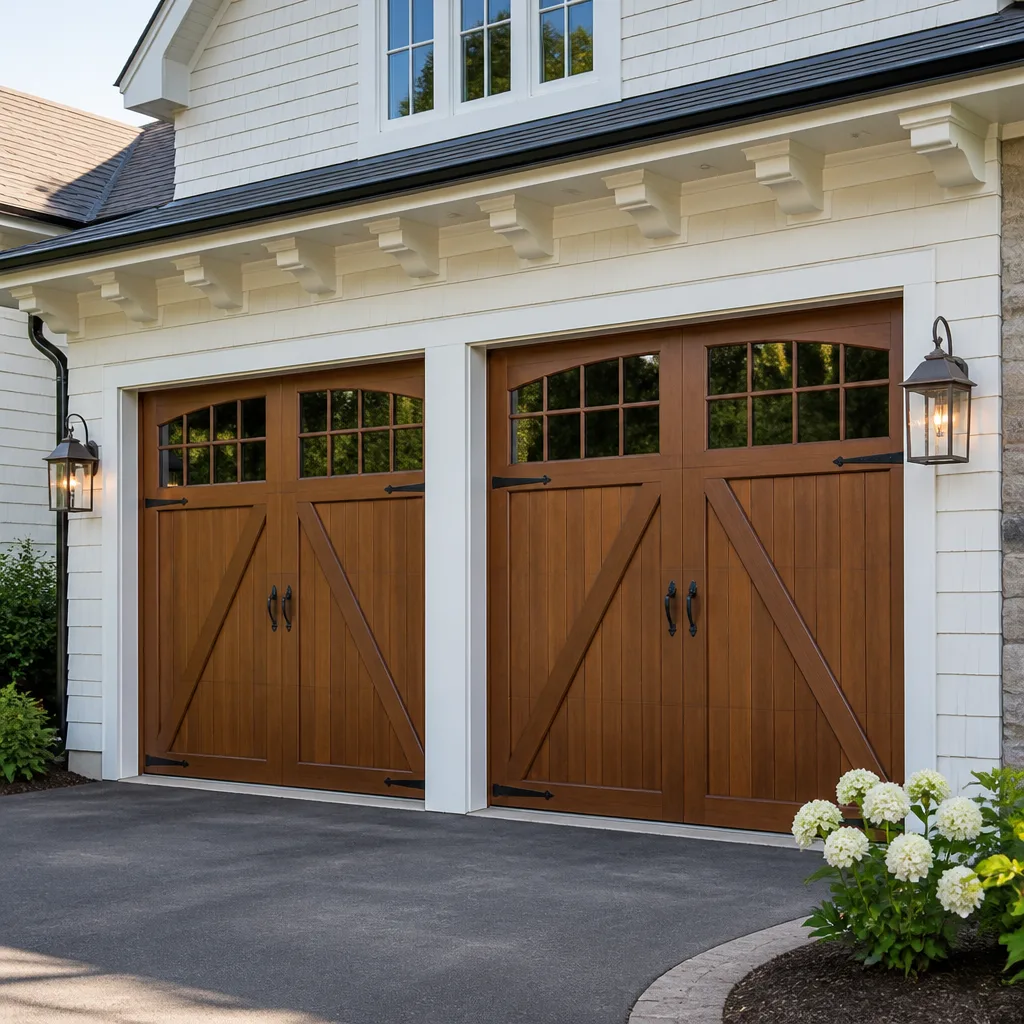 Carriage house
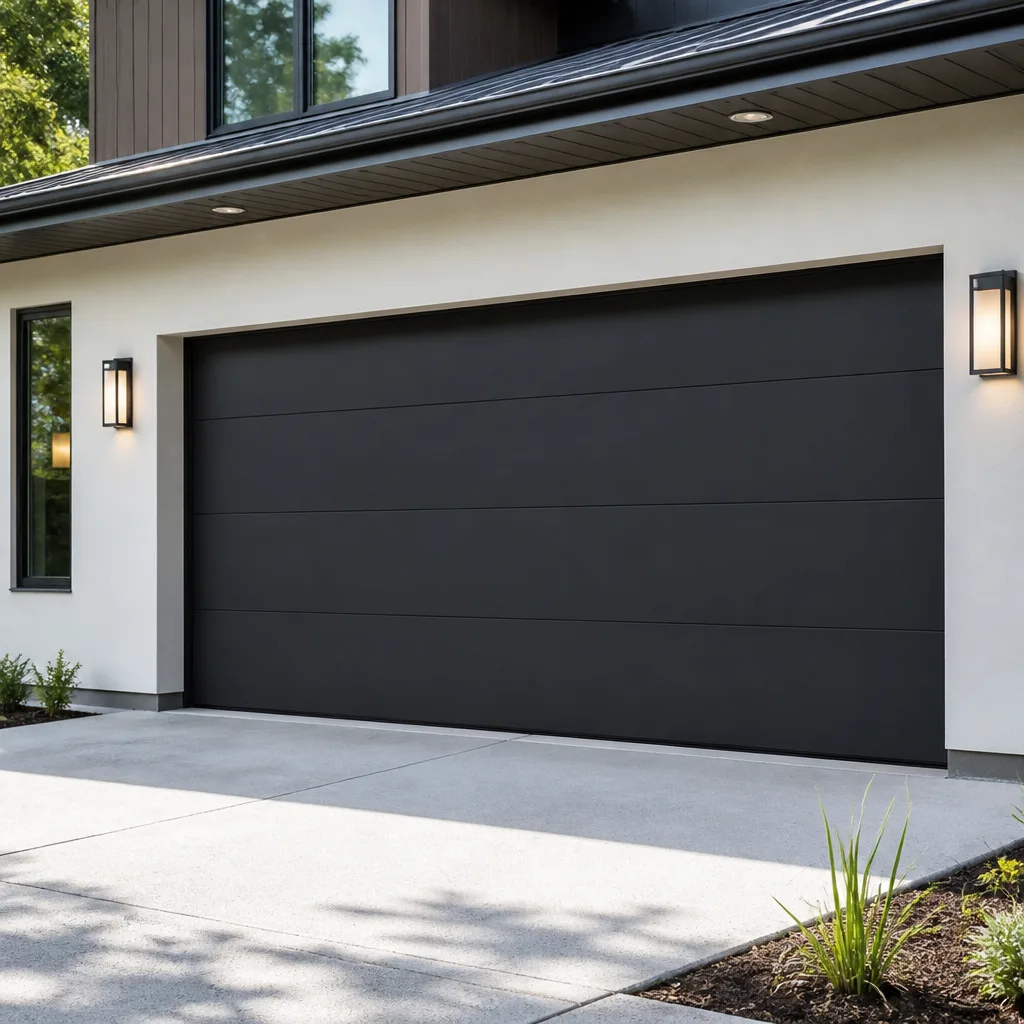 Modern flush
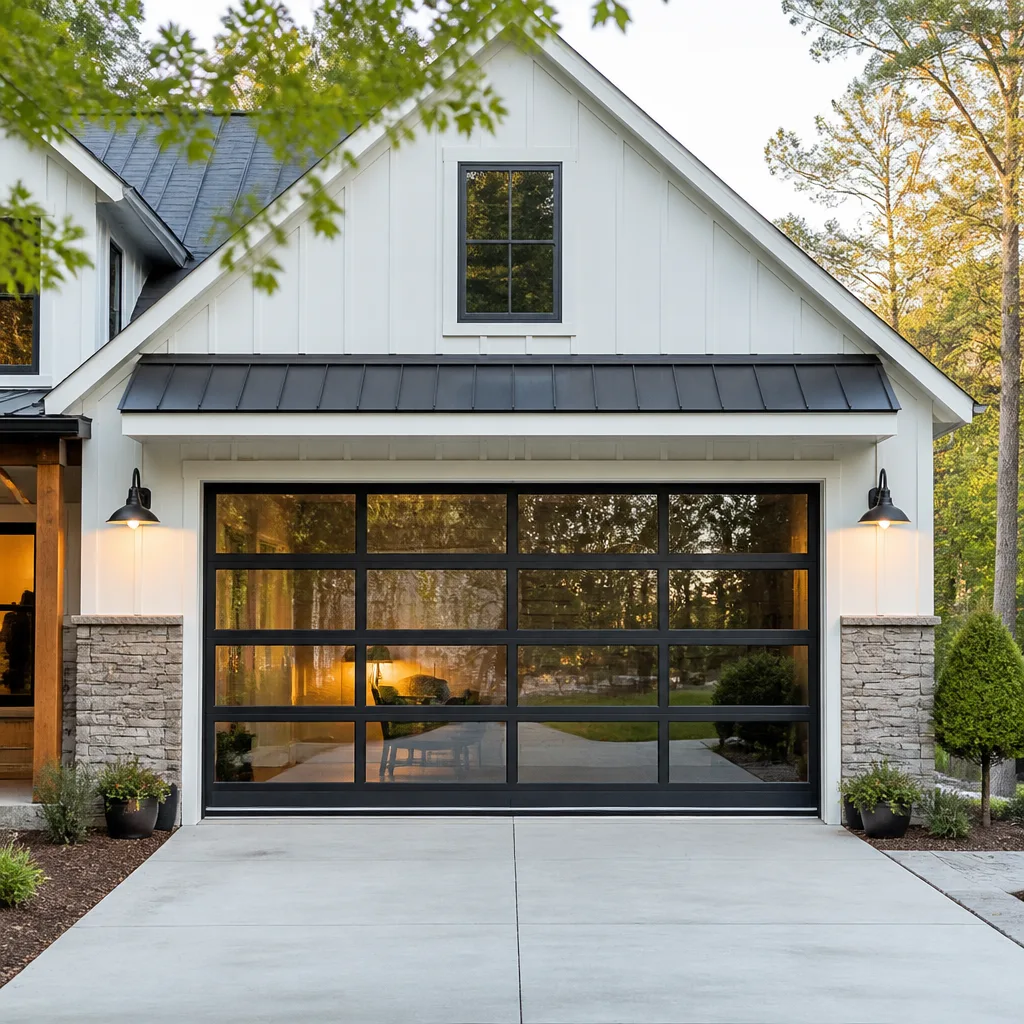 Full-view glass
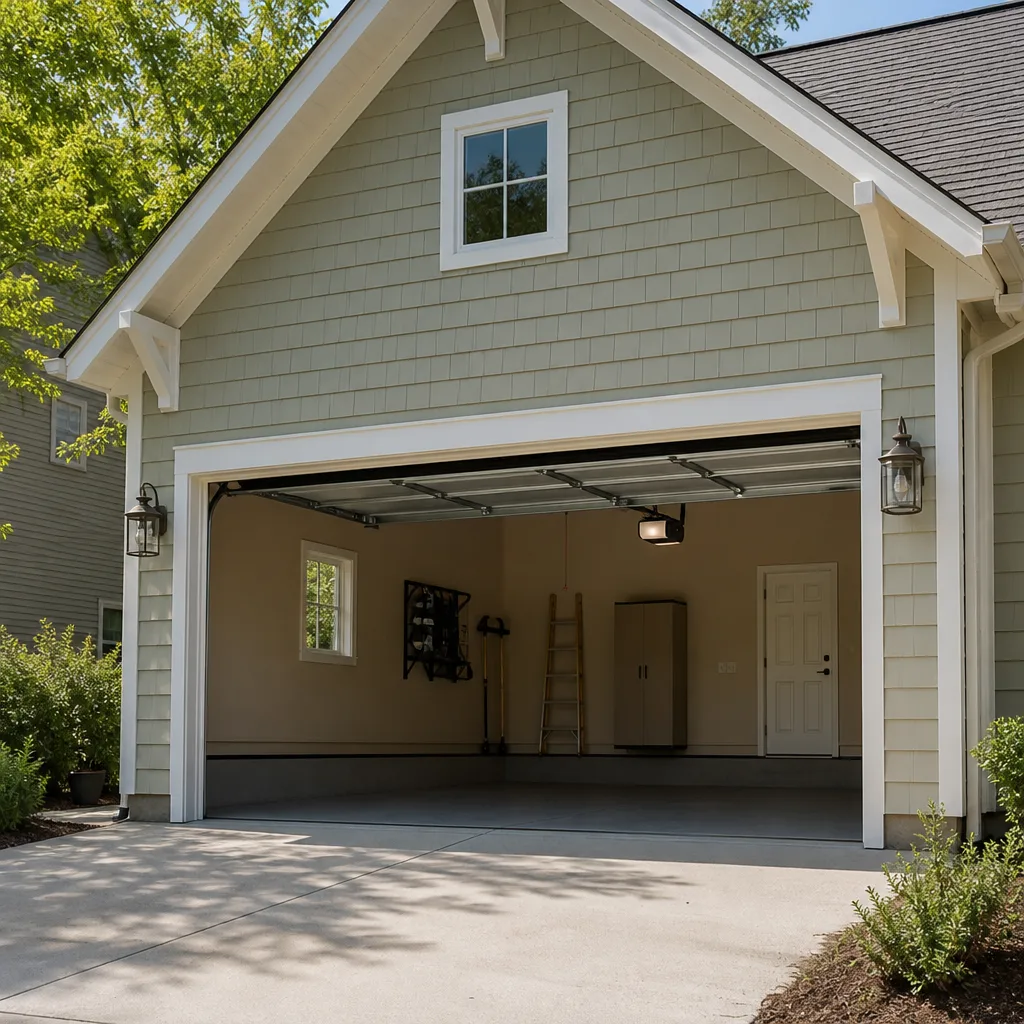 LiftMaster openers
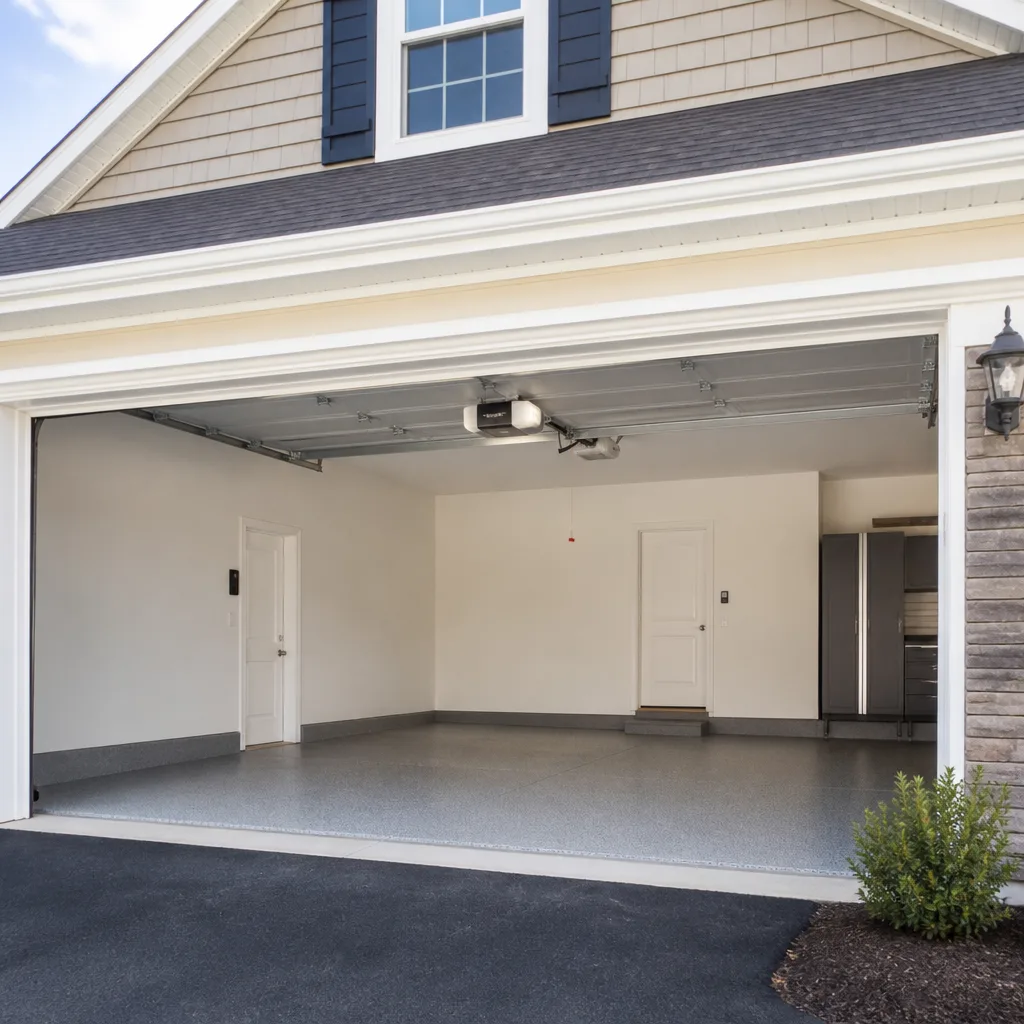 Chamberlain openers
Full 25-point door and opener safety check with every visit - springs, cables, rollers, tracks, and your LiftMaster or Chamberlain opener included
You get a price before we start. It does not change when the truck arrives.
Get your free estimateThe Complete Guide to Garage Doors in Evergreen
Most garage door guides are written for a mythical “average” American home, which means they get the details subtly wrong for places like Evergreen. A door that performs beautifully in coastal California can feel sticky, noisy, or warped within a few seasons in our inland microclimate. We spend our days looking at doors across Evergreen’s hillside lots and stucco subdivisions, and the patterns are consistent enough that we can explain exactly what works, what fails early, and where your money actually goes.
Styles & brands we work with
- Raised-panel steel
- Carriage house
- Modern flush
- Full-view glass
- LiftMaster openers
- Chamberlain openers
Quick Answer
A garage door in Evergreen needs to be chosen for temperature swings, hillside soil movement, and the architectural language of the neighborhood. Steel and wood composite doors with proper insulation and reinforced seals perform best here, while lightweight aluminum and uninsulated panels age quickly. Planning decisions around material, insulation, opener type, and maintenance usually matters more than the initial purchase price.
Table of Contents
- How Evergreen’s Climate Shapes Garage Doors
- Door Styles That Complement Evergreen Homes
- Insulation, R-Values, and Evergreen’s Heat Pockets
- Lifecycle Costs: Steel vs. Wood Composite vs. Aluminum
- Repair or Replace: A Decision Tree
- Choosing an Opener for Evergreen Conditions
- Maintenance That Prevents Early Failure
- Common Mistakes to Avoid
- When to Call a Professional
- Frequently Asked Questions
- The Bottom Line
How Evergreen’s Climate Shapes Garage Doors
Evergreen sits in a valley microclimate where summer days get hot and nights drop noticeably cool. That daily temperature swing is the single biggest factor in garage door wear here, and it works differently than most homeowners expect.
Steel doors expand when the afternoon sun hits them, then contract as evening temperatures fall. Over hundreds of these cycles, panels shift on their hinges, weather seals lose their ability to close gaps, and rollers develop flat spots. The result isn’t dramatic, but if you’ve noticed a door that worked fine in June developing a rub point by September, temperature movement is usually the culprit.
Wood composite doors handle thermal expansion better than pure steel in our experience, but they don’t like sustained heat. The resin binders in modern composites shed heat more evenly than natural wood, which reduces the cupping and splitting that older wood doors in Evergreen developed over years of direct sun.
Aluminum doors have a different problem. Evergreen doesn’t get coastal salt air, so corrosion isn’t the issue. The problem is that aluminum transfers heat fast, making the panels almost too hot to touch by late afternoon, and it dents more easily than most homeowners assume. We’ve seen aluminum doors with impressive warranties that look tired after a few seasons of kids’ bikes and basketballs in the driveway.
Hillside lots add another variable. Many Evergreen homes are built into slopes, which means the garage slab settles differently than flat-lot homes. A door that binds only in winter or only after heavy rain is often responding to soil movement beneath the slab rather than a mechanical failure in the door itself.
Door Styles That Complement Evergreen Homes
Evergreen subdivisions tend toward Mediterranean and contemporary stucco homes with tile or flat rooflines. The dominant garage door styles we see performing well are flush panels with minimal detailing, recessed square panels, and full-view glass sections framed in matte black or bronze aluminum. Carriage-house overlay doors can look right on individual homes but sit visibly awkward in stucco-heavy tracts.
HOA guidelines matter more in Evergreen than in older Bay Area cities. Many Evergreen communities restrict not just paint colors but door material framing, window placement, and even hardware finish. Before choosing a door, we recommend checking your HOA’s architectural guidelines. Some are specific enough to name accepted panel profiles or require a minimum number of glass sections facing the street.
If you’re replacing a door in a covenant-controlled community, we can work with you to identify the approved styles and match them as closely as possible. We install garage door repair solutions that account for both structural function and architectural compatibility.
For owners of Evergreen homes without active HOAs, the practical decision usually comes down to sun exposure. South-facing doors see the most relentless afternoon heat, and darker panels absorb it. A dark steel door can measure 20 to 30 degrees hotter than a light one at the same time of day, which accelerates seal failure and makes attached garages noticeably warmer.
Insulation, R-Values, and Evergreen’s Heat Pockets
A national guide will tell you that garage door insulation matters mostly in cold climates. That advice under-specs Evergreen. Our inland valley heat pockets are the real reason insulation matters here, because an uninsulated garage can hold heat well into the evening and radiate it against shared walls and above living spaces.
An insulated steel door carries an R-value that slows that heat transfer. Most builders in Evergreen installed uninsulated doors in original construction, and homeowners are often surprised at how much cooler an attached garage becomes after a swap to a polyurethane-insulated panel.
Shop insulation by function, not by sticker number. A door with an R-value in the mid-teens, achieved through polyurethane core injection, will outperform a polystyrene-insulated door with a higher printed number because the seamless injection fills the panel cavity and reduces air movement inside the door itself.
For garage door opener systems paired to insulated doors, we recommend sourcing brands like LiftMaster or Chamberlain, both widely supported in Evergreen. A properly matched opener with a solid door reduces strain on the motor and extends the life of the operator, particularly on doors that cycle multiple times a day in family households.
Lifecycle Costs: Steel vs. Wood Composite vs. Aluminum
Purchase price is the number everyone starts with, and it is the least useful number over a 15-year ownership window. Evergreen’s climate shifts the lifecycle math enough that cheap doors become expensive and expensive doors sometimes fail to earn their premium.
Steel doors remain the best overall value in Evergreen. A quality 24-gauge steel door with a polyurethane core and factory-applied finish will typically serve 15 to 20 years with basic maintenance. The caveat is panel dents. A steel panel hit hard enough will show it, and because the finish is bonded to the metal, touch-ups rarely look invisible.
Wood composite doors carry a higher initial price but develop character rather than damage in many cases. Their density also gives them better sound insulation, which owners of attached garages in Evergreen appreciate when the door opens at odd hours.
Aluminum doors have the lowest purchase price and the shortest functional lifespan in our climate. The material is fine, but the light construction used in budget aluminum doors means panel warping and track chatter show up sooner than with steel. For a garage that sees daily use, an aluminum door is rarely the best long-term choice in Evergreen.
The right comparison is total cost over 15 years, including purchase, installation, expected repair frequency, energy contribution, and replacement timeline. Here’s how that breaks down for typical installations:
- Steel, insulated: Low frequency of small repairs, longest lifespan, strongest value.
- Wood composite: Higher initial cost, moderate repairs, excellent sound and thermal performance.
- Aluminum, uninsulated: Lowest initial cost, highest odds of early replacement, poor thermal performance.
Repair or Replace: A Decision Tree
This is the question behind almost every service call we answer. Homeowners want a straight answer, but the honest choice depends on three factors: door age, failure pattern, and how the rest of the system is holding up. Use this decision tree before you spend money guessing.
- Is the door less than 8 years old? If yes, a failed component like a spring, cable, or roller is usually an isolated repair, and replacement is rarely justified. Ask about matching the repaired component to the door’s current wear level.
- Is the door between 8 and 15 years old? Look at the pattern. One broken spring is normal wear. Three separate issues in 12 months means you’re paying for a door that is telling you it’s tired.
- Is the door more than 15 years old? Replacement becomes the default unless the door is in unusually good shape. The opener has outlived its expected span, the seals are hardened, and new panels are more expensive than a complete door.
- Does the door face south or west? In Evergreen, sun-facing doors age faster because the seals and panels work harder. A 12-year-old south-facing door may be closer to 18 in wear terms.
- Are you planning to sell the home? A functioning, quiet, balanced door is a selling point in Evergreen. A noisy, slow door is a negotiating point against you.
The repair-versus-replace call isn’t a commission-padding exercise. We tell homeowners to repair when the door is structurally sound and the failure is isolated. We tell them to replace when the repair bill is chasing a door that has already given its useful life.
Choosing an Opener for Evergreen Conditions
An opener’s job is harder in Evergreen than in flat neighborhoods, because the motor is compensating for panel weight shifts, seal drag, and occasional binding from slab movement. Choosing the wrong opener means a shorter motor life and more service calls.
Belt-drive openers are the quietest option and the most popular choice in Evergreen bedrooms-over-garage conversions. We install LiftMaster and Chamberlain belt drives more than any other brands, mostly because their logic boards tolerate multiple remote and keypad connections without confusing adjacent units in townhome rows.
Chain-drive openers remain a budget-friendly option and make sense for detached garages where noise from the opener isn’t a factor. They cost less up front but need more small adjustments over time as the chain stretches and the sprocket wears.
For doors that see five or more cycles per day, a direct current motor with soft start and stop cycles is worth the premium. The smoother operation reduces wear on the door’s rollers and hinges, and it extends the life of the opener itself.
Openers with Wi-Fi and battery backup are increasingly standard in Evergreen, where garage access is often primary entry. We handle garage door opener repair on Genie, Raynor, LiftMaster, and Chamberlain systems, and we can usually bring an older opener current without a full replacement.
Maintenance That Prevents Early Failure
Garage doors are heavy machines that run on rollers, hinges, springs, and cables, and every moving part has a service interval. The owners who get the longest life out of their doors in Evergreen are the ones who do these checks on schedule.
- Lubricate rollers, hinges, and springs every 6 months. Use a garage door specific lubricant, not WD-40, which is a solvent and can strip the roller bearings.
- Inspect weather seals each fall. After summer heat, the bottom seal and side seals are often compressed or cracked. Replacing them is a low-cost way to keep the garage cooler and cleaner.
- Test the auto-reverse monthly. Place a block of wood on the ground under the door’s path. The door should reverse immediately on contact. If it doesn’t, call for opener service.
- Look at the balance twice a year. Pull the release handle and lift the door halfway. It should hold position steady. If it drifts up or down, the springs are wearing and should be replaced before they fail.
- Keep the photo-eye lenses clean. In Evergreen’s dry season, dust settles on the lenses and causes intermittent reversal behavior that gets mistaken for a control board failure.
One safety note we always include: high-tension torsion springs store enormous energy. We do not recommend adjusting, replacing, or lubricating the center bearing or winding cone yourself. A spring can release without warning, and the injury risk is not worth the saved service call.
Common Mistakes to Avoid
- Choosing a door by garage-face appearance only. The door has to perform, not just look good from the street. Confirm insulation, gauge, and wind rating before color and panel style.
- Replacing only one spring. A matched pair is designed to wear together. Replacing one spring on a door where the other is old means the second failure is weeks away, and you’ll pay for labor twice.
- Ignoring HOA guidance until after installation. In Evergreen, some associations require pre-approval for door replacement. Getting the door installed and then requesting retroactive approval puts you in a conflict that could have been avoided.
- Buying an opener based on horsepower alone. Horsepower is a rough proxy. What matters more in Evergreen is drive type and soft start and stop, because the motor is working against hilly terrain and heavier doors.
- Skipping the free estimate because “I’ll just get a few quotes.” We tell homeowners to compare written numbers, not verbal ones. A written estimate gives you a concrete price and forces the contractor to be specific about what’s included.
- Assuming a noisy door is normal. A garage door should not rattle, bang, or grind. Noise is an early warning of a component that’s about to fail, and catching it early is always cheaper.
When to Call a Professional
Some garage door problems are safe to observe and report, and some are not. If you have a broken spring, a cable that has come off its drum, a door that hangs at an angle, or an opener that won’t engage but makes a humming sound, these are professional service calls. A door under spring tension and a cable under load can injure a homeowner in seconds.
If you’re in the gray zone of “works sometimes, makes noise, opens slowly,” a professional inspection is still the fastest way to answer the repair-or-replace question. Ashton Garage Door Repair offers free estimates in Evergreen, and we’ll tell you what the door needs and what it doesn’t. Call (833) 400-0995 to schedule a look.
Frequently Asked Questions
In our experience, a 24-gauge steel door with a polyurethane core and factory finish lasts longest in Evergreen, typically 15 to 20 years with routine maintenance. Wood composite doors also perform well, especially on west-facing walls, where their heat resistance avoids the panel warp we see in lower-grade steel.
A complete installed garage door in Evergreen varies widely based on material, insulation, size, and opener requirements, and the only way to know your actual cost is a written estimate. We set the price before work begins, so there are no surprises. Call (833) 400-0995 for a free measure and a written estimate.
Yes, because Evergreen’s inland heat pockets make an uninsulated garage a heat battery against the house. An insulated door slows heat transfer into the garage and helps keep shared walls and bedrooms above the garage more comfortable in summer.
At 15 years old, replacement usually makes more sense than repair unless the door is in unusually good shape. The opener has outlived its expected service span, the seals are hard, and a major component failure is likely within the replacement door’s lifetime.
We work on doors and openers from LiftMaster, Chamberlain, Genie, Clopay, Amarr, Wayne Dalton, Craftsman, and Raynor, which covers nearly every system installed in North America. Your door, your brand, our specialty.
Yes. Our estimates in Evergreen are free, and the price you sign is the price we work to, with no surprise charges added later. Call (833) 400-0995. We answer 24/7. Fast dispatch from 7am to 7pm, Sunday through Friday.
The Bottom Line
A garage door in Evergreen is a mechanical system that lives in a specific climate, on specific soil, against a specific architectural backdrop, and the smartest purchase decisions account for all three. Steel and wood composite doors with real insulation, paired to belt-drive openers matched to the door’s weight, will provide the longest and quietest service in our valley heat pockets and hillside lots.
Take the time to learn the variables before you buy, inspect your door twice a year, and call a specialist when the diagnosis matters. A good door is quiet, balanced, and boring, and that’s exactly what you want.
Written by the team at Ashton Garage Door Repair, serving Evergreen since 2013.
See the difference
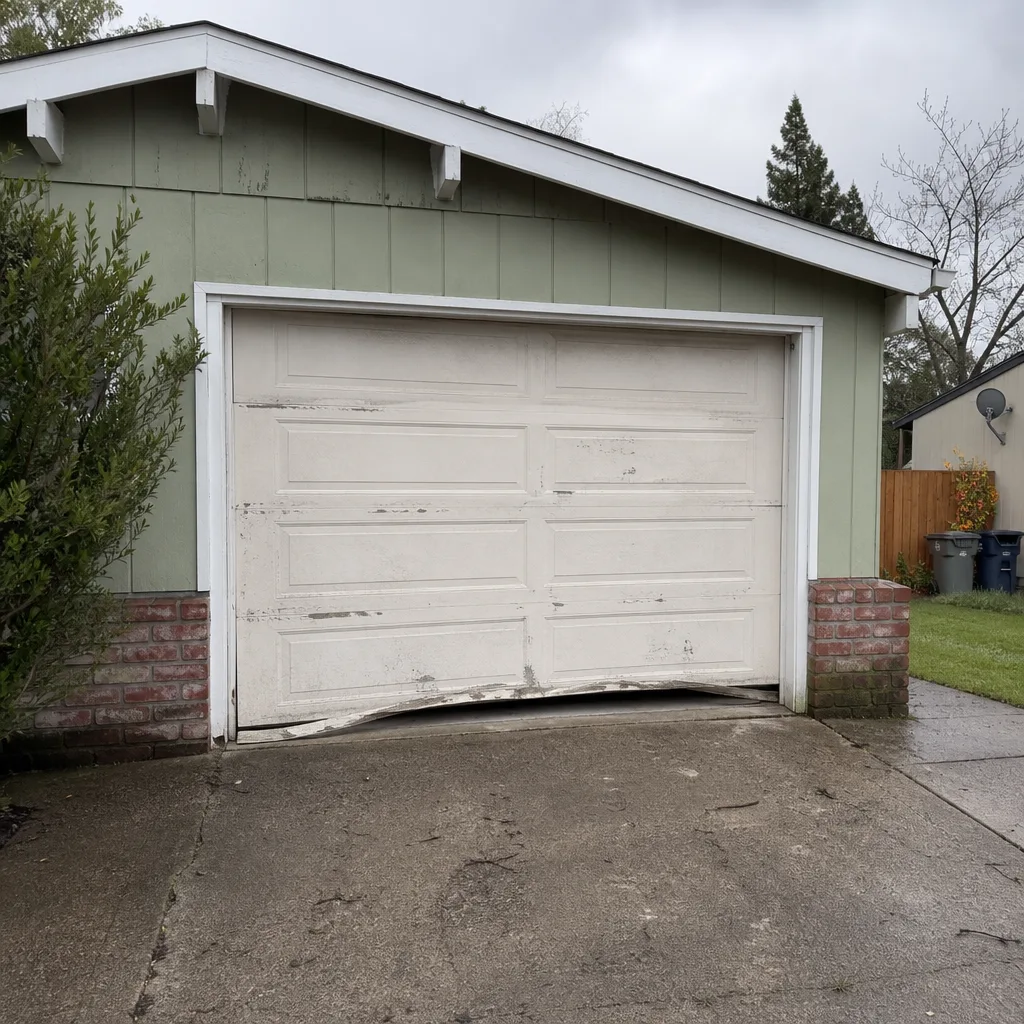 Before
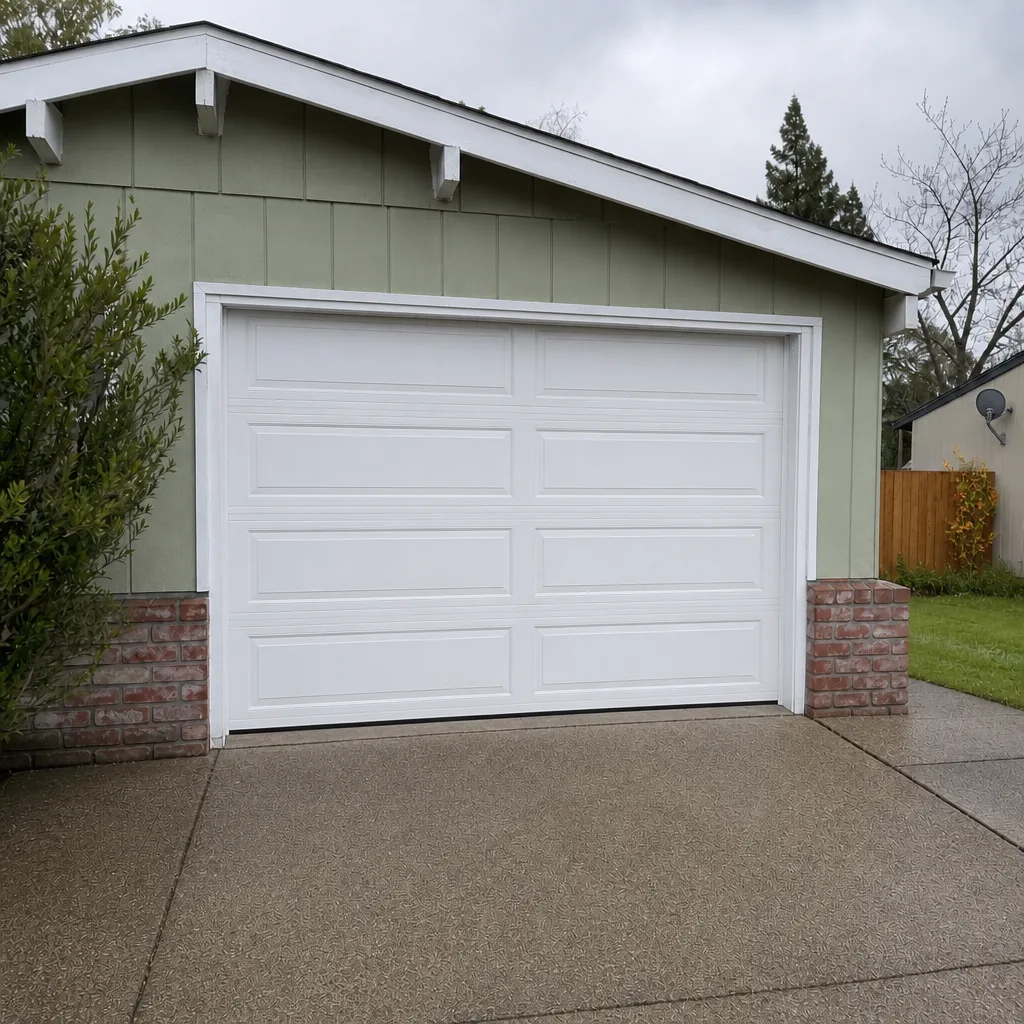 After
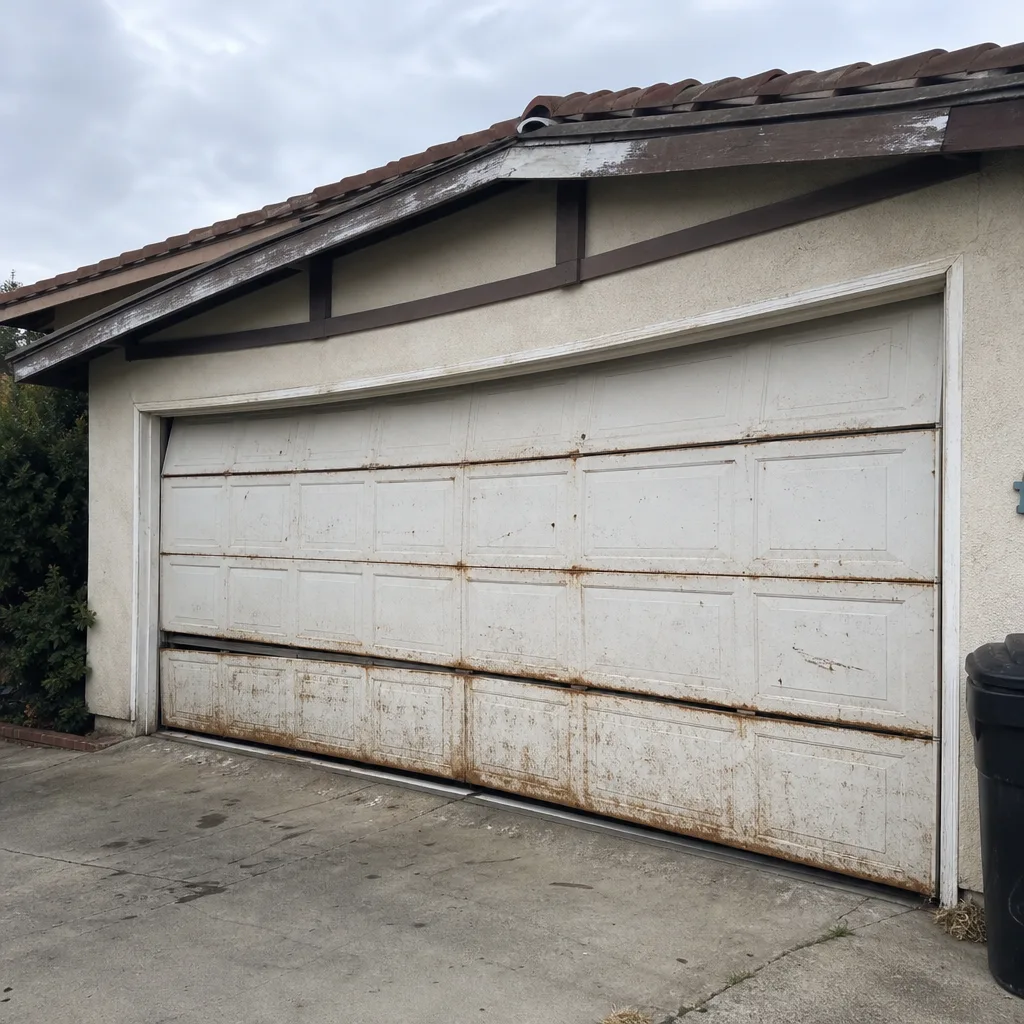 Before
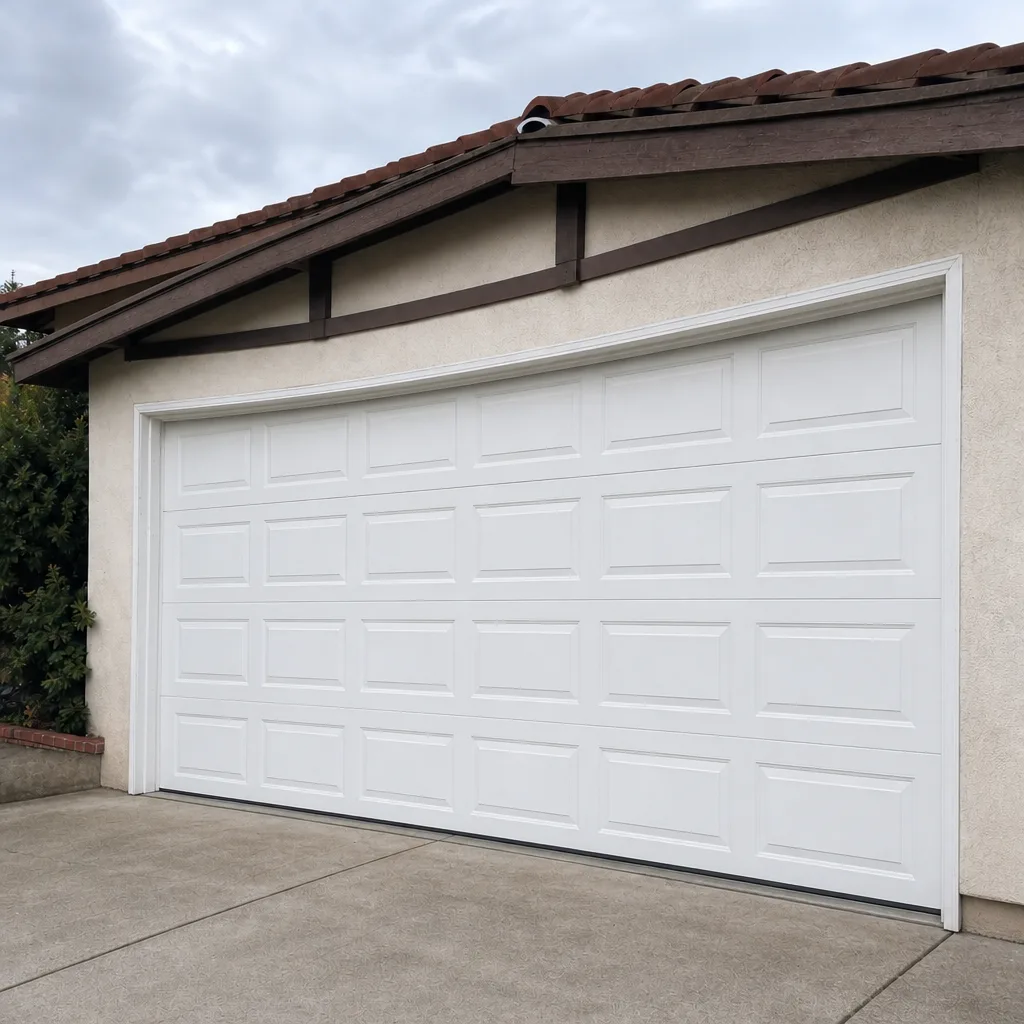 After
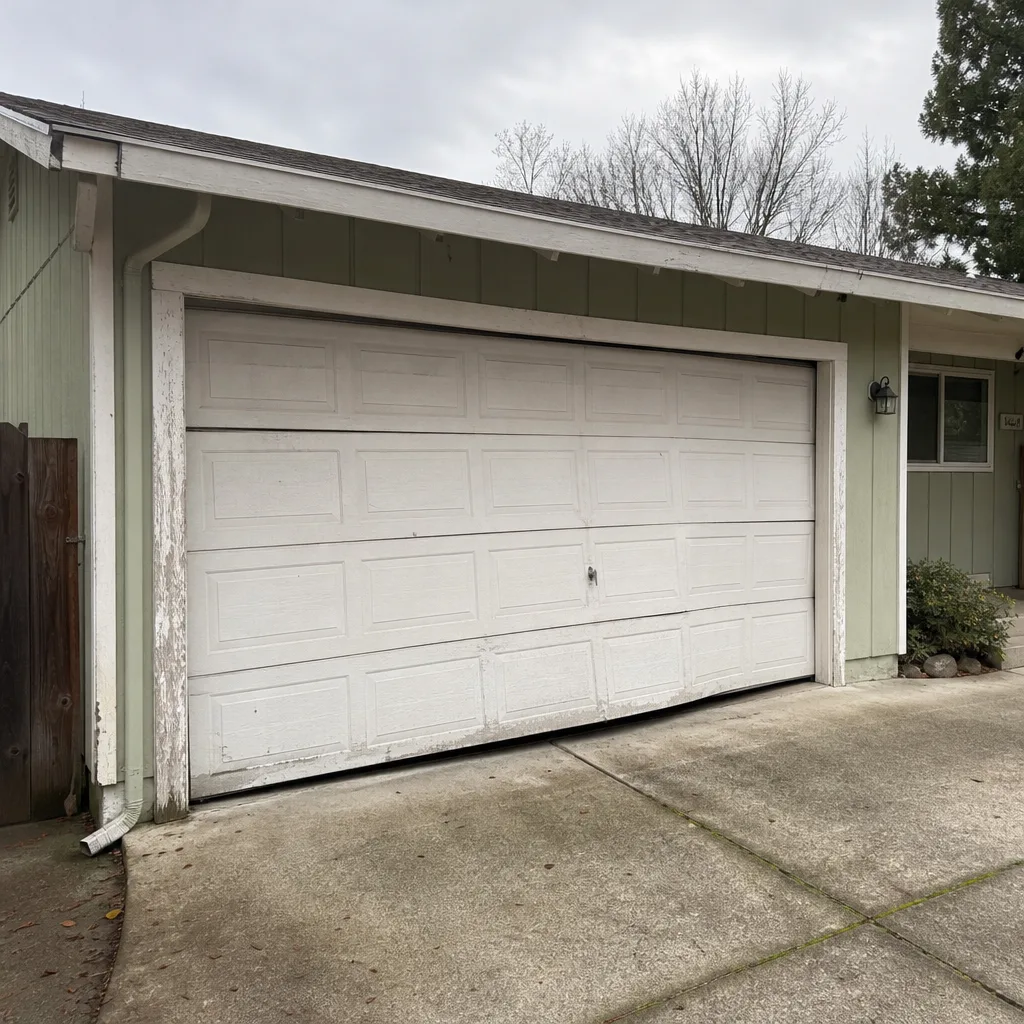 Before
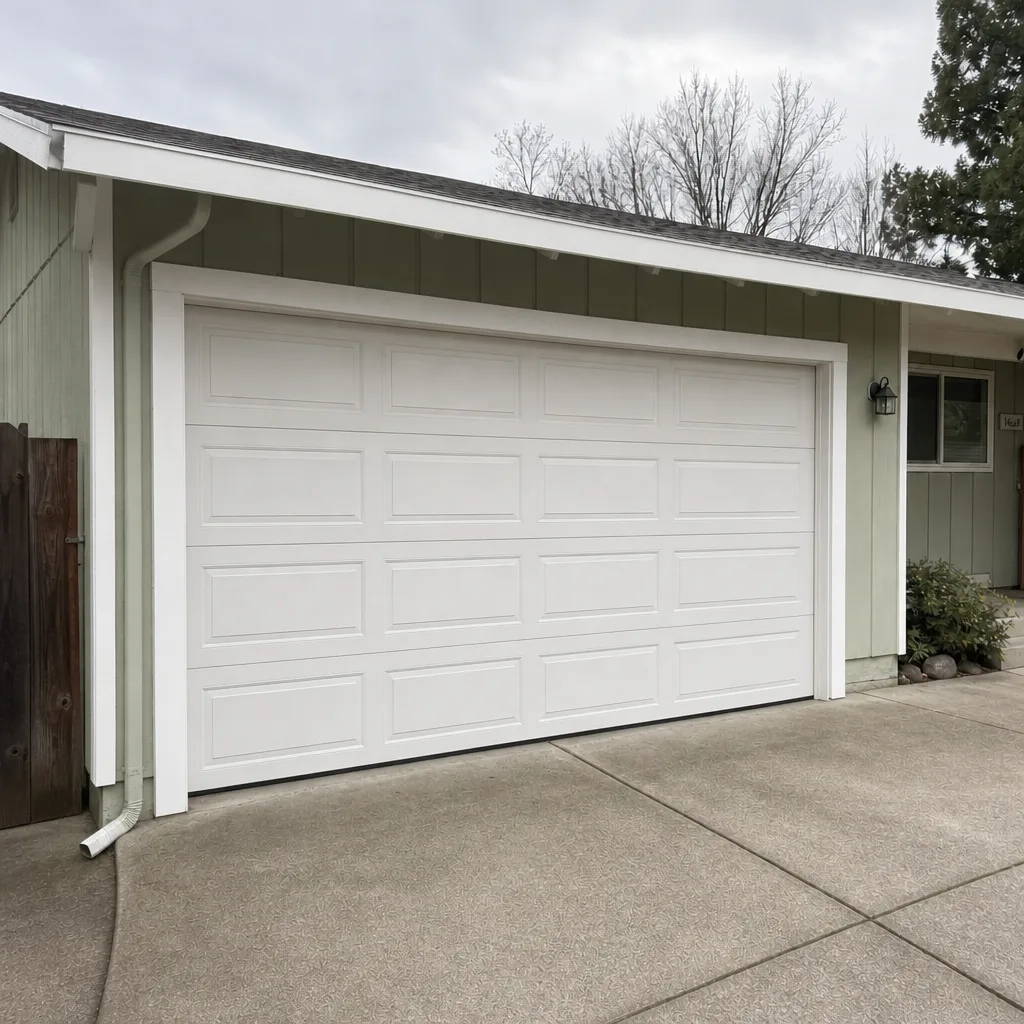 After